Rugs by Room
Kitchen Runners
Measure the counter, not the room. A kitchen runner has one strip to cover and it is not the middle of the floor.
Heads up: we earn a commission when you buy through links on this page, at no extra cost to you. It never changes which rug we put first — see how we choose and our affiliate disclosure.
Quick picks
The whole answer, before the detail. Tap any row to jump to that rug's full write-up further down the page.
| # | Rug | Best for | Construction | Price |
|---|---|---|---|---|
| 1 | Sweet Home Stores Kitchen RunnerPurpose-built for the job: non-slip backing for a wet floor, a busy pattern that hides the splash zone, and a price that makes replacing it every few years painless. Grease will still end it eventually. | In front of the sink | Low-pile polypropylene, non-slip rubber back | |
| 2 | 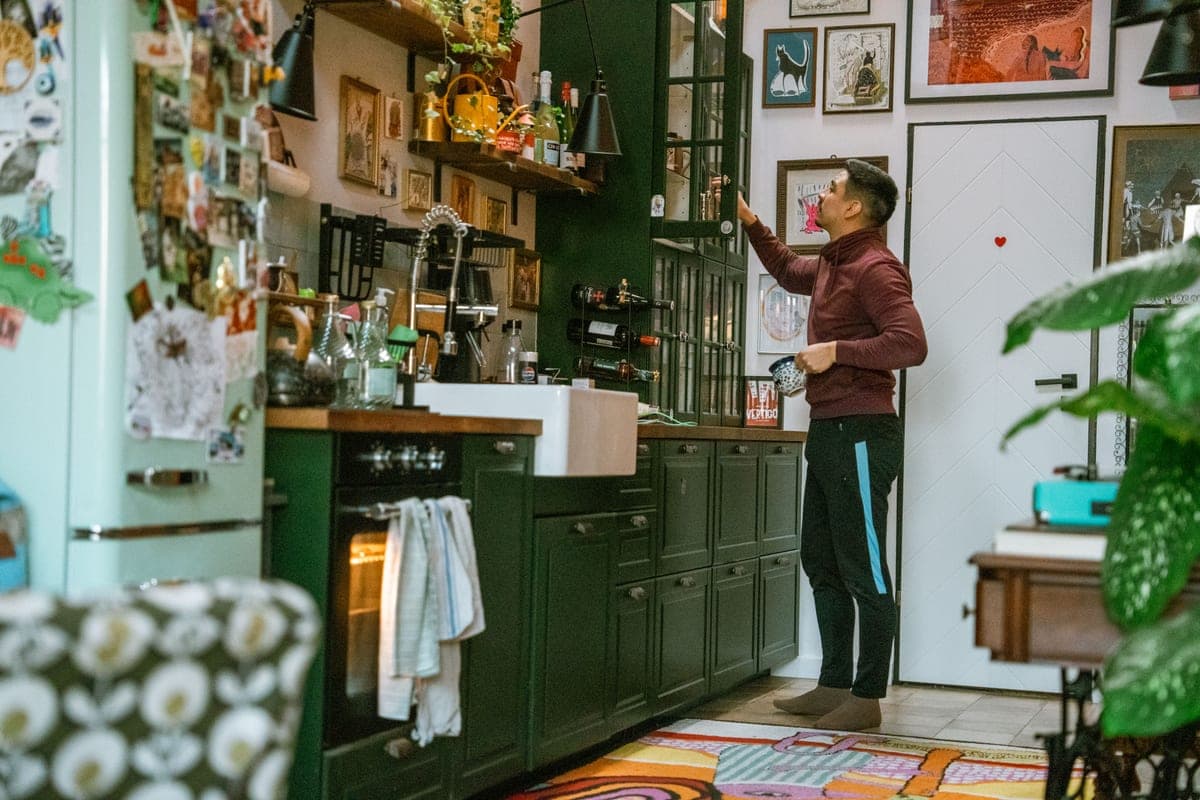 Mohawk Home Anti-Fatigue Kitchen MatFor the standing spot rather than the walking strip. An hour at a chopping board is a cushioning problem, not a textile problem, and this wipes clean instantly. | At the prep counter | Foam core with a printed wipe-clean surface | |
| 3 | 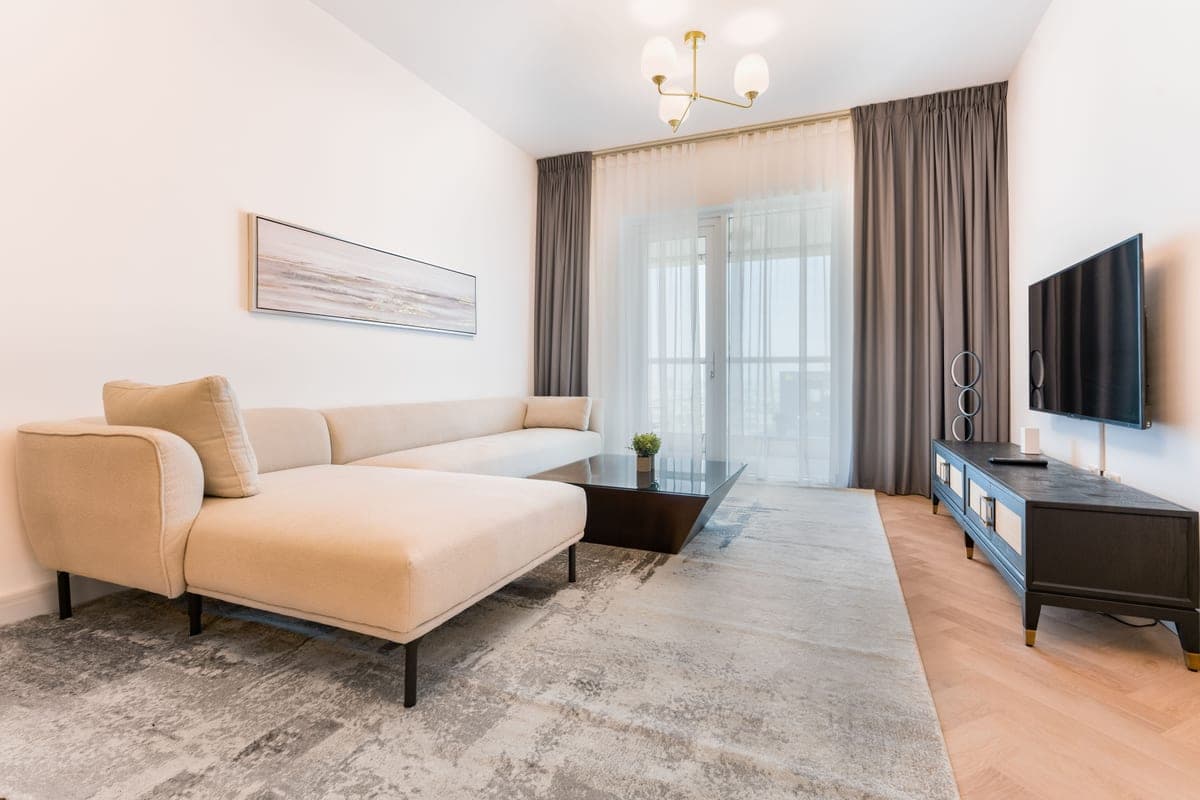 nuLOOM Washable Area RugIf you want something genuinely machine washable rather than merely wipeable, a low-pile one-piece runner is the right format — and any runner fits any washer. | Machine washable | One-piece low-pile polyester, machine washable | |
| 4 | 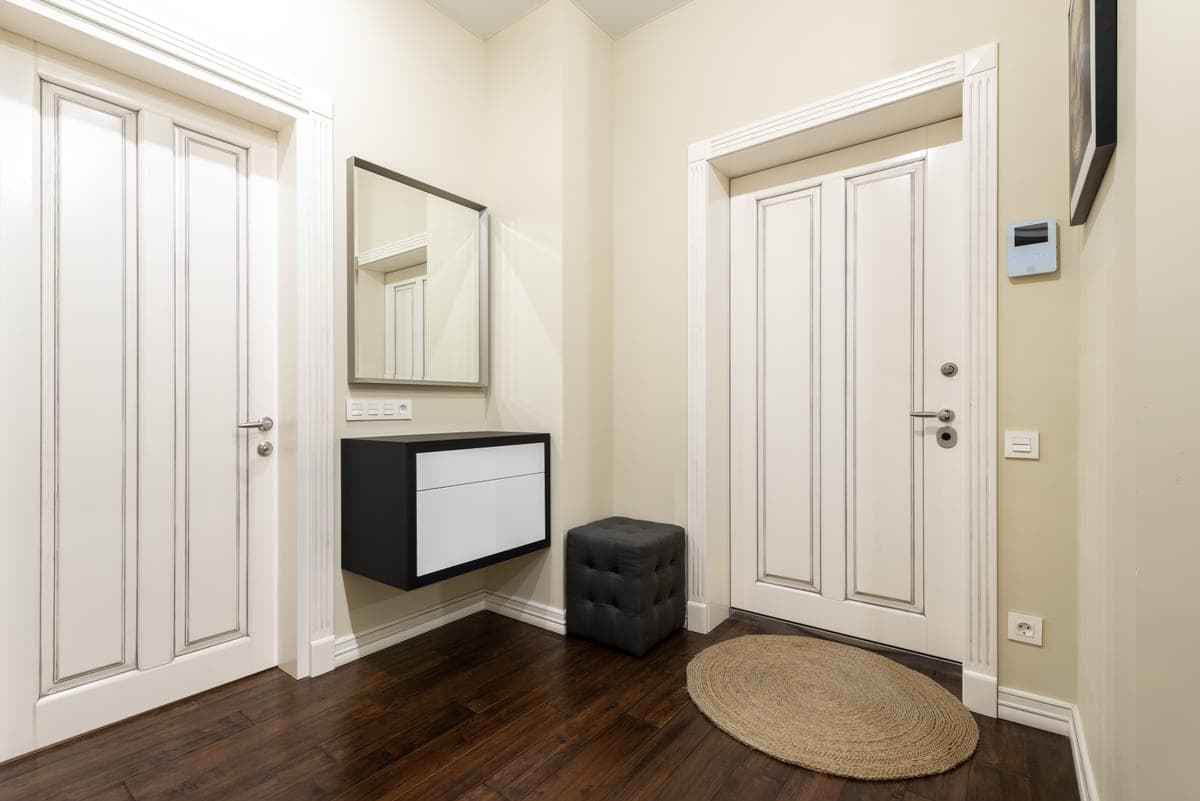 Ottomanson Flatweave RunnerFor a kitchen that opens onto a hallway, a bonded-back flatweave carries through both without the runner creeping where the traffic is directional. | Kitchen-to-hallway runs | Flatwoven polypropylene, bonded rubber backing |
The short answer
Size a kitchen runner to the working counter, not to the room — it should cover the strip you stand and walk on between the sink, stove and fridge. Non-slip backing is a safety requirement on a floor that gets wet, and a busy mid-tone pattern is a functional choice rather than a stylistic one.
Measure the work triangle, not the floor
The useful length is the run between the appliances you move between — typically sink to stove, or the length of a galley. That is usually shorter than the room and always shorter than people assume. A runner that covers the working strip and stops is more useful and looks more deliberate than one that runs the full length of the kitchen through spaces nobody stands in.
| Kitchen type | Runner placement | Typical size |
|---|---|---|
| Galley | Down the center between both runs | 2 ft x 6 to 8 ft |
| L-shaped | Along the longer working run | 2 ft x 5 to 7 ft |
| Island kitchen | Between island and main counter | 2 ft x 6 to 10 ft |
| Single-wall | In front of the counter | 2 ft x 5 to 6 ft |
| Sink zone only | In front of the sink | 2 ft x 3 to 4 ft, or a mat |
Sweet Home Stores Kitchen Runner
In front of the sink
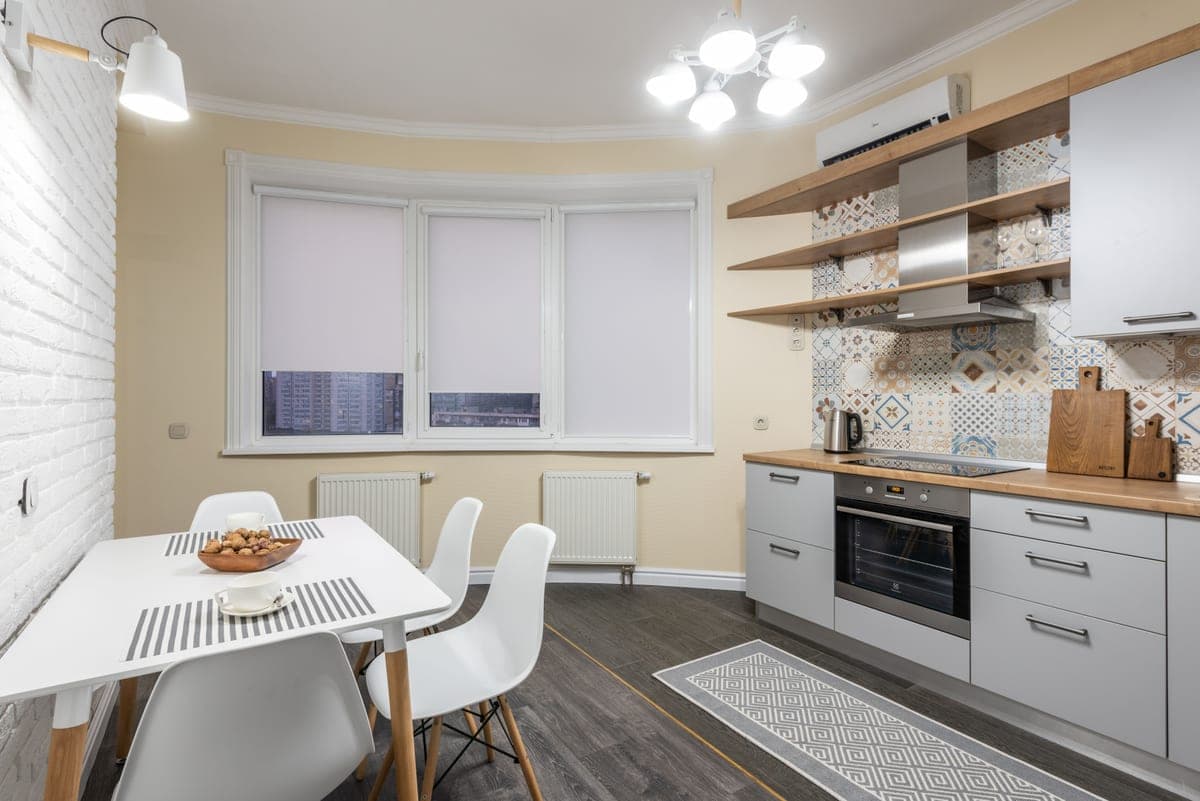
Illustrative photo of this rug type — not manufacturer imagery. Current product photos are on the Amazon listing.
Purpose-built for the job: non-slip backing for a wet floor, a busy pattern that hides the splash zone, and a price that makes replacing it every few years painless. Grease will still end it eventually.
What it is
- Non-slip rubber backing rated for hard kitchen floors
- Patterned surface chosen to hide kitchen traffic
- Standard kitchen runner widths and lengths
What it does well
- Busy patterns are genuinely effective at hiding the splash zone around a sink
- Cheap enough to treat as a consumable, which a kitchen rug basically is
- Wipes clean for everyday spills without needing a full wash
Don't buy it if
- Not machine washable the way a dedicated washable rug is
- Grease eventually defeats it — plan on replacing rather than restoring
- Rubber backing, so the same LVP caution applies
A consumable, and the right way to think about any rug that lives in front of a sink.
Mohawk Home Anti-Fatigue Kitchen Mat
At the prep counter
Illustrative photo of this rug type — not manufacturer imagery. Current product photos are on the Amazon listing.
For the standing spot rather than the walking strip. An hour at a chopping board is a cushioning problem, not a textile problem, and this wipes clean instantly.
What it is
- Cushioned foam core rather than a textile pile
- Wipe-clean printed surface
- Beveled edges
What it does well
- The cushioning is the point, and it makes a real difference across an hour of cooking
- Wipes clean instantly, which no textile kitchen rug does
- The beveled edge means it does not catch a foot
Don't buy it if
- It is a mat, not a rug — it does no decorative work in the room
- Foam compresses permanently over a couple of years
- Printed surfaces scuff where a chair or a dog's claws cross them
The correct product for the spot where you stand, as opposed to the spot you walk across.
nuLOOM Washable Area Rug
Machine washable
Illustrative photo of this rug type — not manufacturer imagery. Current product photos are on the Amazon listing.
If you want something genuinely machine washable rather than merely wipeable, a low-pile one-piece runner is the right format — and any runner fits any washer.
What it is
- One-piece construction, no separate pad included
- Low pile sized to fit a domestic washer
- Wide size range including runners and rounds
What it does well
- The cheapest honest route into a washable rug
- One piece, so there is no cover to shift out of alignment
- Sizes go down to accent and runner dimensions the two-piece systems often skip
Don't buy it if
- No pad included, and it genuinely needs one — it will slide on a hard floor without
- Thin, with very little cushioning
- Color range is more limited than the premium brands
The value pick: it does the one job the category exists for and does not pretend to do anything else.
Ottomanson Flatweave Runner
Kitchen-to-hallway runs
Illustrative photo of this rug type — not manufacturer imagery. Current product photos are on the Amazon listing.
For a kitchen that opens onto a hallway, a bonded-back flatweave carries through both without the runner creeping where the traffic is directional.
What it is
- Rubber backing bonded to the rug — no separate pad needed
- Cut-to-length runners in many lengths
- Very low profile, under a quarter inch
What it does well
- The backing means it stays put on tile and laminate without a pad
- Low enough that an interior door still clears it
- Available in awkward lengths standard sizing does not cover
Don't buy it if
- Rubber backings can discolor vinyl plank flooring over time — check the fiber before laying it on LVP
- Firm and thin; comfort is not part of the proposition
- The backing eventually hardens and cracks after several years
The most practical hallway runner in the set, with one real caveat about which floor you put it on.
Non-slip is not negotiable here
A kitchen floor gets wet, and a rug that slides on wet tile while you are carrying a pan is a real injury risk. Either a bonded rubber backing or a dedicated non-slip pad. If the floor is vinyl plank, check the backing compound — some rubbers stain LVP permanently, and rug pad for vinyl plank covers which are safe.
Pattern as a functional spec
In front of a sink, a mid-tone busy pattern hides water spots, coffee splashes and daily traffic gray. A plain light runner shows all three within weeks. Given identical construction, the busier runner stays acceptable roughly twice as long — which in a product you plan to replace is the whole value.
Expect to replace it
Cooking grease is an aerosol: it settles on everything, attracts soil, and does not wash out of a textile. That is the limiting factor on kitchen rug life, not wear, and it is why buying an expensive kitchen runner is usually a mistake. Two to four years is a realistic life in a kitchen that gets used. Kitchen rugs covers the wider picture.
Questions people actually ask
What size runner for a kitchen?
Size it to the working counter run rather than the room — typically 2 feet wide and 5 to 8 feet long depending on the layout.
Do kitchen runners need a non-slip backing?
Yes. Kitchen floors get wet and a sliding rug is a genuine hazard, not just an annoyance.
Should a kitchen runner be washable?
It helps a lot for everyday spills. Grease will not wash out regardless, so plan on replacement as well.
Can I put a runner in front of the stove?
Yes, and a cushioned mat is often better there. Keep any textile clear of an open flame or a floor-level oven vent.
How long does a kitchen runner last?
Two to four years with real use. Grease accumulation ends them before wear does.
Read next
- The Best Rugs for a KitchenKitchen rugs that handle water, grease and grit — and why the right answer is usually a runner plus a mat.
- Washable Rugs for the KitchenThe washable picks that survive a kitchen, why a runner beats an area rug, and what belongs in front of the stove.
- Runner RugsRunners for hallways, kitchens, bedsides and stairs — widths, clearance rules and which backing suits which floor.
- Non-Slip Rug PadsWhy rugs slide, which pad constructions genuinely hold, and the thin options for tight door clearances.
- Rug Pad for Vinyl Plank FlooringWhy some backings permanently discolor LVP, which pads are safe, and how to check before laying a rug.
- Rugs by RoomLiving room, bedroom, kitchen, bathroom, entryway, stairs and runners — the fiber, size and pile each room actually needs.