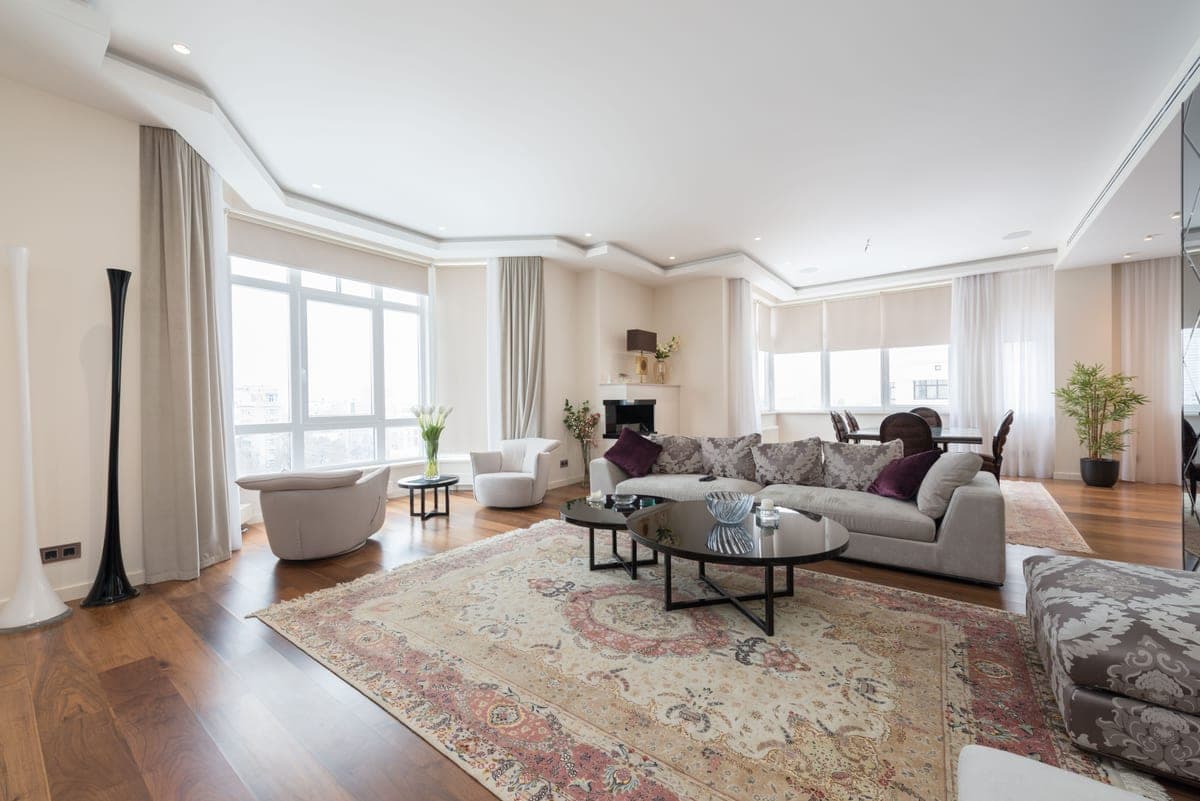
Best for Living Rooms
The Best Rugs for a Living Room
Living room rugs, starting with the sizing rule that decides everything, then the fibers that survive a traffic lane.
The right rug is a different rug in every room. Here is what each one actually needs, and why.
Heads up: we earn a commission when you buy through links on this page, at no extra cost to you. It never changes which rug we put first — see how we choose and our affiliate disclosure.
Start here
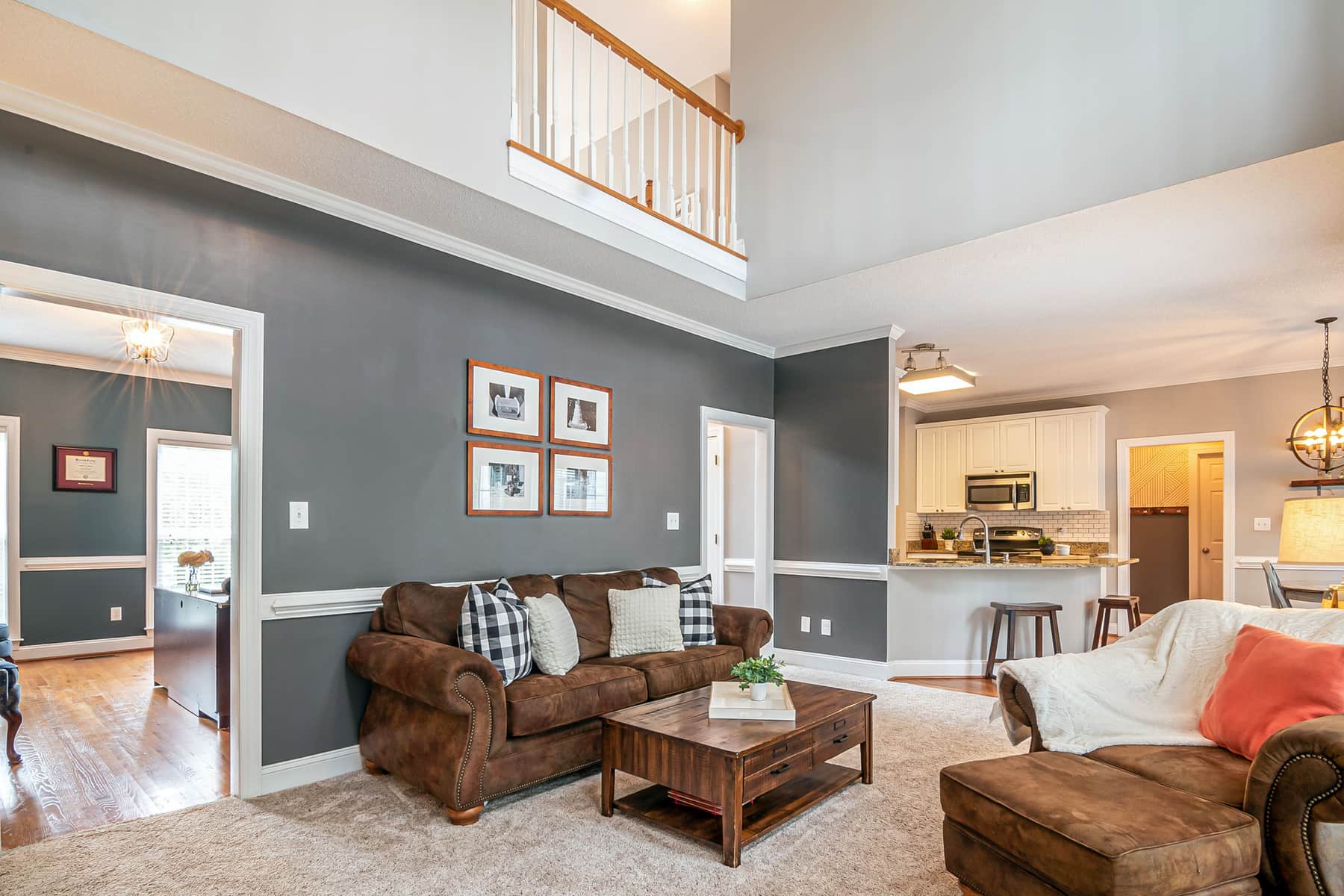
The hardest room problem is covering a large open-plan living space without spending four figures, and this is the line that actually stocks the big sizes. Arrives creased and takes a few weeks to flatten.
Illustrative photo of this rug type — not manufacturer imagery.
13 pages. Start wherever your question is.
Best for Living Rooms
Living room rugs, starting with the sizing rule that decides everything, then the fibers that survive a traffic lane.
Best for Bedrooms
Bedroom rugs sized off the bed, chosen for softness where feet land — and what not to put under a bed leg.
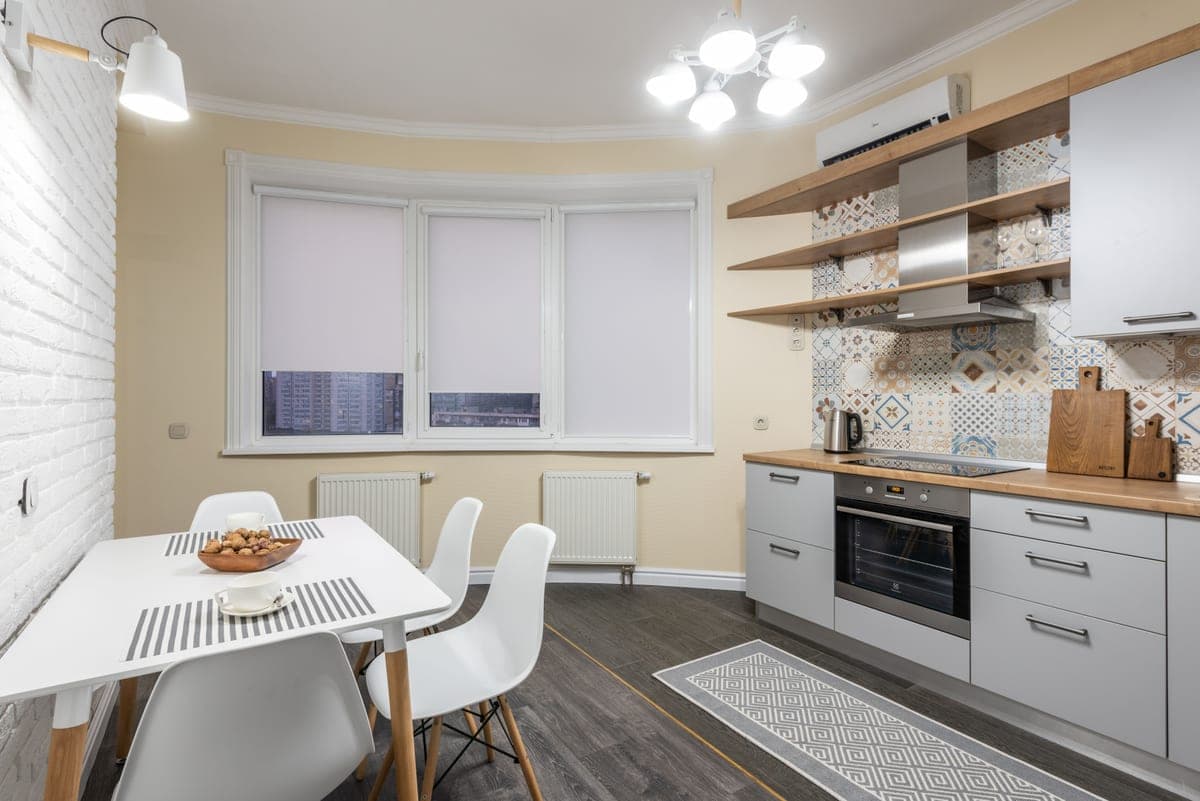
Best for Kitchens
Kitchen rugs that handle water, grease and grit — and why the right answer is usually a runner plus a mat.

Best Under a Dining Table
Dining rugs sized so chairs never catch, in the constructions that survive dropped food.
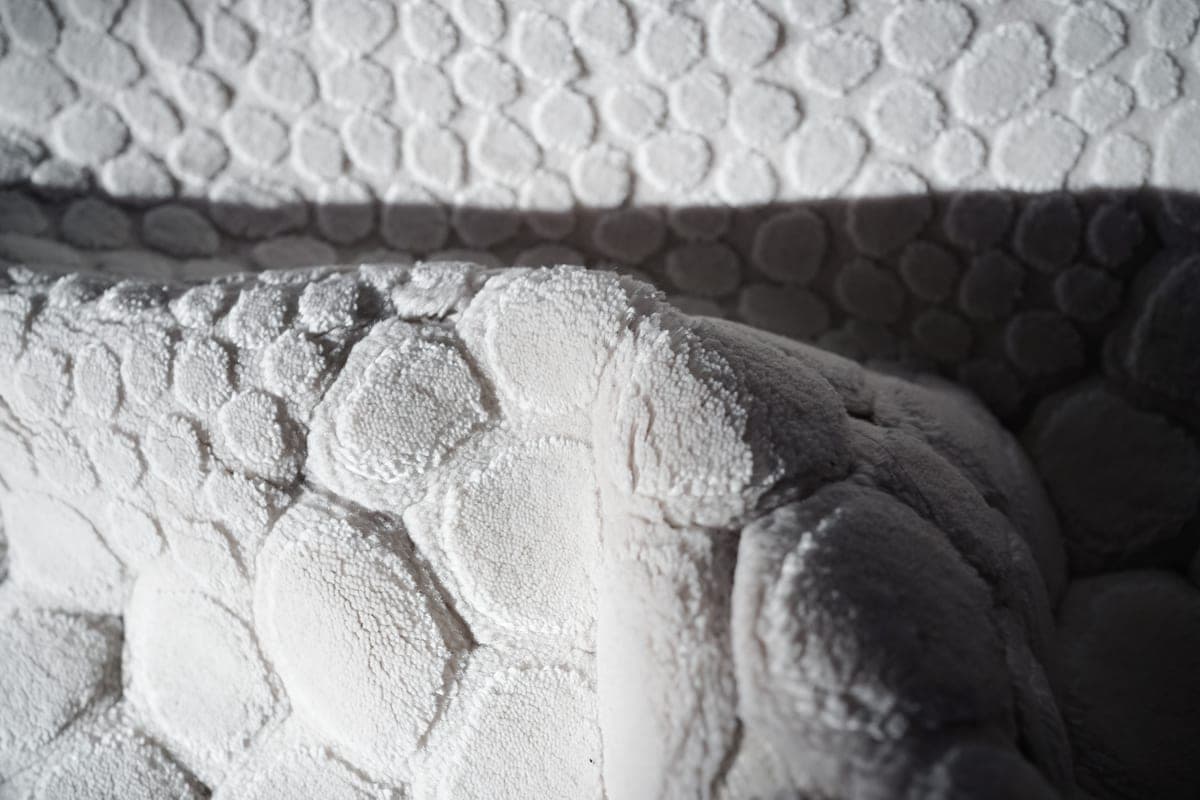
Best for Bathrooms
Bath rugs that grip wet tile, absorb fast and survive weekly washing — and the backing that decides all three.
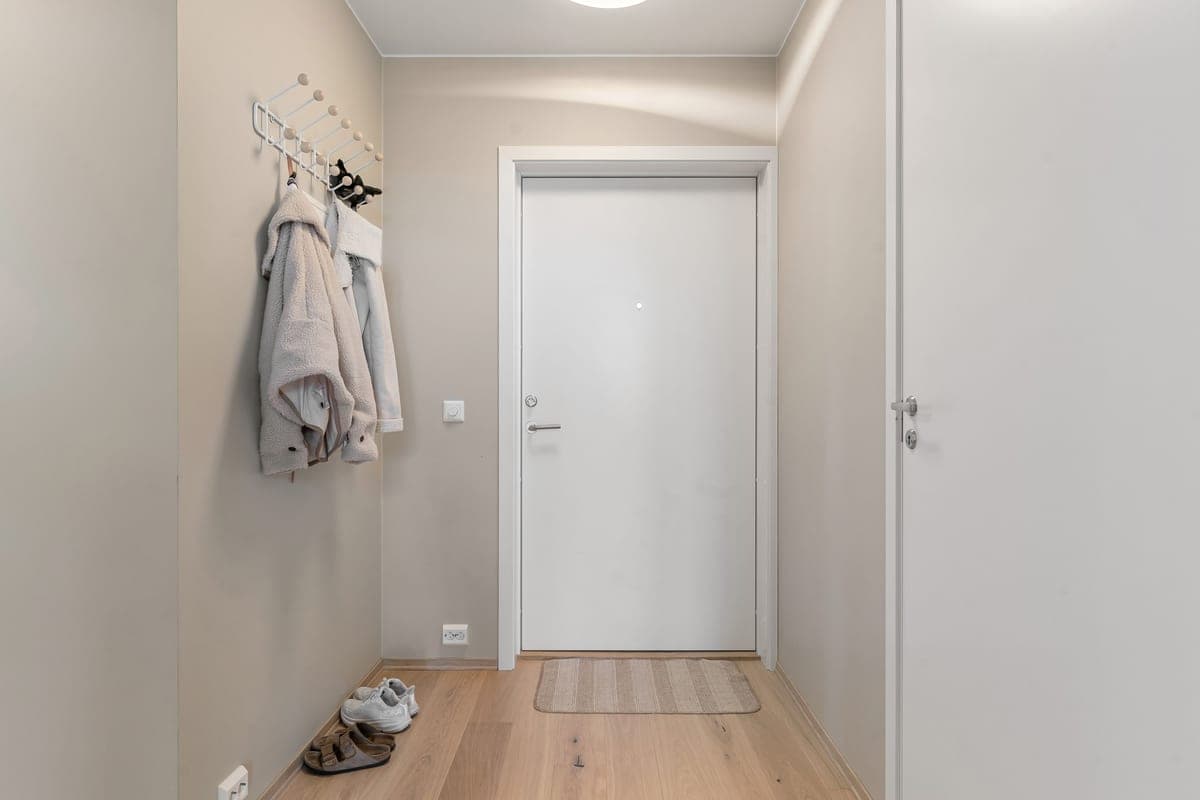
Best for Entryways
Entry rugs that actually scrape grit off shoes, why dark wins, and the two-mat system that protects the rest of the house.
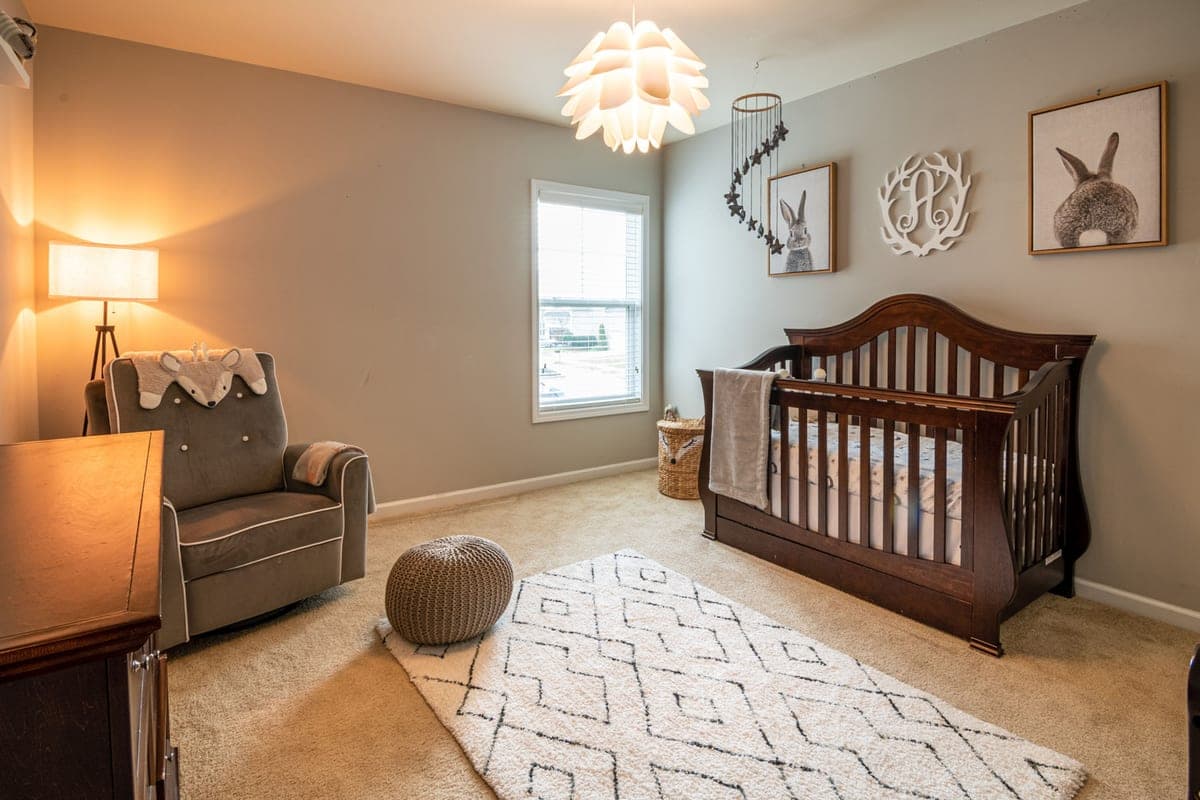
Best for Kids' Rooms
Nursery and kids' room rugs chosen for floor play, washability and the snag and slip risks nobody mentions.
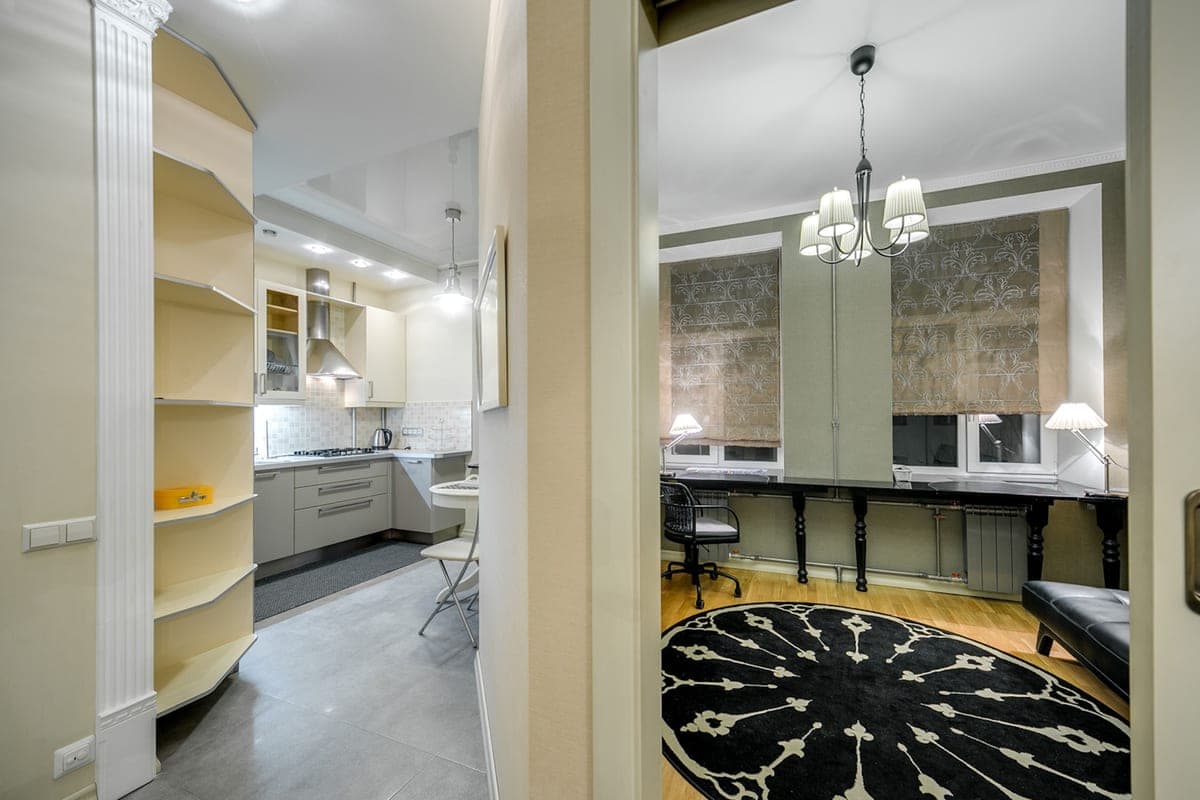
Best for Home Offices
Office rugs that survive caster wheels, plus what to do about cable runs and the chair-mat question.
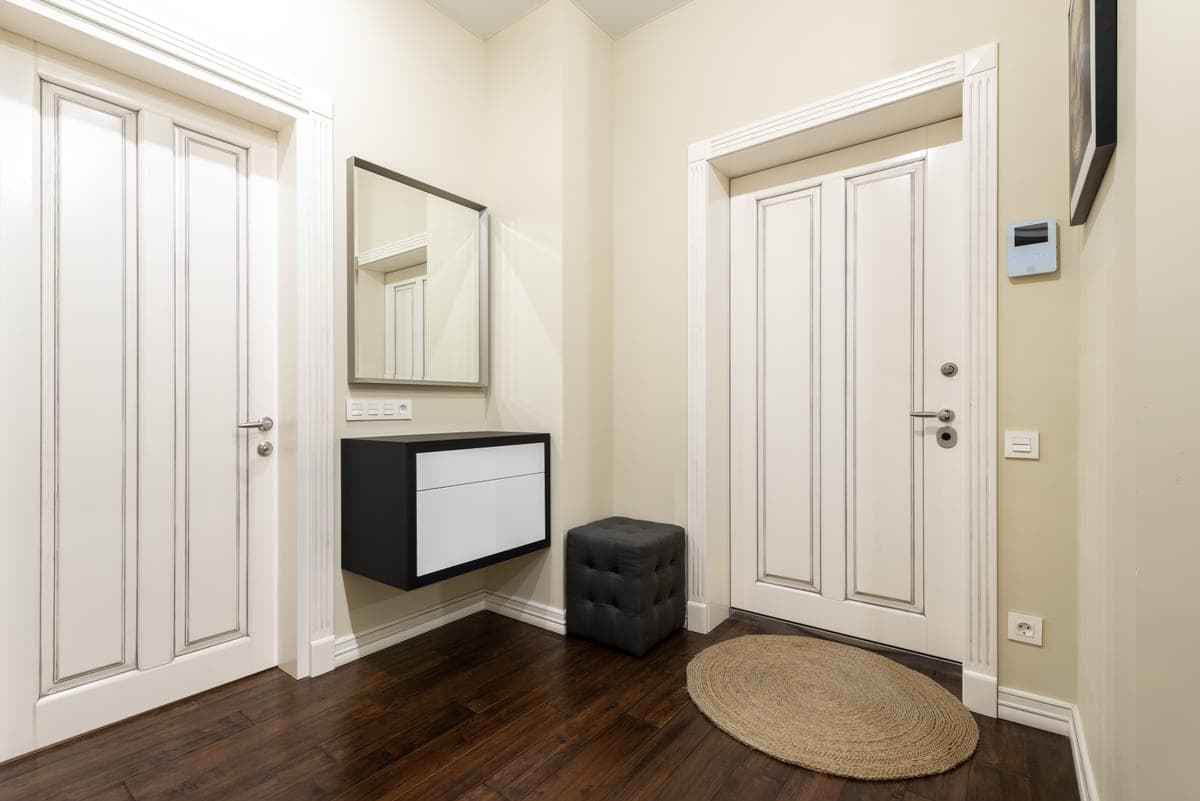
Best Runner Overall
Runners for hallways, kitchens, bedsides and stairs — widths, clearance rules and which backing suits which floor.
Best Hallway Runner
Hallway runners that stay put under directional traffic, in constructions that survive the busiest floor in the house.
Best Kitchen Runner
Kitchen runners sized to the working strip, with the non-slip backings a wet floor requires.
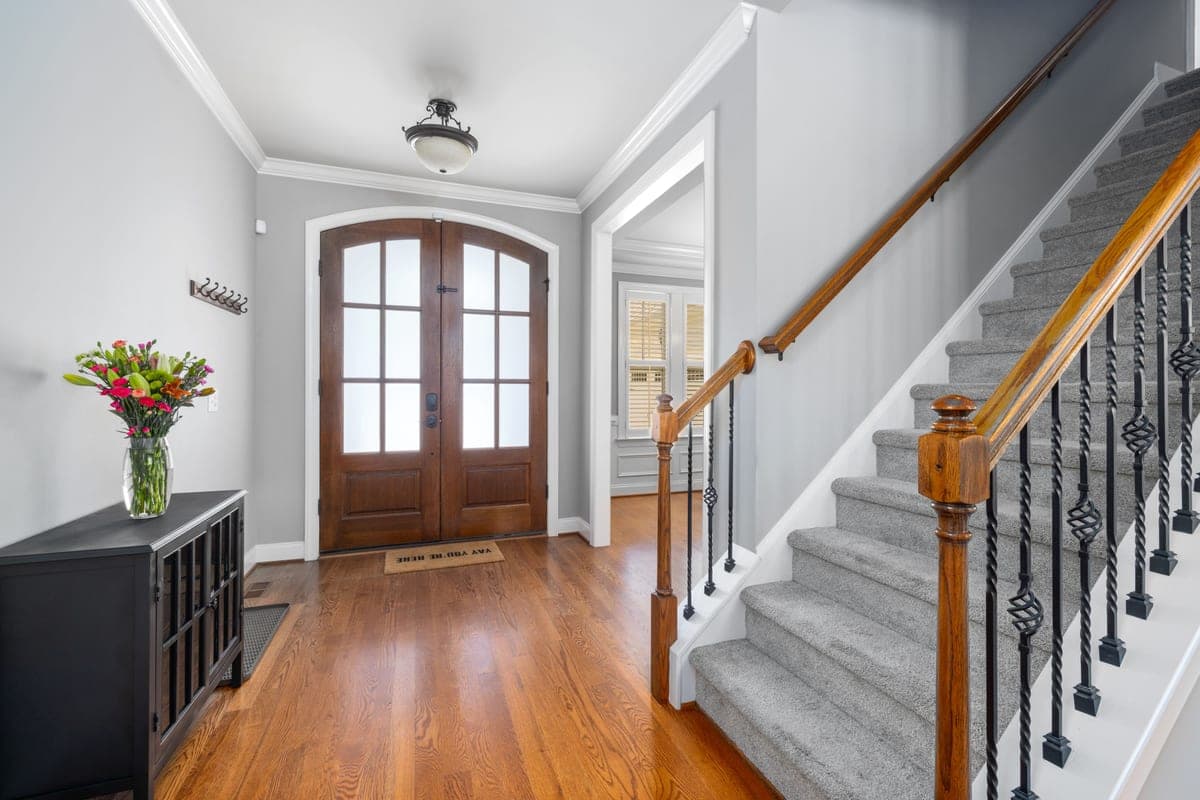
Best for Stairs
Stair runners fitted safely — measuring treads and risers, the individual-tread alternative, and what never to do.

Best for Pets & Traffic
Rugs that survive dogs, cats and constant footfall — the fibers, the pile, and the one construction to avoid.
Most bad rug purchases are not bad rugs. They are good rugs in the wrong room. A shag that is perfect beside a bed is miserable under a dining chair; a flatweave that is ideal in a dining room is cold and hard beside a bath. Before anything else, work out what the room is doing to the rug.
| Room | What it needs | What to avoid |
|---|---|---|
| Living room | Large enough to get furniture legs on; medium pile; something that hides traffic | Anything under 5x7 in a full-size room |
| Bedroom | Softness where feet land; size driven by the bed, not the room | Low flatweave right beside the bed |
| Kitchen | Washable or wipeable; runner shape; non-slip backing | Natural fiber anywhere near the sink |
| Dining room | Flatweave or very low pile so chairs slide; washable helps | Shag, high pile, anything a chair leg catches |
| Bathroom | Fast-absorbing chenille or cotton with a rubber back | Anything that cannot go in a machine weekly |
| Entryway | Dense, dark, hard-wearing; grit removal is the job | Light colors and soft pile |
| Nursery and kids' room | Washable, soft, low-VOC where possible | Loop pile that snags, and rugs that cannot be washed |
| Home office | Flat and firm under a chair mat or caster wheels | Any pile deep enough to fight a desk chair |
A runner is defined by where it goes rather than what it is made of, which is why it lives here rather than in its own category. The constraints are entirely spatial: door clearance, tread depth, the width left either side. Runner rugs is the overview, and it splits into hallways, kitchens and stairs because the three have almost nothing in common beyond the aspect ratio.
Hallways, entries and the path between a kitchen and a back door take several times the footfall of the room they connect. In those places fiber choice stops being about comfort and becomes about abrasion resistance — which is why the best rug material for high traffic is one of the most useful pages on this site, and why rugs for pets and high traffic treats the two problems together.
A beautiful rug at the wrong size looks like a mistake, and no amount of styling rescues it. Almost every room page here links to its matching size guide for that reason. If you are still at the measuring stage, start in rug sizes and pads and come back.
8x10 for a standard living room and 9x12 for an open-plan space are the two that come up most. The deciding factor is getting at least the front legs of every seat onto the rug. What size rug for a living room walks through the measurement.
Usually not well. A kitchen wants a runner in front of the working surfaces; a dining room wants a large flatweave that extends past the chairs when they are pulled out. The shapes are different because the jobs are different.
You need a different fiber and backing, more than a different rug. Low, dense, solution-dyed synthetic handles claws and accidents far better than a loop pile or a delicate natural fiber. See rugs for pets and high traffic.
Under, in almost every case, with the top third tucked beneath the bed so your feet land on rug on both sides. Runners either side are the fallback when the room is too narrow. Rug placement in a bedroom has the layouts.
Yes, with a felt-only pad to stop it rippling. Rubber-backed pads do nothing useful on carpet and can mark it. Are washable rugs good on carpet covers the specific case people ask about most.