guide
Wool Rugs
What wool physically does that synthetics cannot — crimp recovery and lanolin — and what that buys you.
Every common fiber on what it actually does: how it wears, how it feels, how it handles water, and what it costs to live with.
Heads up: we earn a commission when you buy through links on this page, at no extra cost to you. It never changes which rug we put first — see how we choose and our affiliate disclosure.
Start here
If the rug is staying more than five years, wool is the fiber that justifies its price, because it recovers from compression and resists soil in ways no synthetic manages. It sheds for the first few months and that is normal, not a fault.
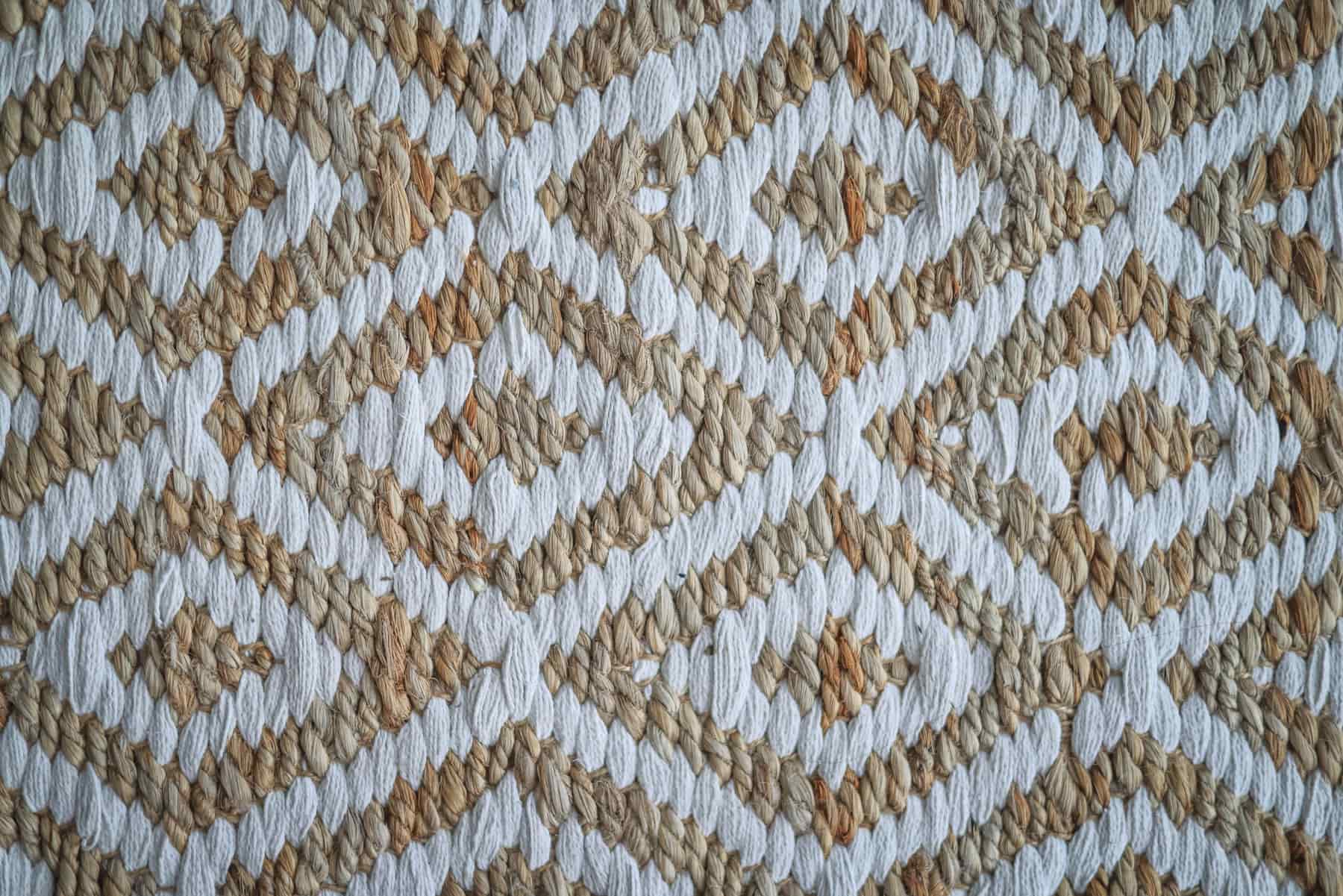
Illustrative photo of this rug type — not manufacturer imagery.
16 pages. Start wherever your question is.
guide
What wool physically does that synthetics cannot — crimp recovery and lanolin — and what that buys you.
guide
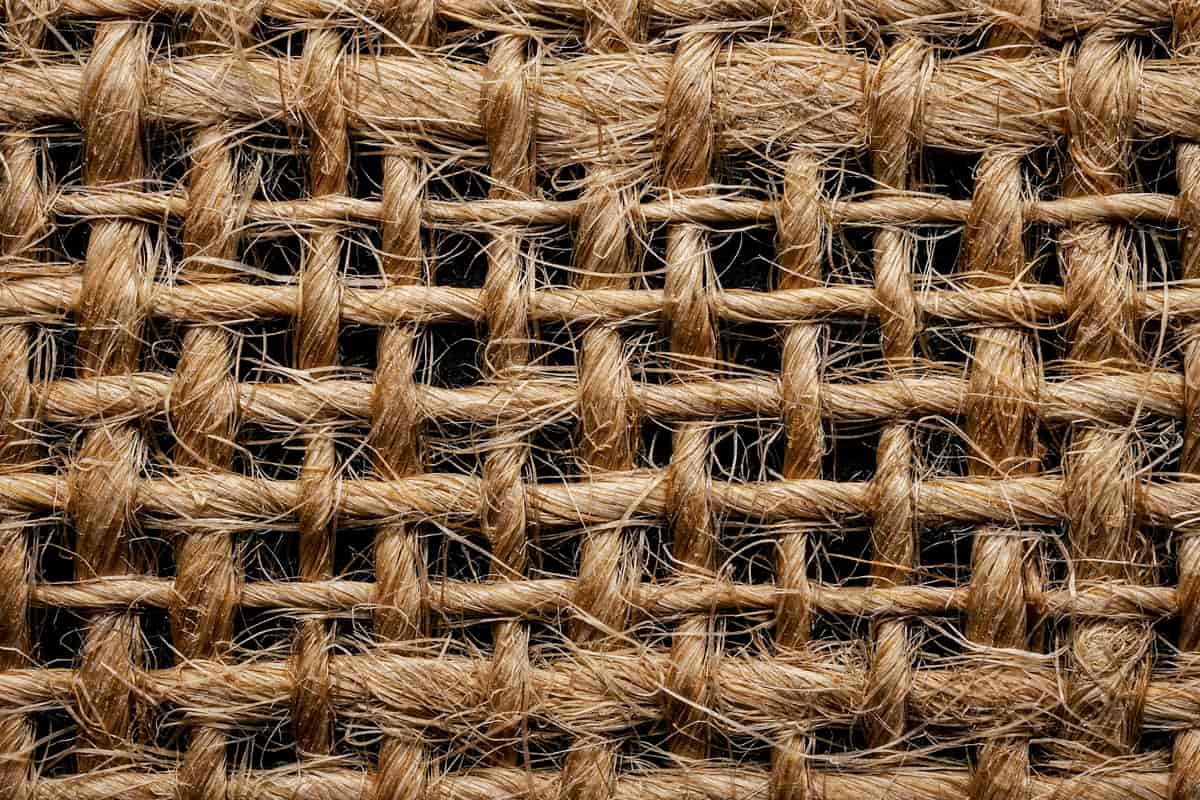
Jute's real behavior — heavy early shedding, permanent water staining, the smell — and where it genuinely belongs.
guide
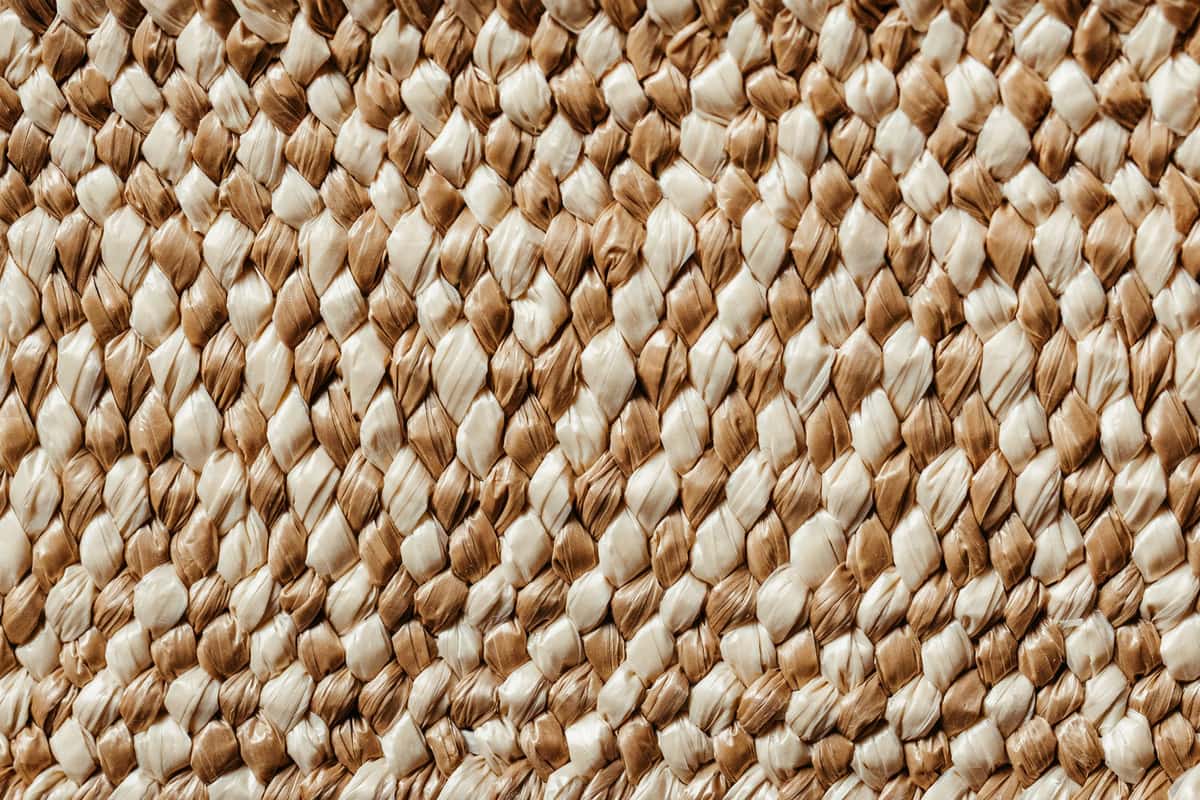
Sisal's real strengths and its three real problems: humidity rippling, staining, and what cats do to it.
guide
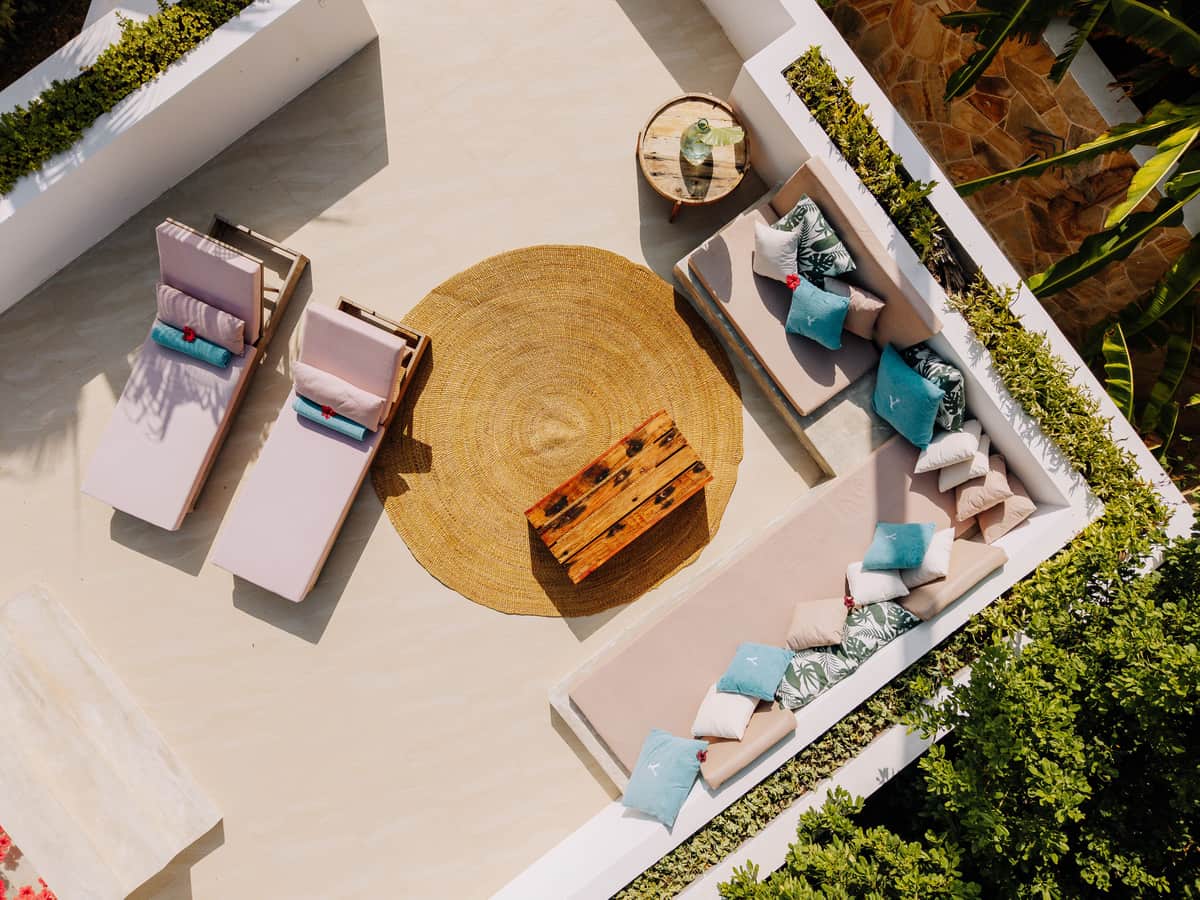
Why solution-dyeing and water repellency make polypropylene the default budget and outdoor fiber — and its real limits.
guide
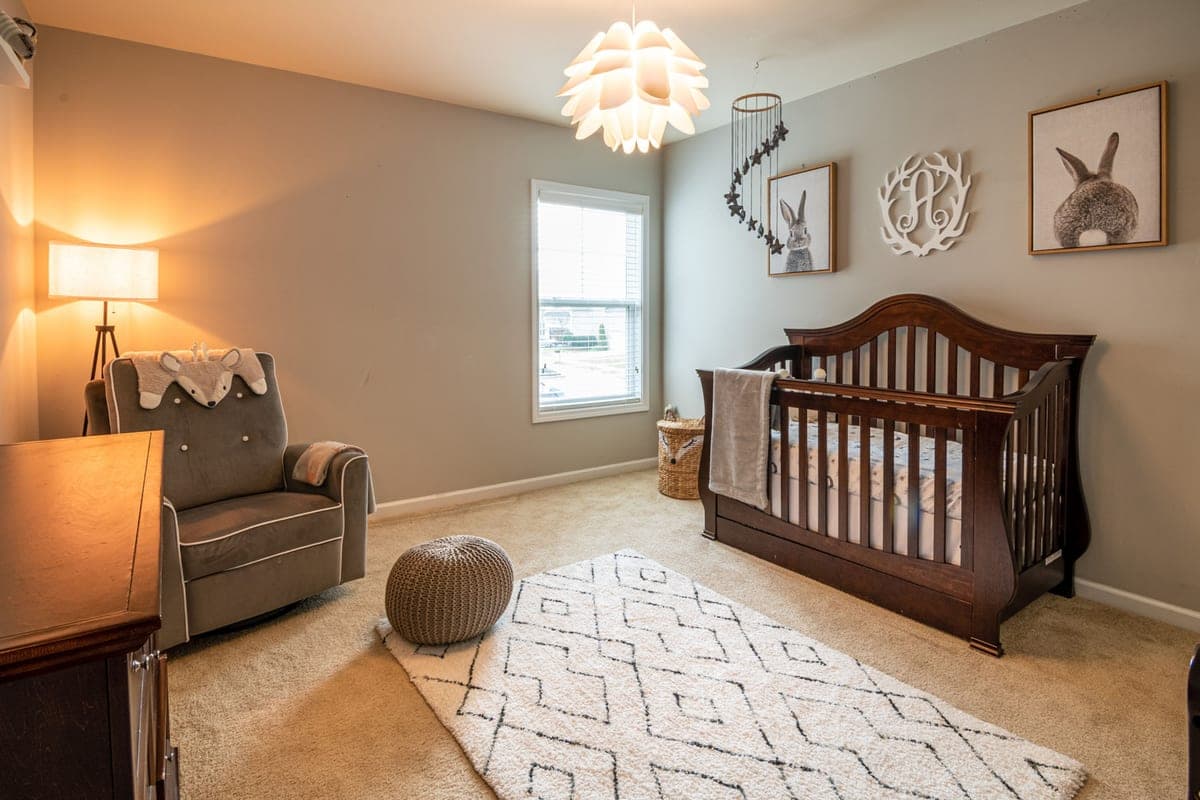
Cotton's genuine washability and genuine fragility — and the rooms where that combination is exactly right.
guide
Why viscose looks extraordinary and behaves terribly — and what to buy instead if you want the look.
guide
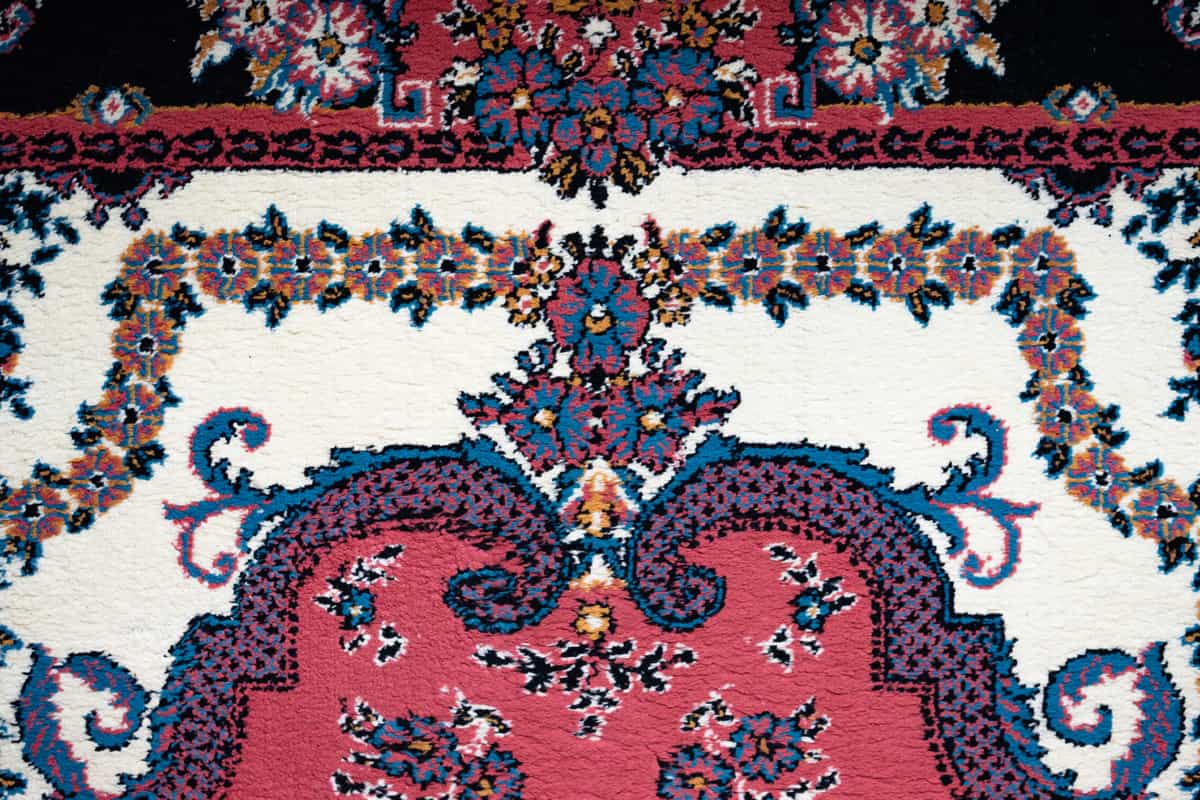
What 'Persian' actually denotes, how to tell hand-knotted from machine-woven, and what you are paying for.
guide
What the umbrella term covers, how the regional traditions differ, and what actually determines value.
guide
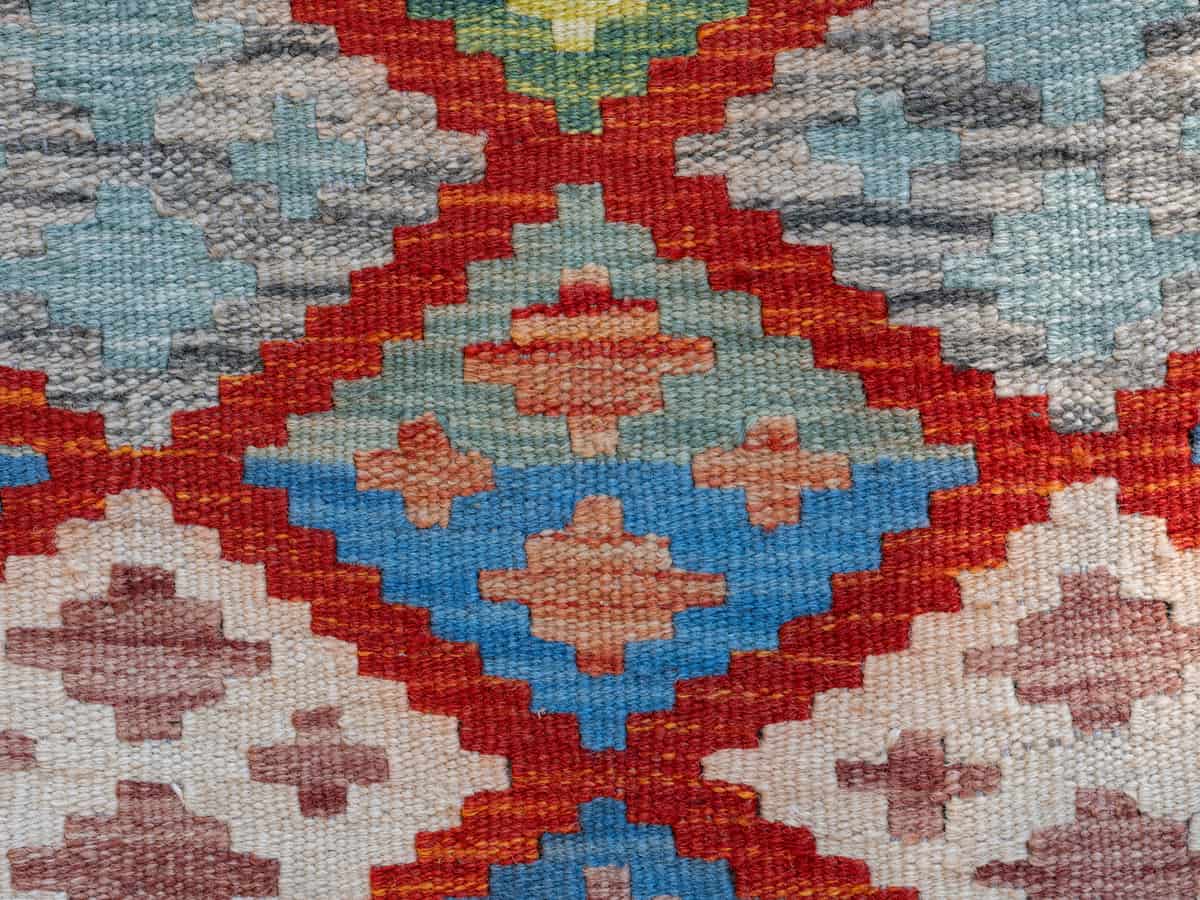
The symmetric knot, the kilim flatweave tradition, and what overdyed vintage Turkish rugs actually are.
guide
How braided construction works, why most are reversible, and the shedding trade that comes with it.
guide
How 3D-effect rugs work, what decides print quality, and how long novelty rugs realistically last.
comparison
The single trade-off that decides between the two natural fibers, mapped onto the rooms each belongs in.
comparison
Jute against wool on cost per year, comfort and cleanability — and which is genuinely the better value.
comparison
Where wool's premium is justified against polyester, and the specific rooms where polyester is the better buy.
comparison
Area rugs against wall-to-wall carpet on cost, cleaning, allergies and flexibility — room by room.
guide
The two properties that decide high-traffic performance, the three fibers that have both, and why construction matters as much.
Fiber decides more about how a rug lives than pattern, brand or price do. It sets how the rug wears, how it feels, what happens when something is spilled on it, and whether it can be cleaned or only replaced. Here is the whole landscape in one place.
| Fiber | Durability | Feel | Water | Relative cost |
|---|---|---|---|---|
| Wool | Excellent | Soft, springy | Absorbs, dries slowly, cleans well | High |
| Polypropylene | Very good | Firm, slightly slick | Repels; the outdoor default | Low |
| Sisal | Very good | Coarse, firm | Poor — stains, ripples | Medium |
| Jute | Moderate | Coarse but softer than sisal | Poor — browns and molds | Low |
| Cotton | Moderate | Soft, flat | Absorbs; usually washable | Low |
| Viscose | Poor | Silky, luxurious | Very poor — water stains it | Medium |
Wool fibers are naturally crimped, which means they compress and then spring back. That is why a wool rug under a sofa leg recovers when the sofa moves and a synthetic one keeps the dent forever. Wool also carries lanolin, a natural waxy coating that makes the fiber mildly soil-resistant before anyone applies a treatment to it. Those two properties are most of why wool costs what it costs and most of why it lasts.
The trade is shedding. A new hand-tufted wool rug sheds noticeably for the first few months — loose fiber left from the tufting process working its way out. It is normal, it stops, and it is not a defect. The comparison that helps most people decide is wool vs polyester.
Jute and sisal are plant stem fibers, and plant stem fibers do not like water. A wet spill left sitting in jute wicks outward and dries as a brown ring that does not come out, because what you are seeing is the fiber's own tannins moving with the water. Sisal does the same and additionally expands and contracts with humidity, so it can ripple in a damp season and flatten again in a dry one.
Between the two, sisal is meaningfully tougher and jute is meaningfully softer. That single trade-off is the whole decision, which is why jute vs sisal is the comparison people search for most in this category.
Polypropylene is solution-dyed, hydrophobic and cheap — the workhorse of the entire budget market and the standard outdoor fiber. Polyester is softer and takes color beautifully but crushes and holds oily soil. Nylon is the most abrasion-resistant fiber of all but rarely appears in consumer area rugs. Viscose, often sold as art silk or bamboo silk, looks extraordinary and is the single least practical rug fiber in normal use: plain water marks it permanently.
Persian, oriental and Turkish rugs describe where and how a rug was made rather than what it is made of — though historically the answer was wool, and often still is. The machine-woven polypropylene versions of those patterns are a completely different product wearing the same design, and the price gap tells you which you are looking at. Braided rugs are likewise a construction that appears in wool, cotton and synthetic.
If you already know the room, the fastest route is the best rug material for high traffic, or the broader question of rugs vs carpet if you are still deciding whether to cover the floor at all. Every fiber page here links straight to its own cleaning guide in rug care, because how a fiber is cleaned is part of what the fiber is.
Nylon, then wool, then sisal, then polypropylene — with the caveat that nylon is rare in area rugs. For a room you walk through daily, wool and polypropylene are the two realistic answers depending on budget.
Polypropylene itself is chemically inert and is used in food packaging. The questions worth asking are about backings, adhesives and flame-retardant treatments rather than the fiber. Polypropylene rugs covers what is actually known.
Heavily, for roughly the first four to six weeks, then it settles substantially. Braided jute sheds more and for longer than woven jute. It is a property of the fiber, not a sign of a bad rug.
Low-pile solution-dyed polypropylene, or wool if the budget allows and accidents are rare. Avoid loop pile in any fiber — claws catch the loops and pull them. Avoid viscose entirely.
Over a ten-year horizon, usually yes, because it is still there. Over a three-year horizon in a rental, usually no. It is a question about how long the rug needs to last rather than about quality.