guide
How to Clean an Area Rug
How to identify your rug's fiber, the three rules that apply to all of them, and where to go next.
Wool, jute, sisal and polypropylene need four different methods. Using the wrong one is how rugs get ruined.
Heads up: we earn a commission when you buy through links on this page, at no extra cost to you. It never changes which rug we put first — see how we choose and our affiliate disclosure.
Start here
Most premature rug wear happens from underneath, where grit grinds against the backing. A decent pad is the cheapest life extension available for any rug. The rubber layer compresses sooner than the premium option.
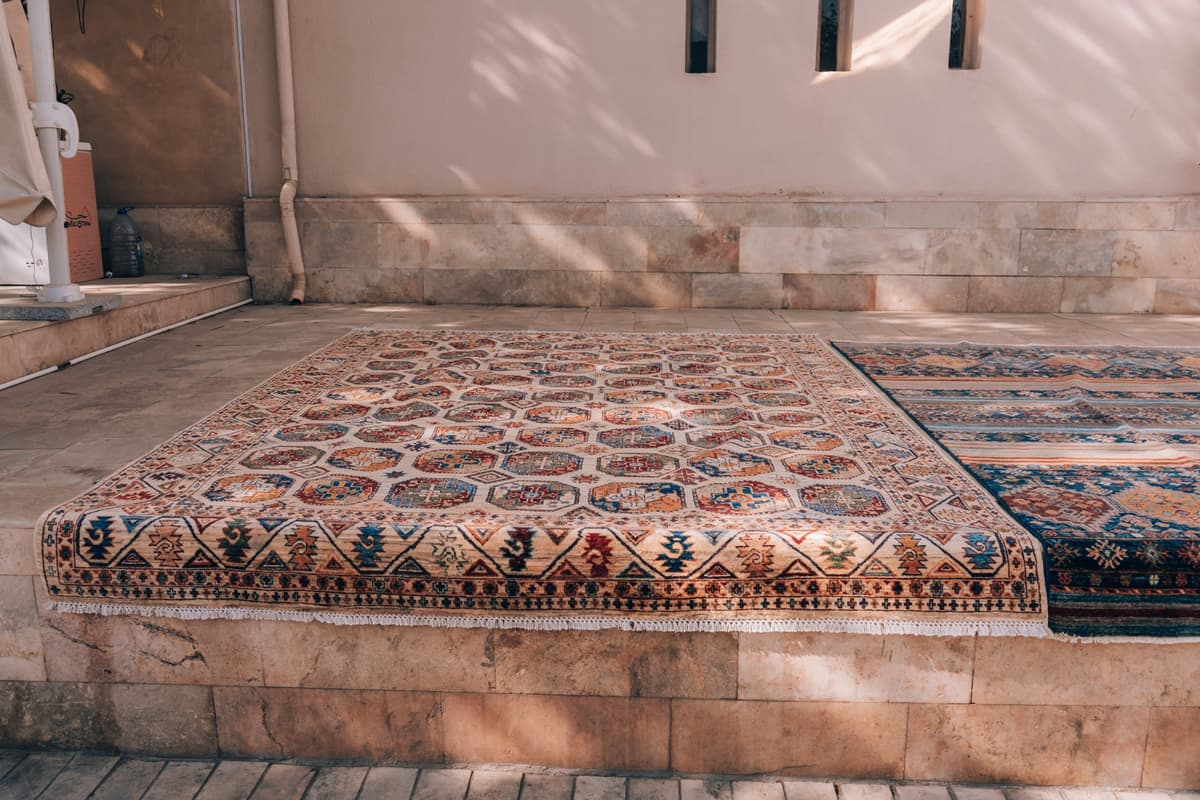
Illustrative photo of this rug type — not manufacturer imagery.
9 pages. Start wherever your question is.
guide
How to identify your rug's fiber, the three rules that apply to all of them, and where to go next.
guide
The cool-water method for wool, why heat felts it permanently, and what to do about set-in stains.
guide
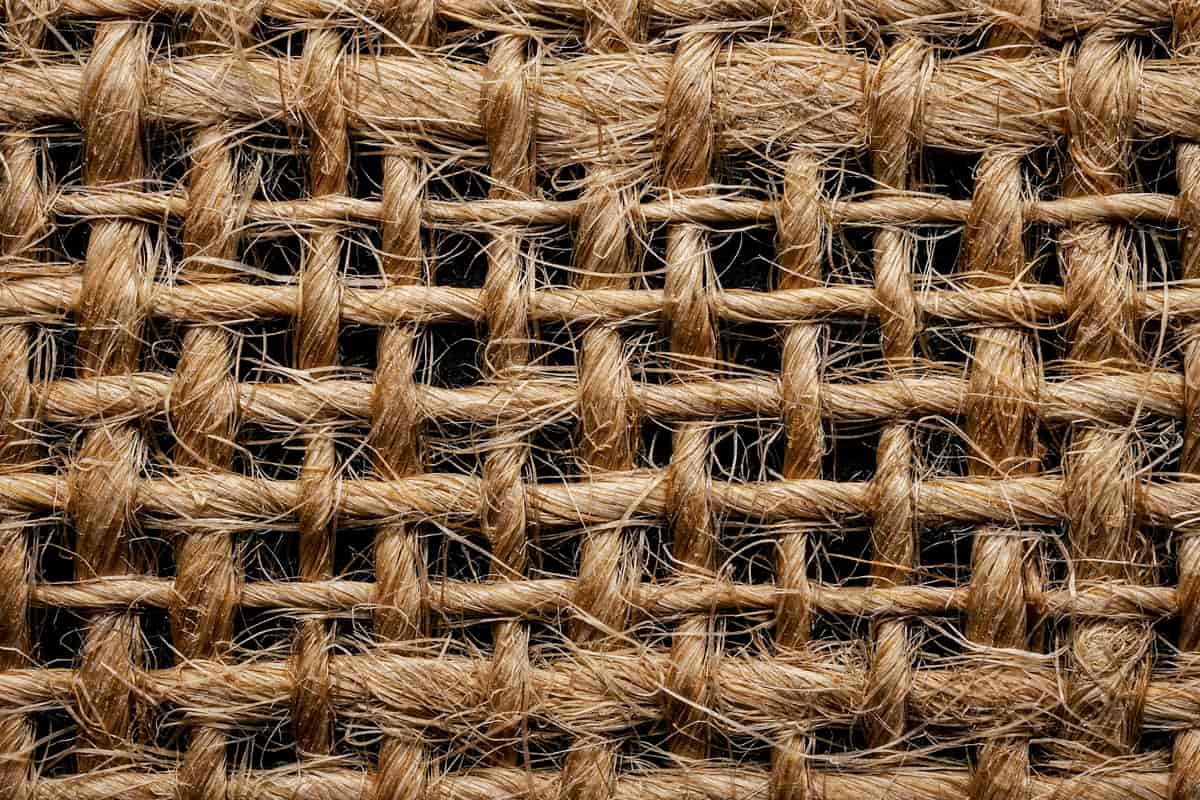
Why jute cannot be wet-cleaned, what to do the moment something spills, and whether a musty rug can be saved.
guide
The dry method for sisal, why water swells and stains it, and what to do about humidity rippling.

guide
The forgiving fiber: what you can do freely, the two real limits, and how to deal with oily soil.
guide
The hose-and-brush routine, why drying both faces matters most, and how to handle mildew.
guide
Why old pet stains keep smelling, how enzyme cleaners work, and the one mistake that makes them permanent.
guide
Which setting for which construction, why beater bars help some rugs and wreck others, and how often to vacuum.

guide
How to store a rug so it survives — rolled not folded, fully dry, off the ground, and never sealed in plastic.
There is no such thing as generic rug cleaning. The single most damaging thing you can do to a rug is apply the right method for a different fiber, and the internet is full of advice that does not say which fiber it is for. So this hub is organized the only way it sensibly can be: one method per fiber.
| Fiber | Water | Heat | Guide |
|---|---|---|---|
| Wool | Cool only, minimal, dry fast | Never — hot water felts it permanently | How to clean a wool rug |
| Jute | As little as possible | No | How to clean a jute rug |
| Sisal | Almost none — dry methods | No | How to clean a sisal rug |
| Polypropylene | Freely — it is a plastic | Warm is fine, not hot | How to clean a polypropylene rug |
| Outdoor synthetic | Hose it | Sun-dry both faces | How to clean an outdoor rug |
Most rug wear is abrasive rather than chemical. Grit works its way to the base of the pile and then grinds against the fibers every time someone walks across it, cutting them from below. Regular vacuuming removes that grit and is worth more to a rug's lifespan than any amount of deep cleaning.
The technique varies by construction: beater bars are good on dense low pile and actively harmful on loop pile, shag and natural fiber. Vacuuming rugs covers which setting for which rug, including the washable-rug case that catches people out.
With urine, the clock matters more than the product. Fresh, it is a blotting job. Once it has dried and soaked into the backing, the odor is being produced by bacteria feeding on residue below the surface, and surface cleaning will not touch it — that needs an enzymatic cleaner and enough dwell time to work. Pet stains and odors is the full method, including why steam cleaning a urine stain makes it permanent.
A rug put away damp, folded, in a plastic bag, will come out with mildew and permanent creases. Rolled rather than folded, clean and fully dry, in breathable material rather than plastic, off the floor. Storing rugs covers the seasonal case for outdoor rugs and long-term storage for wool.
If you are not sure what your rug is made of, how to clean an area rug starts with identifying the fiber and then routes you to the right method. If you already know, go straight to the fiber guide from the table above.
No. Steam is fine on polypropylene and usually fine on cotton, risky on wool because of felting, and genuinely damaging on jute, sisal and viscose. Check the fiber before the machine comes out.
Every 12 to 24 months for a wool rug in a lived-in room, less for a low-traffic one. Synthetics rarely need it at all if they are vacuumed regularly and spot-cleaned promptly.
An enzymatic cleaner applied generously enough to reach as deep as the urine did, left to dwell for the full time on the label. Surface cleaners mask odor rather than remove the source. See pet stains and odors.
Almost always moisture. Jute holds a faint natural smell when new that fades, but a persistent musty odor means water has got into the fiber and it has not fully dried. How to clean a jute rug explains what can and cannot be recovered.
On synthetics, generally yes, and it does help with odor if you vacuum it out thoroughly. On wool it is alkaline enough to dull the fiber with repeated use, and on natural plant fiber it is hard to remove from the weave completely.