Rug Materials
Jute vs Sisal
One trade-off decides this: sisal is tougher, jute is softer. Everything else follows from that.
Heads up: we earn a commission when you buy through links on this page, at no extra cost to you. It never changes which rug we put first — see how we choose and our affiliate disclosure.
Quick picks
The whole answer, before the detail. Tap any row to jump to that rug's full write-up further down the page.
| # | Rug | Best for | Construction | Price |
|---|---|---|---|---|
| 1 | 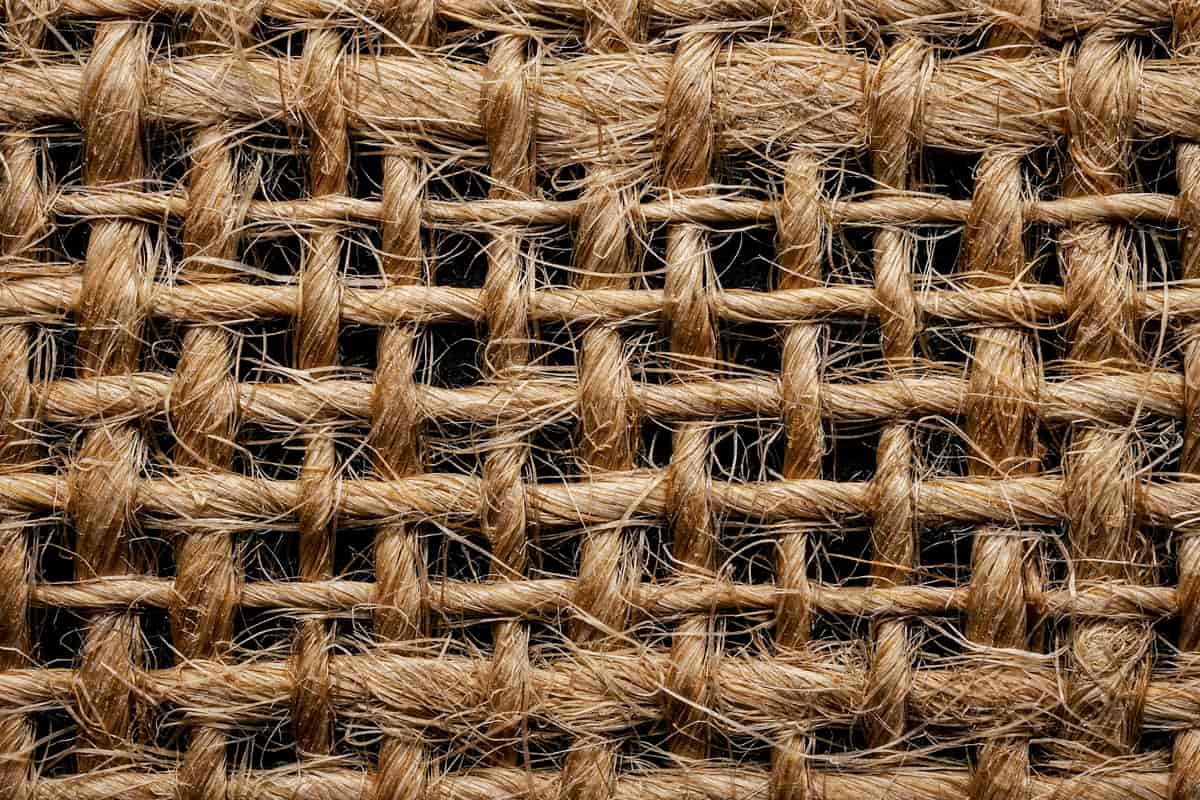 Safavieh Natural Fiber Jute RugThe softer fiber, and the cheaper one. Right for a living room or bedroom where texture matters and traffic is moderate. Sheds heavily for the first month. | Natural texture on a budget | Handwoven jute over a cotton backing | |
| 2 | nuLOOM Natural Sisal RugThe tougher fiber. Right for a hallway, an entry one step in, or anywhere with real footfall. Harsher underfoot and it ripples in humidity. | High-traffic natural fiber | Woven sisal with a latex or cotton backing |
The short answer
Sisal is meaningfully tougher and jute is meaningfully softer. Put sisal where people walk — hallways, entries, offices — and jute where people sit — living rooms, bedrooms. Both stain permanently from water and neither belongs in a kitchen, a bathroom or outdoors.
Side by side
| Jute | Sisal | |
|---|---|---|
| Source | Plant stem fiber | Agave leaf fiber |
| Durability | Moderate | Very good |
| Feel underfoot | Coarse but tolerable | Harsh |
| Shedding | Heavy for 4-6 weeks | Minimal |
| Water | Browns permanently | Stains; swells |
| Humidity | Fairly stable | Ripples and flattens seasonally |
| Price | Lowest of the natural fibers | Moderate |
| Cats | Largely ignored | Often scratched |
Safavieh Natural Fiber Jute Rug
Natural texture on a budget
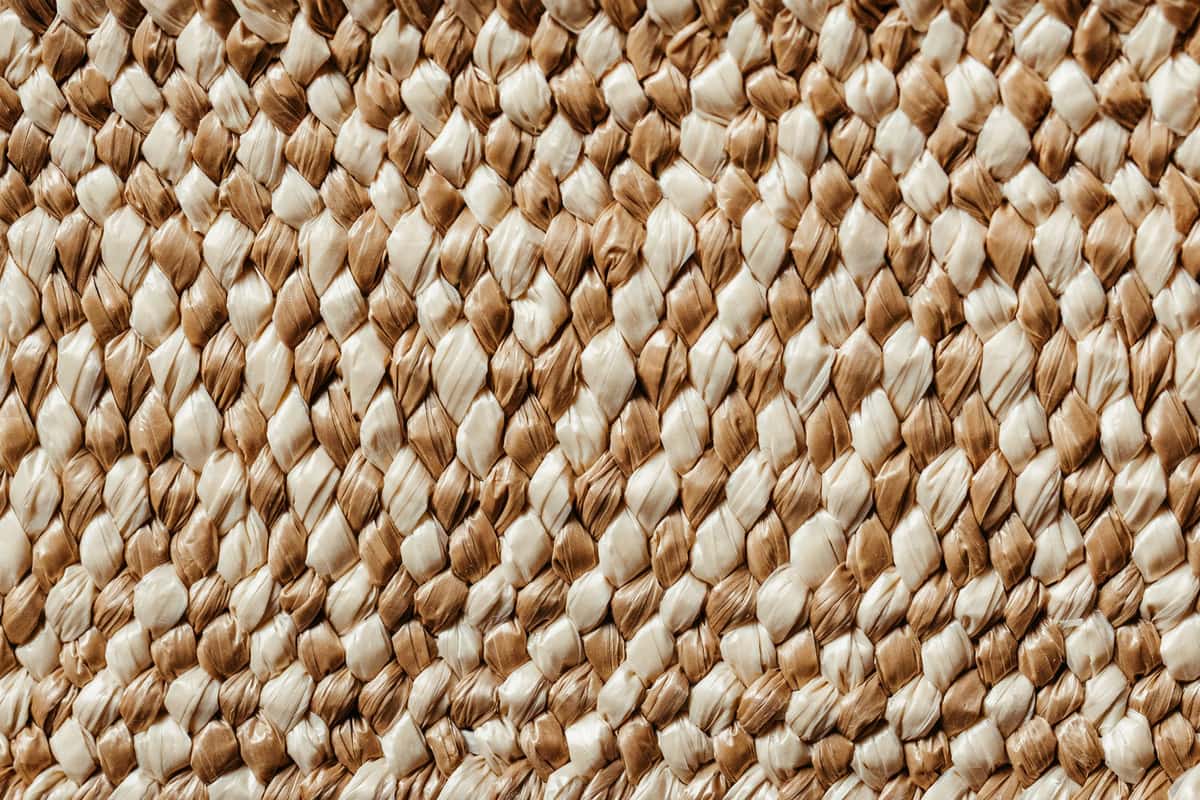
Illustrative photo of this rug type — not manufacturer imagery. Current product photos are on the Amazon listing.
The softer fiber, and the cheaper one. Right for a living room or bedroom where texture matters and traffic is moderate. Sheds heavily for the first month.
What it is
- Handwoven jute with a cotton or canvas backing on most patterns
- Very wide size range including rounds and runners
- Undyed natural color plus bleached and overdyed options
What it does well
- The cheapest way into a genuine natural fiber rug rather than a jute-look print
- Texture hides crumbs and light traffic marks remarkably well
- Biodegradable at end of life, which almost nothing else in this list is
Don't buy it if
- It sheds heavily for roughly the first four to six weeks, then settles
- Jute and water do not get along — a wet spill left in it can leave a permanent brown ring
- Coarse underfoot. It is not a barefoot rug
The right rug for a dry, low-spill room where you want texture, and the wrong one anywhere near a kitchen sink.
nuLOOM Natural Sisal Rug
High-traffic natural fiber
Illustrative photo of this rug type — not manufacturer imagery. Current product photos are on the Amazon listing.
The tougher fiber. Right for a hallway, an entry one step in, or anywhere with real footfall. Harsher underfoot and it ripples in humidity.
What it is
- Sisal is the hardest-wearing of the common natural rug fibers
- Tight flat weave with a backing to limit slip
- Natural and lightly dyed colorways
What it does well
- Substantially tougher than jute — it belongs in a hallway where jute does not
- The tight weave does not shed the way a braided jute does
- Holds its shape under furniture better than softer natural fibers
Don't buy it if
- Harsher than jute underfoot, and that is saying something
- Stains readily and cannot be wet-cleaned without risking the fiber
- Expands and contracts with humidity, so it can ripple in a damp season
Choose sisal over jute whenever feet, shoes or chair legs move across it daily.
Why sisal wins on traffic
Sisal fiber is stiffer and stronger, and it is woven into a tighter flat construction with very little for a foot to crush. Jute is softer and its weave is looser, so the same footfall flattens and abrades it much faster. In a hallway, a jute rug will look tired in a year where a sisal rug looks fine after five.
Why jute wins on comfort and price
Jute's softer fiber is more pleasant to walk on barefoot and considerably warmer in tone — it reads as a warm natural cream where sisal reads paler and more technical. It is also the cheapest genuine natural fiber rug available by a clear margin, which matters when you are covering a large living room.
The cat problem is sisal-specific
Sisal is what most scratching posts are made from, and cats frequently treat a sisal rug the same way. Jute is generally ignored. In a household with a cat, this can single-handedly settle the choice — see rugs for pets.
The blend option
Jute-sisal and sisal-wool blends both exist and both make sense. A sisal-wool blend softens sisal's harshness while keeping most of its toughness, at a higher price. A jute-sisal blend splits the difference on both counts. If you are torn, a blend is a legitimate answer rather than a fudge.
If neither is quite right, the best rug material for high traffic widens the field to synthetics and wool, and jute vs wool covers the natural-fiber-versus-wool decision.
Questions people actually ask
Is jute or sisal more durable?
Sisal, clearly. It is a stiffer, stronger fiber in a tighter weave and handles traffic that would flatten jute within a year.
Which is softer, jute or sisal?
Jute, noticeably. Neither is soft compared with wool, but sisal is genuinely harsh underfoot.
Can either get wet?
No. Jute browns permanently from its own tannins; sisal stains and swells. Keep both away from water.
Which is cheaper?
Jute, usually by a clear margin. It is the cheapest genuine natural fiber rug available.
Which is better with cats?
Jute. Cats frequently scratch sisal because it is very close to what scratching posts are made from.
Read next
- Jute RugsJute's real behavior — heavy early shedding, permanent water staining, the smell — and where it genuinely belongs.
- Sisal RugsSisal's real strengths and its three real problems: humidity rippling, staining, and what cats do to it.
- Jute vs WoolJute against wool on cost per year, comfort and cleanability — and which is genuinely the better value.
- The Best Rug Material for High TrafficThe two properties that decide high-traffic performance, the three fibers that have both, and why construction matters as much.
- Hallway RunnersHallway runners that stay put under directional traffic, in constructions that survive the busiest floor in the house.
- Rug MaterialsWool, jute, sisal, polypropylene, cotton, viscose and the traditional weaves — compared on wear, feel, water and cost.