Rug Materials
The Best Hypoallergenic Rugs
The word is marketing. The mechanism is not: dust mites need depth and humidity, so a rug you can wash beats a rug labeled hypoallergenic every time.
Heads up: we earn a commission when you buy through links on this page, at no extra cost to you. It never changes which rug we put first — see how we choose and our affiliate disclosure.
Quick picks
The whole answer, before the detail. Tap any row to jump to that rug's full write-up further down the page.
| # | Rug | Best for | Construction | Price |
|---|---|---|---|---|
| 1 | No image nuLOOM Washable Area RugThe pick, because the single most effective thing a rug can do for an allergy household is go in a washing machine. One-piece low-pile polyester, machine washable, and low enough in pile that there is very little depth for dust to settle into in the first place. Washing at the hottest temperature the care label allows is what actually removes mite allergen; no surface treatment achieves the same thing. | Washing it often, which is the point | One-piece low-pile polyester, machine washable | |
| 2 | 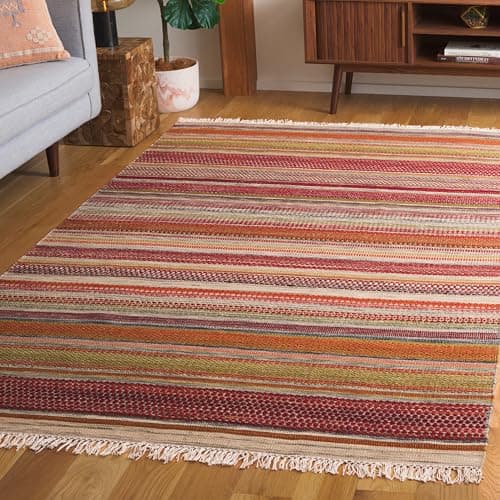 Safavieh Wool Flatweave Kilim RugThe best non-washable option, and the one to buy if you want a rug that will last. A flatwoven wool kilim has effectively no pile, so there is no depth for dust and dander to sink into, and what lands on it stays on the surface where a vacuum can take it. Wool also regulates humidity, which matters more than it sounds: dust mites need ambient moisture, and the fiber's buffering works against them. | No pile, and a twenty-year rug | Flatwoven wool, effectively no pile | |
| 3 | 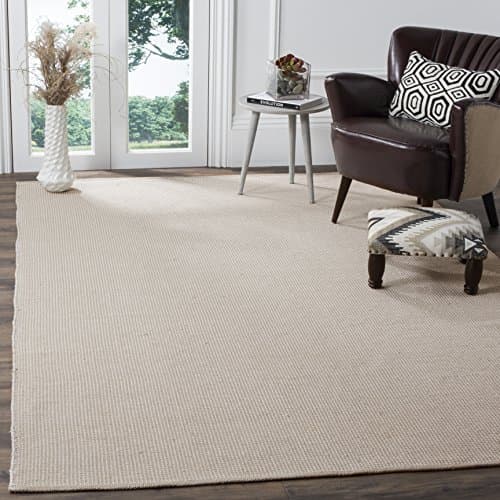 Safavieh Montauk Cotton Flatweave RugThe washable natural-fiber answer. Handwoven cotton flatweave with no applied backing, thin enough to launder at accent and runner sizes in a domestic machine - which is the whole argument for it in this context. It absorbs, which is a genuine drawback in a kitchen and is irrelevant in a bedroom, and a bedroom is the room where allergy management actually matters most. | Laundering a natural fiber | Handwoven 100 percent cotton flatweave, no applied backing | $246.00View on Amazon #ad We earn a commission · Price as of October 18, 2026 |
| 4 | 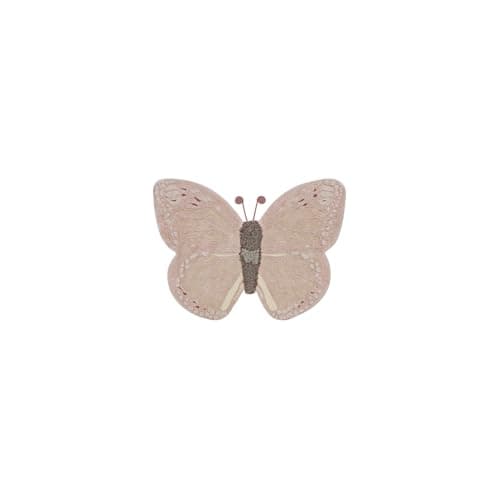 Lorena Canals Washable RugsThe pick for a nursery or a child's bedroom, which is where this question gets asked most often. One-piece woven cotton or certified wool that can be washed rather than replaced, soft enough that a child will sit on it, and without the deep pile that makes a plush kids' rug a reservoir. The size range tops out well below a living-room rug, which is fine - the room that needs it is small. | Nurseries and children's bedrooms | One-piece woven cotton or certified wool | $199.00View on Amazon #ad We earn a commission · Price as of October 18, 2026 |
The short answer
No rug is hypoallergenic, and the label is not regulated. What genuinely reduces allergens is a low pile you can vacuum properly and, better, a rug you can wash hot. The nuLOOM washable low-pile is the best pick for most people; a flatwoven wool kilim is the best one you cannot wash.
The common advice - rip out soft flooring if anyone has allergies - is cruder than the evidence supports. A rug is not an allergen; it is a surface that can either hold allergens where you cannot reach them, or hold them where a vacuum or a wash takes them away. The difference between those two outcomes is construction, and it is entirely under your control at the point of purchase.
What is actually in a rug that triggers a reaction
Three things, and they behave differently. Dust mite allergen comes from mite droppings and fragments; mites live on shed human skin and need humidity above roughly fifty percent to thrive. Pet dander is skin flakes, light enough to stay airborne and to resettle repeatedly. Pollen and outdoor particulate arrives on shoes and clothing and sits near the surface.
The EPA's asthma guidance and the Asthma and Allergy Foundation of America both point at the same control measures for soft furnishings: reduce the reservoir, wash what you can in hot water, and keep indoor humidity down. Nothing in either body of guidance is about the rug's fiber being inherently allergenic. That reframes the shopping question usefully - you are not buying a safe fiber, you are buying a surface you can actually clean.
What we judged these on
- Can it be washed, and how hot. This is the first criterion by a distance, because hot water is what denatures mite allergen. A rug that fits a domestic machine beats a rug that does not, regardless of fiber.
- Pile depth. Allergen reservoirs live in the depth of a pile, not on its tips. Flatweave and low pile hold a fraction of what a shag holds and release far more of it to a vacuum.
- Vacuum tolerance. A rug that cannot take a beater bar or sustained suction cannot be maintained properly, which cancels out any other advantage.
- Backing and adhesives. A latex or foam-backed rug is harder to dry fully after any wet cleaning, and a rug that stays damp is a rug that supports mites. We favored simple constructions.
- Humidity behavior. Wool buffers moisture and synthetics do not absorb it at all. Both are better than a fiber that holds damp, which is why jute and sisal are not on this page.
We compared published fiber content, pile construction and manufacturer washing instructions across current listings, read against published public-health guidance on indoor allergen control. We make no testing claims and no medical claims - how we choose sets out the method and its limits.
nuLOOM Washable Area Rug
Washing it often, which is the point
No licensed photo of this exact rug yet — see it on the Amazon listing.
The pick, because the single most effective thing a rug can do for an allergy household is go in a washing machine. One-piece low-pile polyester, machine washable, and low enough in pile that there is very little depth for dust to settle into in the first place. Washing at the hottest temperature the care label allows is what actually removes mite allergen; no surface treatment achieves the same thing.
What it is
- One-piece construction, no separate pad included
- Low pile sized to fit a domestic washer
- Wide size range including runners and rounds
What it does well
- The cheapest honest route into a washable rug
- One piece, so there is no cover to shift out of alignment
- Sizes go down to accent and runner dimensions the two-piece systems often skip
Don't buy it if
- No pad included, and it genuinely needs one — it will slide on a hard floor without
- Thin, with very little cushioning
- Color range is more limited than the premium brands
The value pick: it does the one job the category exists for and does not pretend to do anything else.
Safavieh Wool Flatweave Kilim Rug
No pile, and a twenty-year rug
The best non-washable option, and the one to buy if you want a rug that will last. A flatwoven wool kilim has effectively no pile, so there is no depth for dust and dander to sink into, and what lands on it stays on the surface where a vacuum can take it. Wool also regulates humidity, which matters more than it sounds: dust mites need ambient moisture, and the fiber's buffering works against them.
What it is
- Flatwoven — effectively no pile at all
- Wool fiber with a handwoven geometric pattern
- Reversible on many of the kilim patterns
What it does well
- Chairs slide over it instead of catching, which is exactly what a dining room needs
- No pile means nothing to crush, so furniture leaves no permanent dents
- Wool's soil resistance without wool's shedding
Don't buy it if
- Thin and firm underfoot — it will not feel luxurious
- Flatweaves need a good pad or they creep across the floor
- Spilled liquid goes straight through to the floor below
The correct rug shape for a dining room, in the correct fiber. Almost nobody buys this and regrets it.
Safavieh Montauk Cotton Flatweave Rug
Laundering a natural fiber
Product photo and price from Amazon, refreshed daily.
#ad We earn a commission · Price as of October 18, 2026
The washable natural-fiber answer. Handwoven cotton flatweave with no applied backing, thin enough to launder at accent and runner sizes in a domestic machine - which is the whole argument for it in this context. It absorbs, which is a genuine drawback in a kitchen and is irrelevant in a bedroom, and a bedroom is the room where allergy management actually matters most.
What it is
- 100 percent cotton, handwoven in India
- Flat weave with no backing applied - the maker recommends a separate rug pad
- Ikat and tie-dye patterns across area, square and runner sizes
What it does well
- Cotton is the one flatweave fiber a normal washing machine can handle at small and runner sizes
- No pile and no backing means it is genuinely thin - doors and dining chairs clear it
- Takes dye softly, so the patterns read as faded textile rather than printed graphic
Don't buy it if
- Cotton absorbs, so a spill soaks in instead of beading - the opposite of a synthetic flatweave
- No backing at all: without a pad it slides, and the maker says so on the listing
- Lighter colors show traffic lanes faster than wool or sisal in the same spot
The cotton flatweave to buy if you want a thin, soft-patterned rug you can actually launder at runner size.
Lorena Canals Washable Rugs
Nurseries and children's bedrooms
Product photo and price from Amazon, refreshed daily.
#ad We earn a commission · Price as of October 18, 2026
The pick for a nursery or a child's bedroom, which is where this question gets asked most often. One-piece woven cotton or certified wool that can be washed rather than replaced, soft enough that a child will sit on it, and without the deep pile that makes a plush kids' rug a reservoir. The size range tops out well below a living-room rug, which is fine - the room that needs it is small.
What it is
- A single woven piece, not a cover-and-pad system
- Cotton and wool lines, with the wool certified to the Responsible Wool Standard
- Washable in a home machine at smaller sizes; larger sizes need a commercial drum
What it does well
- Natural fiber rather than printed polyester, which matters if you are buying for a nursery
- Softer underfoot than any two-piece washable system
- One piece means no cover to re-seat after a wash
Don't buy it if
- Costs several times what a printed polyester washable rug costs
- Larger sizes exceed a domestic washer's drum capacity — check yours before buying
- Natural fiber takes far longer to dry than polyester
The washable rug for people who did not want a polyester rug in the first place, at a price that reflects exactly that.
The four, on the specs that matter here
| Pick | Pile | Washable | Fiber | Best room |
|---|---|---|---|---|
| nuLOOM Washable | Low | Yes, one piece in a machine | Polyester | Bedrooms and living rooms |
| Safavieh Wool Kilim | None - flatweave | No; vacuum both sides | Wool | Living and dining rooms |
| Safavieh Montauk Cotton | None - flatweave | Yes at accent and runner sizes | Cotton | Bedrooms |
| Lorena Canals Washable | Low to medium | Yes | Cotton or certified wool | Nurseries and kids' rooms |
The three constructions to avoid
Shag and any high pile. The depth is the reservoir, and no vacuum reaches the base of a one-inch pile reliably. The best shag rugs is honest about this in its own terms.
Jute and sisal in a humid room. Both absorb moisture and dry slowly, and a natural fiber that stays damp supports both mites and mildew. They are fine in a dry room and wrong in a basement or a bathroom - do jute rugs smell covers what happens when they stay wet.
Anything you cannot lift. A 9x12 that never moves is a 9x12 whose underside never gets cleaned and whose floor underneath never dries. For an allergy household, two smaller rugs are a materially better buy than one large one, and that is probably the single most useful sentence on this page.
The routine that does more than the rug choice
- Vacuum twice a week, slowly, with a HEPA-filtered machine. Speed is the variable most people get wrong - a slow pass lifts several times what a fast one does. Vacuuming rugs has the settings per pile type.
- Wash what is washable monthly, at the hottest temperature the label allows. This is the step that actually removes mite allergen rather than relocating it.
- Keep indoor humidity below about fifty percent. Mites cannot maintain their water balance below that, and no rug choice compensates for a damp room.
- Take rugs outside and beat or shake them when you can. Unfashionable, free, and genuinely effective on anything small enough to carry.
- Keep the rug out of the bedroom of anyone with severe symptoms, or keep it small and washable. Eight hours of sleep is the longest single exposure in the day.
What we would buy
For most households, the nuLOOM washable low-pile, in a size that fits the machine you own - washable rug sizes covers that calculation and it is the one that decides whether the rug ever actually gets washed. For a living or dining room where a washable rug is not the look you want, the flatwoven wool kilim. For a bedroom, the cotton Montauk. For a nursery, the Lorena Canals. And if washability is the deciding factor, the best washable rugs is the fuller roundup.
Questions people actually ask
Are any rugs truly hypoallergenic?
No. The term is unregulated and no rug prevents an allergic reaction. What reduces allergen load is a low pile you can vacuum thoroughly and, better, a rug you can wash in hot water.
What is the best rug material for allergies?
Washable polyester or cotton at low pile, or flatwoven wool if the rug will not be washed. The construction matters more than the fiber: a flatweave in any of those three holds far less than a plush rug in the same material.
Are wool rugs bad for allergies?
Usually not. True wool allergy is uncommon, and wool's moisture buffering works against dust mites. What people react to is normally dust held in the rug, which is a cleaning issue. A diagnosed wool sensitivity is the exception.
Do rugs make allergies worse than hard floors?
Not automatically. A hard floor lets particulate become airborne again with every footstep; a rug holds it until you vacuum. The deciding factor is whether the rug actually gets cleaned often enough.
How often should you vacuum a rug if you have allergies?
At least twice a week, slowly, with a HEPA-filtered vacuum. Pass speed matters as much as frequency - a slow pass removes several times more than a quick one.
Does washing a rug remove dust mites?
Washing at the hottest temperature the care label permits is the most effective domestic step, because heat denatures mite allergen as well as removing it. A cold wash removes much less.
Sources
- Amazon - nuLOOM washable area rug listing
- Amazon - Safavieh flatwoven wool kilim rug listing
- Amazon - Safavieh Montauk cotton flatweave rug listing
- US EPA - Asthma Triggers: Gain Control
- Asthma and Allergy Foundation of America - asthma triggers and causes
- US EPA - Care for Your Air: a guide to indoor air quality
Read next
- The Best Washable Rugs (September 2026)Five washable rugs compared on washer fit, real cost and construction — with what each one gets wrong.
- Vacuuming RugsWhich setting for which construction, why beater bars help some rugs and wreck others, and how often to vacuum.
- The Best Flatweave RugsFlatweave rugs across cotton, wool, sisal and polypropylene, judged on what each fiber does when there is no pile to hide behind.
- Washable Rug Sizes and What Fits Your MachineWashable rug sizes matched to real washing machine capacities, and what to do when the rug is too big for yours.
- Wool RugsWhat wool physically does that synthetics cannot — crimp recovery and lanolin — and what that buys you.
- Rug MaterialsWool, jute, sisal, polypropylene, cotton, viscose and the traditional weaves — compared on wear, feel, water and cost.