Rug Materials
Jute vs Wool
A three-year rug against a twenty-year one. The interesting question is which is actually cheaper.
Heads up: we earn a commission when you buy through links on this page, at no extra cost to you. It never changes which rug we put first — see how we choose and our affiliate disclosure.
Quick picks
The whole answer, before the detail. Tap any row to jump to that rug's full write-up further down the page.
| # | Rug | Best for | Construction | Price |
|---|---|---|---|---|
| 1 | 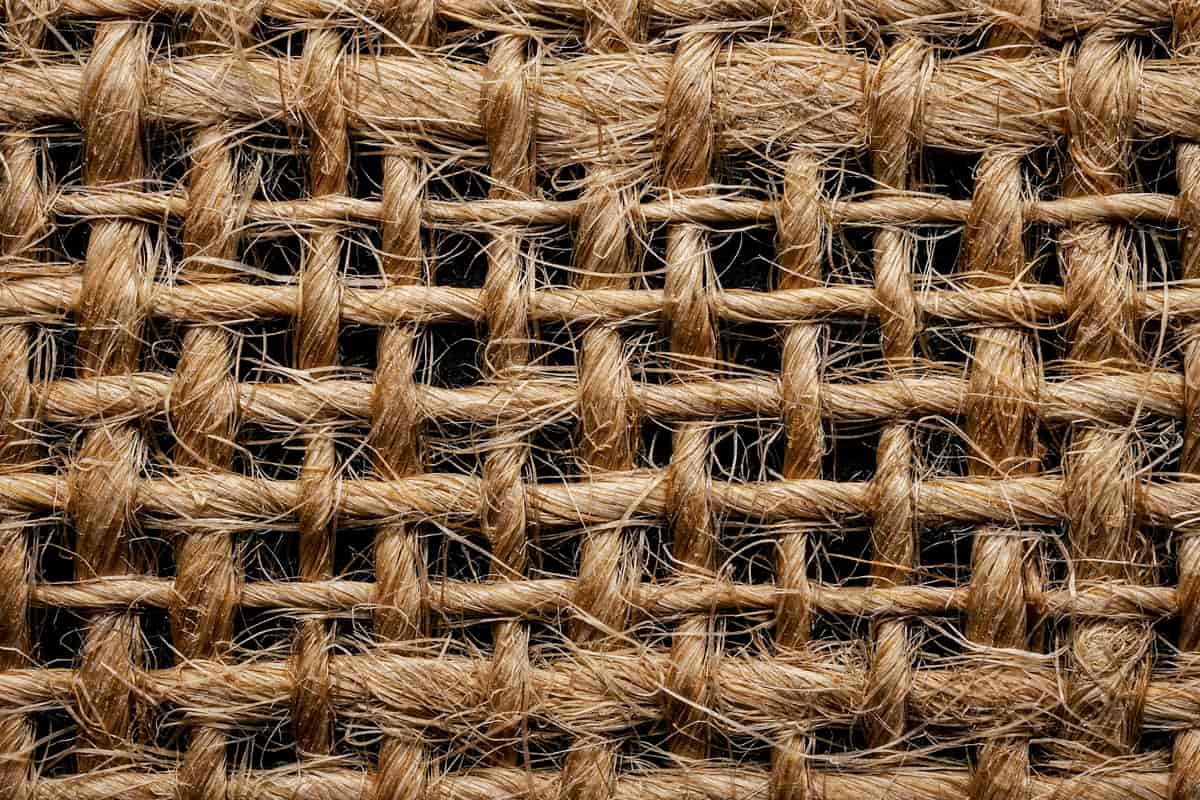 Safavieh Natural Fiber Jute RugThe cheap natural texture. Right when the budget is the binding constraint or the room's use is likely to change in a few years. | Natural texture on a budget | Handwoven jute over a cotton backing | |
| 2 | Safavieh Hand-Tufted Wool RugThe long-horizon purchase. Costs several times more and lasts many times longer, with softness and crimp recovery jute cannot approach. | Softness that lasts | Hand-tufted wool pile on a cotton backing |
The short answer
Wool costs several times more and lasts many times longer, so over a decade it is usually the cheaper rug per year as well as the better one. Jute wins when the budget is fixed, the room's use might change, or you specifically want that coarse natural texture that wool does not produce.
Cost per year, done honestly
A jute rug in a living room is realistically a three-to-five-year rug: it flattens, sheds early, and a single bad spill marks it permanently. A wool rug in the same room, with a pad, is a fifteen-to-twenty-year rug. Even at four times the purchase price, the wool rug's cost per year comes out lower — and at the end of that period the wool rug still has resale or repair value while the jute rug is landfill.
That argument only holds if you actually keep the rug. In a rental, a first apartment, or a room whose purpose will change, the shorter-horizon fiber is the rational choice rather than a compromise.
Side by side
| Jute | Wool | |
|---|---|---|
| Purchase price | Lowest | Several times higher |
| Realistic lifespan | 3-5 years under traffic | 15-20 years with a pad |
| Feel | Coarse | Soft, springy |
| Crush recovery | Poor — stays flat | Excellent — crimp springs back |
| Soil resistance | None | Natural, from lanolin |
| Water | Permanent brown staining | Cleanable with cool water |
| Shedding | Heavy for 4-6 weeks | Moderate for a few months (tufted) |
| Repairable | No | Yes, if hand-knotted |
Safavieh Natural Fiber Jute Rug
Natural texture on a budget
Illustrative photo of this rug type — not manufacturer imagery. Current product photos are on the Amazon listing.
The cheap natural texture. Right when the budget is the binding constraint or the room's use is likely to change in a few years.
What it is
- Handwoven jute with a cotton or canvas backing on most patterns
- Very wide size range including rounds and runners
- Undyed natural color plus bleached and overdyed options
What it does well
- The cheapest way into a genuine natural fiber rug rather than a jute-look print
- Texture hides crumbs and light traffic marks remarkably well
- Biodegradable at end of life, which almost nothing else in this list is
Don't buy it if
- It sheds heavily for roughly the first four to six weeks, then settles
- Jute and water do not get along — a wet spill left in it can leave a permanent brown ring
- Coarse underfoot. It is not a barefoot rug
The right rug for a dry, low-spill room where you want texture, and the wrong one anywhere near a kitchen sink.
Safavieh Hand-Tufted Wool Rug
Softness that lasts
Illustrative photo of this rug type — not manufacturer imagery. Current product photos are on the Amazon listing.
The long-horizon purchase. Costs several times more and lasts many times longer, with softness and crimp recovery jute cannot approach.
What it is
- Wool pile hand-tufted to a cotton backing
- Made in India across a large pattern catalog
- Cut pile, generally medium height
What it does well
- Wool springs back from furniture compression in a way no synthetic does
- Naturally flame-resistant and naturally soil-resistant thanks to the lanolin in the fiber
- With normal care it outlives every synthetic rug on this page several times over
Don't buy it if
- Sheds noticeably for the first few months — normal for a tufted wool rug, not a defect
- Hand-tufted rugs are glued, and the latex adhesive can break down after many years
- Costs several times what a comparable polypropylene rug costs
The long-horizon purchase in this category: expensive once rather than cheap repeatedly.
Where jute genuinely beats wool
- Texture. Jute's coarse irregular weave produces a look wool does not. If that texture is what you want, wool is not a substitute at any price.
- Warm neutral tone. Undyed jute has a warmth that undyed wool lacks.
- Budget certainty. Covering a large living room in jute costs a fraction of covering it in wool, and a large room is where that gap bites hardest.
- Biodegradability. Jute genuinely breaks down at end of life. Wool does too, but a tufted wool rug's latex backing does not.
- Low stakes. In a room where a rug might get ruined, ruining a cheap one is less painful.
The blend that resolves it
Jute-wool blends exist and are genuinely sensible: jute's texture and price with some of wool's softness and recovery. They are not common, and they are worth looking for if this comparison feels close. Alternatively, jute vs sisal is the more useful comparison if you have already settled on natural fiber.
Questions people actually ask
Is wool worth the extra over jute?
Over a decade, usually yes — the cost per year works out lower and the rug is better throughout. Over three years, jute is the rational choice.
Which is softer?
Wool, by a wide margin. Jute is a texture fiber rather than a comfort one.
Can jute be cleaned like wool?
No. Wool tolerates careful cool-water cleaning; jute browns permanently from water. They need completely different methods.
Which lasts longer under traffic?
Wool, several times over. Its natural crimp means the pile recovers from compression rather than staying flat.
Is jute better for the environment?
Jute is fast-growing and fully biodegradable. Wool is renewable and biodegradable too, though a tufted wool rug's latex backing is not.
Read next
- Jute RugsJute's real behavior — heavy early shedding, permanent water staining, the smell — and where it genuinely belongs.
- Wool RugsWhat wool physically does that synthetics cannot — crimp recovery and lanolin — and what that buys you.
- Jute vs SisalThe single trade-off that decides between the two natural fibers, mapped onto the rooms each belongs in.
- Wool vs Polyester RugsWhere wool's premium is justified against polyester, and the specific rooms where polyester is the better buy.
- The Best Rug Material for High TrafficThe two properties that decide high-traffic performance, the three fibers that have both, and why construction matters as much.
- Rug MaterialsWool, jute, sisal, polypropylene, cotton, viscose and the traditional weaves — compared on wear, feel, water and cost.