Rug Materials
The Best Rug Material for High Traffic
Two properties decide it — abrasion resistance and crush recovery — and only three fibers have both.
The short answer
Wool, dense low-pile polypropylene, and sisal. High traffic destroys rugs two ways — abrasion from grit and permanent crushing from footfall — and those three fibers resist both. Construction matters as much as fiber: dense and low beats soft and deep every time, and loop pile is out.
The two failure modes
Abrasion. Grit works down to the base of the pile and grinds against fibers with every footstep, cutting them from below. This is what actually wears a rug out, and it is why an entry mat that removes grit protects every other rug in the house.
Crushing. Repeated compression flattens the pile in the traffic lane. Flattened pile reflects light differently, which is why a worn path looks shiny and gray before any fiber has actually gone. Crush recovery is the property that prevents it, and wool is the only common fiber that has much of it.
Unique Loom Sofia Traditional Rug
Persian look, synthetic budget
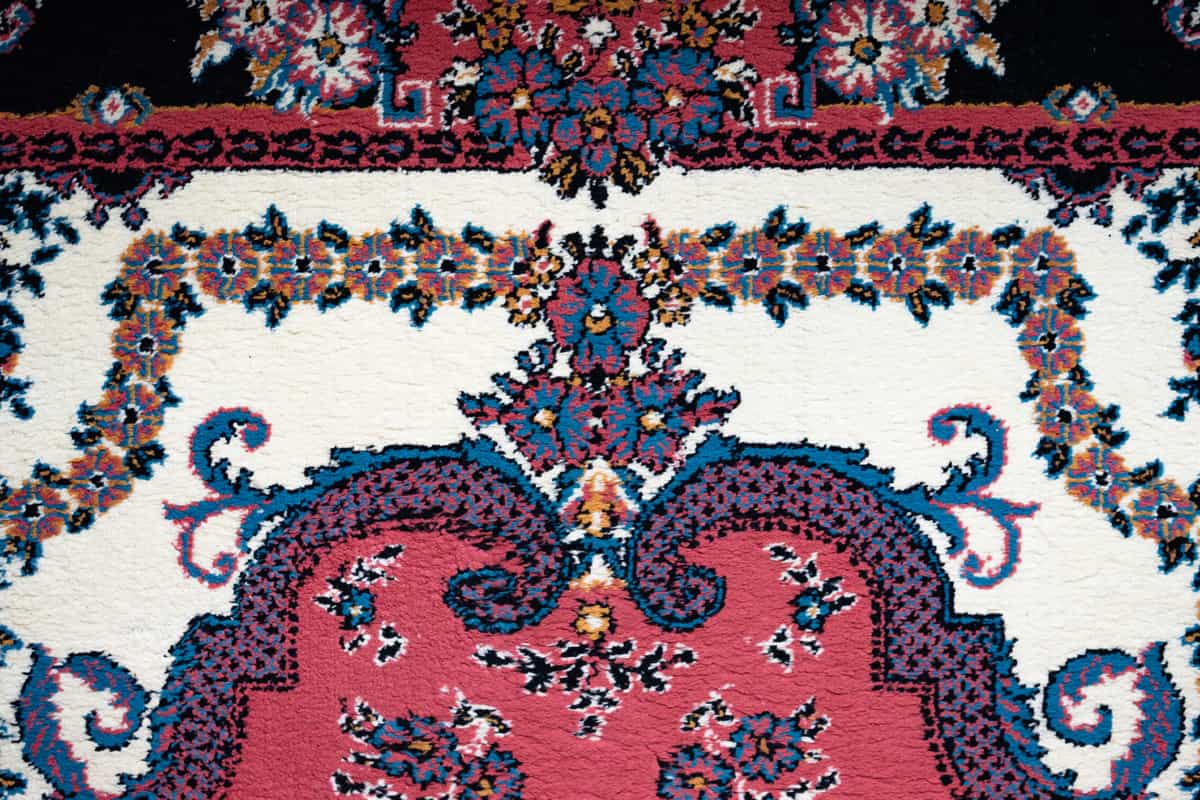
Illustrative photo of this rug type — not manufacturer imagery. Current product photos are on the Amazon listing.
Dense, solution-dyed and patterned — the value answer for a busy room. The pattern does as much work as the fiber by hiding the traffic lane that forms regardless.
What it is
- Machine-woven polypropylene with a jute-blend backing on most sizes
- Traditional Persian-style medallion and all-over patterns
- Very broad size range including runners and rounds
What it does well
- A convincing traditional look at a small fraction of the price of a wool equivalent
- Polypropylene is solution-dyed, so the busy pattern stays saturated for years
- Dense pattern is extraordinarily good at hiding traffic and pet hair
Don't buy it if
- Up close the synthetic sheen gives it away
- Pile crushes under heavy furniture and does not spring back the way wool does
- Not repairable in any meaningful sense — when it wears, it is finished
The honest answer for a busy room that wants a traditional pattern without an heirloom budget.
Safavieh Hand-Tufted Wool Rug
Buying once
Illustrative photo of this rug type — not manufacturer imagery. Current product photos are on the Amazon listing.
The premium answer. Crimp recovery is what stops a traffic lane becoming a permanent flattened path, and no synthetic matches it.
What it is
- Wool pile hand-tufted to a cotton backing
- Made in India across a large pattern catalog
- Cut pile, generally medium height
What it does well
- Wool springs back from furniture compression in a way no synthetic does
- Naturally flame-resistant and naturally soil-resistant thanks to the lanolin in the fiber
- With normal care it outlives every synthetic rug on this page several times over
Don't buy it if
- Sheds noticeably for the first few months — normal for a tufted wool rug, not a defect
- Hand-tufted rugs are glued, and the latex adhesive can break down after many years
- Costs several times what a comparable polypropylene rug costs
The long-horizon purchase in this category: expensive once rather than cheap repeatedly.
nuLOOM Natural Sisal Rug
Natural fiber
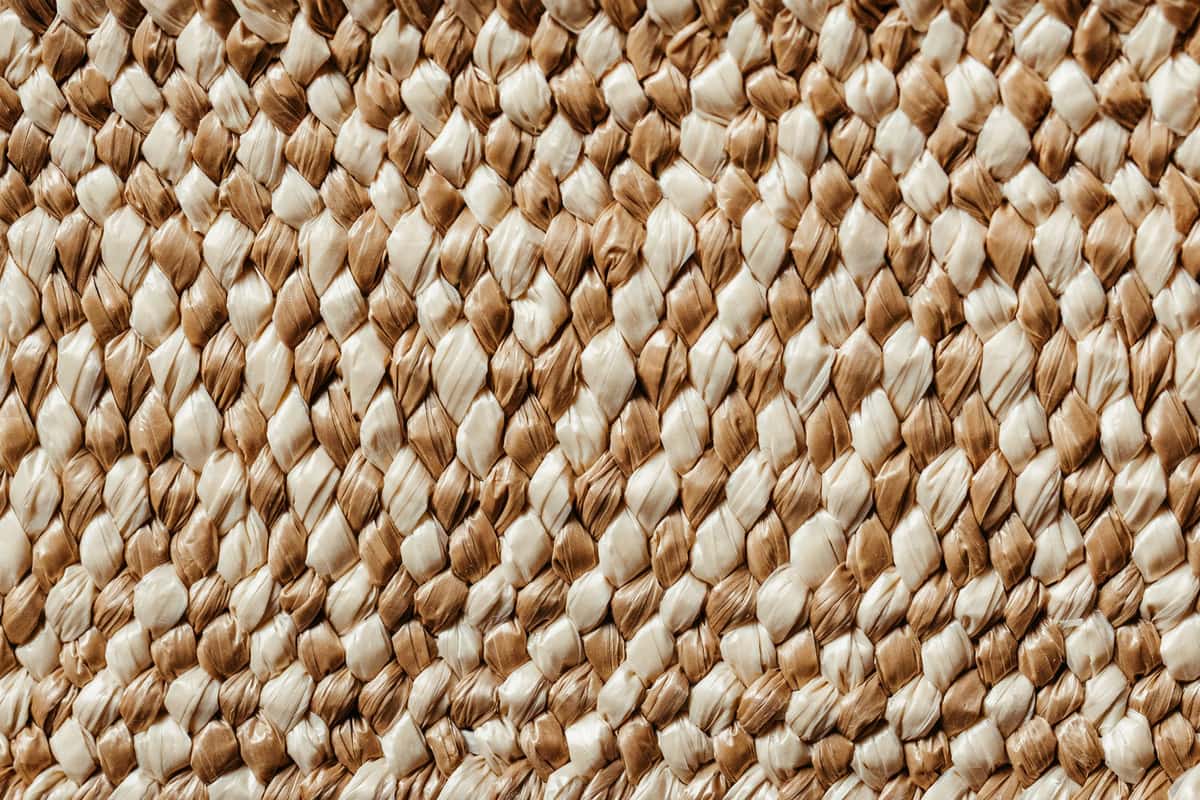
Illustrative photo of this rug type — not manufacturer imagery. Current product photos are on the Amazon listing.
The natural-fiber answer for traffic, with two conditions: keep it dry, and not in a house with a cat.
What it is
- Sisal is the hardest-wearing of the common natural rug fibers
- Tight flat weave with a backing to limit slip
- Natural and lightly dyed colorways
What it does well
- Substantially tougher than jute — it belongs in a hallway where jute does not
- The tight weave does not shed the way a braided jute does
- Holds its shape under furniture better than softer natural fibers
Don't buy it if
- Harsher than jute underfoot, and that is saying something
- Stains readily and cannot be wet-cleaned without risking the fiber
- Expands and contracts with humidity, so it can ripple in a damp season
Choose sisal over jute whenever feet, shoes or chair legs move across it daily.
Ottomanson Flatweave Runner
Hallways specifically
Illustrative photo of this rug type — not manufacturer imagery. Current product photos are on the Amazon listing.
For the highest-traffic strip in most homes — a hallway — a dense bonded-back flatweave in polypropylene is both the cheapest and among the most durable answers.
What it is
- Rubber backing bonded to the rug — no separate pad needed
- Cut-to-length runners in many lengths
- Very low profile, under a quarter inch
What it does well
- The backing means it stays put on tile and laminate without a pad
- Low enough that an interior door still clears it
- Available in awkward lengths standard sizing does not cover
Don't buy it if
- Rubber backings can discolor vinyl plank flooring over time — check the fiber before laying it on LVP
- Firm and thin; comfort is not part of the proposition
- The backing eventually hardens and cracks after several years
The most practical hallway runner in the set, with one real caveat about which floor you put it on.
Fibers ranked for traffic
| Fiber | Abrasion | Crush recovery | Verdict |
|---|---|---|---|
| Wool | Excellent | Excellent | Best overall, at a price |
| Polypropylene, dense low pile | Very good | Moderate | Best value |
| Sisal | Very good | Good (no pile to crush) | Good if dry, and no cats |
| Nylon | Outstanding | Very good | Rare in area rugs; excellent if found |
| Polyester | Moderate | Poor | Flattens quickly |
| Cotton | Poor | Poor | Wrong fiber for traffic |
| Jute | Poor | Poor | Wrong fiber for traffic |
| Viscose | Very poor | Very poor | Never |
Construction matters as much as fiber
- Dense beats sparse. Fiber packed tightly supports itself; sparse pile bends over and abrades at the bend. Density is hard to read from a listing — a heavier rug of the same size and fiber is usually the denser one.
- Low beats deep. A short pile has less leverage to bend and crush. Deep pile in a hallway is a mistake at any price.
- Cut, not loop. Loop pile catches on claws, casters and heels, and a pulled loop runs. In a traffic area this matters even without pets.
- Flatweave sidesteps crushing entirely. No pile means nothing to flatten, which is why kilims work so well in dining rooms and offices.
The two things that extend any rug's life
A pad, because most wear happens from underneath where grit grinds against the backing — see rug pads. And rotating the rug once or twice a year, which moves the traffic lane and spreads the wear across a wider area. Between them they do more than upgrading a fiber tier.
Questions people actually ask
What is the most durable rug material?
Nylon, then wool, then sisal and dense polypropylene. Nylon is rare in area rugs, so wool and polypropylene are the realistic answers.
Is wool or synthetic better for a hallway?
Wool performs better and costs far more. Dense low-pile polypropylene is the value answer and is genuinely good in a hallway.
Does pile height affect durability?
Substantially. Low dense pile resists crushing and abrasion far better than deep pile, which bends over and wears at the bend.
Why does my rug have a shiny worn path?
The pile is crushed rather than worn away. Flattened fibers reflect light differently. Rotating the rug and choosing a crush-recovering fiber prevents it.
Does a rug pad really extend rug life?
Yes, meaningfully. It absorbs the grinding between grit and the rug's backing, which is where much of the real wear happens.
Read next
- Wool RugsWhat wool physically does that synthetics cannot — crimp recovery and lanolin — and what that buys you.
- Polypropylene RugsWhy solution-dyeing and water repellency make polypropylene the default budget and outdoor fiber — and its real limits.
- The Best Rugs for Pets and High TrafficRugs that survive dogs, cats and constant footfall — the fibers, the pile, and the one construction to avoid.
- Rug PadsWhat a pad does, the four constructions, and how to match one to hardwood, vinyl, tile or carpet.
- Hallway RunnersHallway runners that stay put under directional traffic, in constructions that survive the busiest floor in the house.
- Rug MaterialsWool, jute, sisal, polypropylene, cotton, viscose and the traditional weaves — compared on wear, feel, water and cost.