Rug Sizes & Pads
Throw Rugs
The easiest rug to buy, and the easiest one to slide out from under yourself. Both halves of that matter.
Heads up: we earn a commission when you buy through links on this page, at no extra cost to you. It never changes which rug we put first — see how we choose and our affiliate disclosure.
Quick picks
The whole answer, before the detail. Tap any row to jump to that rug's full write-up further down the page.
| # | Rug | Best for | Construction | Price |
|---|---|---|---|---|
| 1 |  Maples Rugs Florence Accent RugThe backing is the reason it leads. A small rug is only dangerous when it moves, and this one arrives with the non-skid layer bonded to the rug instead of depending on a pad you have to buy separately, cut to size, and actually get around to. | A small rug that stays put | Printed nylon pile bonded to a non-skid backing | |
| 2 |  Lahome Washable Accent RugThe one to buy for the spot that gets dirty faster than it gets admired. It is thin, it is cheap, and it goes in the machine every week — which is worth more at a kitchen sink than anything plush. | Kitchens and back doors | Ultra-thin printed low-pile surface, machine washable | |
| 3 |  Gorilla Grip Chenille Bath RugThe best-grip small rug in the roundup, because a bath mat has to work on wet tile. The 24-by-17 and 30-by-20 sizes are throw-rug sized, and nothing stops the bedside version of the same mat working beside a bed. | Bathrooms and bedsides | Chenille microfiber pile on a TPR rubber backing | |
| 4 | 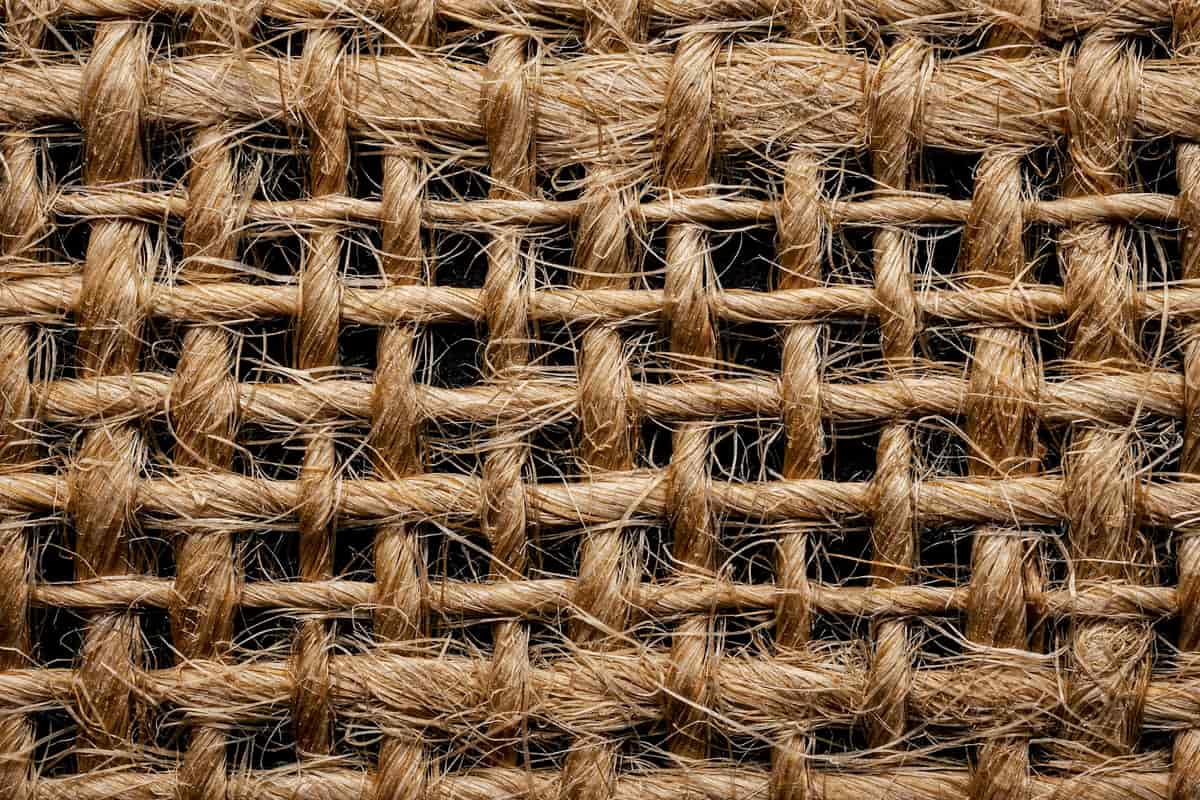 Safavieh Natural Fiber Jute RugThe natural-fiber answer at 2x3. The jute-and-coir weave has real texture in a size where most rugs are a printed sheet, and it is the only pick here you would put in a room to be looked at rather than stood on. | Texture at 2x3 | Handwoven jute over a cotton backing | |
| 5 | 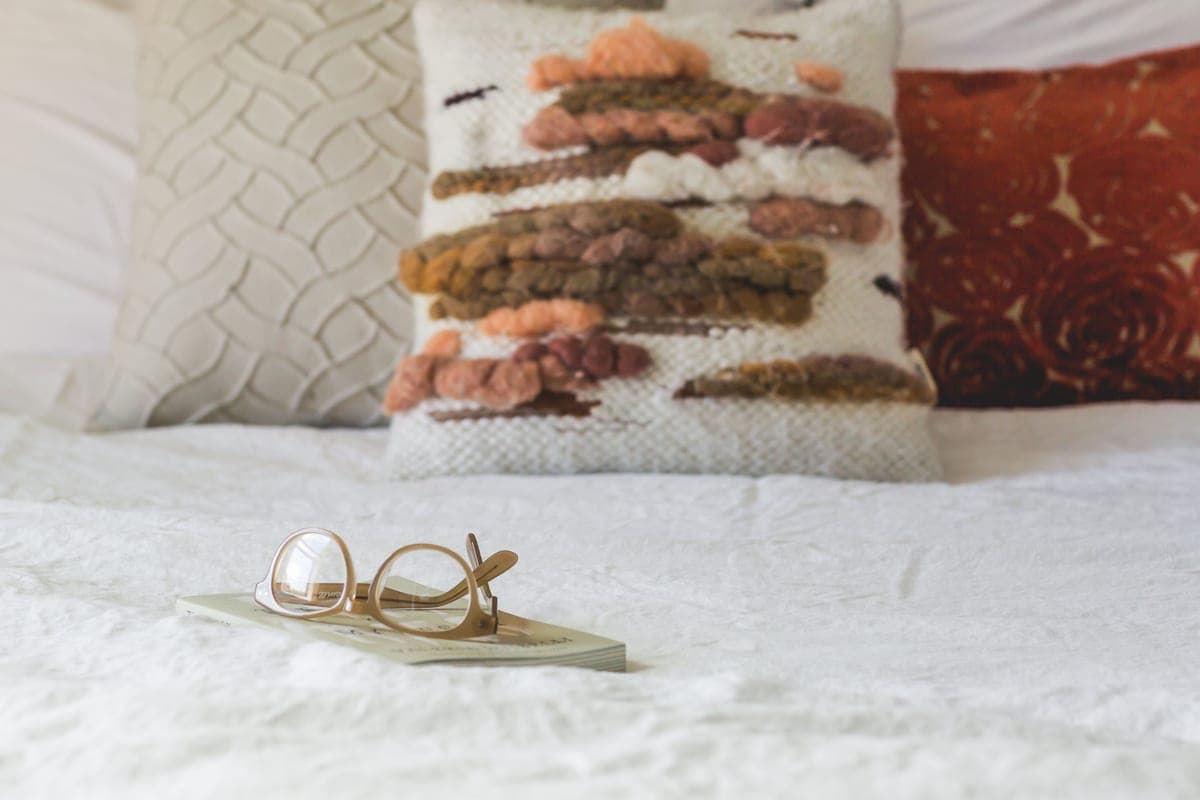 nuLOOM Moroccan Shag RugStocked in a 2x3 accent size, which most shag lines are not. This is the pick for the strip of floor your bare feet land on first thing, and the wrong pick for anywhere a chair rolls or a door swings. | Bare feet | Machine-woven polypropylene shag, high pile | |
| 6 | 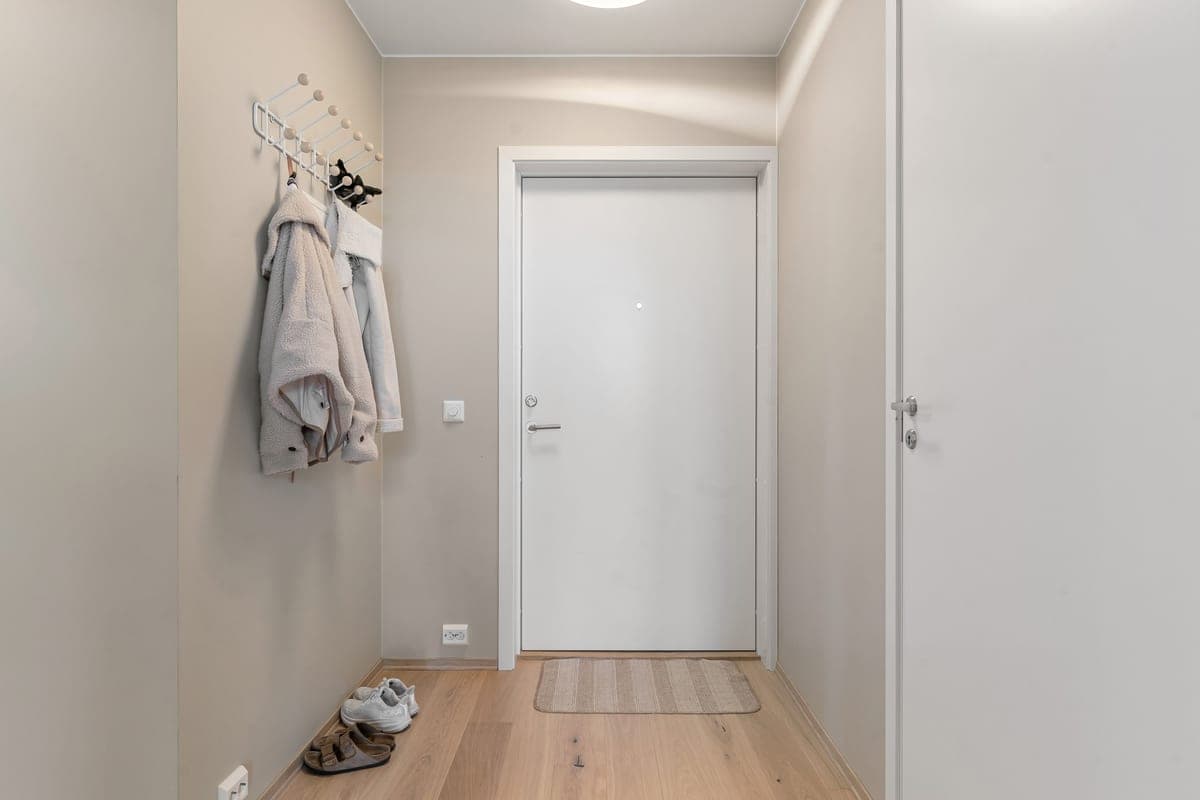 iCustomRug Entryway MatThe unglamorous one. Its smallest size is a 3x4, it holds grit rather than pushing it further into the house, and it is the reason a nicer rug one step further in survives the winter. | Inside the front door | Heavy-duty synthetic pile with a rubber back |
The short answer
A throw rug is a small loose rug, usually 2x3 up to 4x6. Buy one for a specific job — beside a bed, in front of a sink, inside a door — not to fill empty floor. Every loose small rug needs a bonded non-slip backing or a pad underneath it.
What a throw rug is, and what it is not
Throw rug, accent rug and scatter rug all describe the same thing: a small rug, roughly 2x3 at the bottom and about 4x6 at the top, that is not sized to anchor furniture. That last part is the whole distinction. An area rug is sized to a furniture group — the front legs of every seat sit on it. A throw rug is sized to a task: the two square feet you stand on, the strip your feet land on, the patch of floor that takes the dirt.
Almost every throw-rug regret comes from asking one to do an area rug's job. A 2x3 dropped in the middle of a living room does not read as a rug at all; it reads as something that fell there. If the room looks unfinished, the fix is a bigger rug, not a small one.
| Size | What it genuinely fits | Where it fails |
|---|---|---|
| 2 x 3 | Beside a bed, in front of a sink, inside a door, under a desk chair | Anywhere you want a furniture leg on it |
| 2 ft 6 in x 3 ft 10 in | Galley kitchens, entry halls, laundry floors — the common printed-accent size | Under a table; it will not clear a pulled-out chair |
| 3 x 5 | A bedside with a nightstand on it, a small entry, a vanity | A seating group of any size |
| 4 x 6 | A reading corner, under a coffee table alone, a nursery play patch | A full living room — see 5x7 rugs for the smallest size that anchors one |
How we chose
Small rugs are sold on the picture, which is exactly backwards. The criteria below are in the order that decides whether you keep the thing.
- Backing first. A bonded non-slip back means the rug is safe out of the box. No backing means you are also buying a pad, and the rug is unsafe until you do.
- Genuinely washable. Small is only an advantage if you can pick the rug up and put it in a home machine. That rules out anything too heavy wet, and anything whose backing cannot survive the cycle.
- Fiber matched to the job. Nylon and polypropylene for abrasion and water. Chenille where absorbency matters. Jute where nothing gets wet.
- Thickness measured against the door and the toe. A small rug sits in a doorway more often than a big one does, and a proud edge in a doorway is what people catch.
- The size is really stocked. Small sizes are the first thing a line drops. Every pick here is currently sold in a size a person would call small.
We have not tested these rugs and do not claim to have. Picks come from published construction specifications and what each fiber can be relied on to do — the full method, including what we deliberately do not do, is set out in how we choose.
Maples Rugs Florence Accent Rug
A small rug that stays put
Illustrative photo of this rug type — not manufacturer imagery. Current product photos are on the Amazon listing.
The backing is the reason it leads. A small rug is only dangerous when it moves, and this one arrives with the non-skid layer bonded to the rug instead of depending on a pad you have to buy separately, cut to size, and actually get around to.
What it is
- Nylon pile, printed rather than woven, on a bonded non-skid backing
- Maples lists its accent rugs as machine washable on a gentle cycle
- Sold in the two accent sizes: 1 ft 8 in by 2 ft 10 in, and 2 ft 6 in by 3 ft 10 in
- Made in the USA
What it does well
- The backing is bonded, not a separate pad, so there is nothing to buy or trim before the rug is safe to walk on
- Nylon is the most abrasion-resistant of the common rug fibers, which is what a doorway or a sink mat is up against
- Low profile enough to clear a door that swings over it
Don't buy it if
- The pattern is printed on the surface, so it wears visibly in the one spot you always step on
- Bonded non-skid backings stiffen and eventually crumble with age and heat — keep it out of a hot dryer
- Two sizes only. If you want 3x5 or 4x6, this line does not go there
The small rug to buy when the thing you actually want is grip: the non-skid backing is part of the rug rather than an accessory you might not get around to.
Lahome Washable Accent Rug
Kitchens and back doors
Illustrative photo of this rug type — not manufacturer imagery. Current product photos are on the Amazon listing.
The one to buy for the spot that gets dirty faster than it gets admired. It is thin, it is cheap, and it goes in the machine every week — which is worth more at a kitchen sink than anything plush.
What it is
- Listed at roughly 0.3 in thick — thin enough to sit under a door or a furniture leg
- Machine washable, and light enough to carry to the machine one-handed
- Widely stocked at 2x3 and 3x5
- Backing varies by variant: some are non-slip coated, the woven cotton versions have no backing at all
What it does well
- The thinness is the feature — no lip to catch a toe, no door that has to be lifted over it
- Cheap enough per rug that you can keep a second one in rotation while the first is in the wash
- Prints and colorways turn over quickly, so it does not look like the rug everyone else has
Don't buy it if
- There is nothing underfoot. Thin is comfortable to nobody
- The non-slip coating is a surface treatment and it gets less grippy with each wash
- Backing and construction differ between listings under the same brand — read the specific variant, not the brand
The right answer where a small rug gets dirty faster than it gets admired: a kitchen sink, a back door, a laundry floor.
Gorilla Grip Chenille Bath Rug
Bathrooms and bedsides
Illustrative photo of this rug type — not manufacturer imagery. Current product photos are on the Amazon listing.
The best-grip small rug in the roundup, because a bath mat has to work on wet tile. The 24-by-17 and 30-by-20 sizes are throw-rug sized, and nothing stops the bedside version of the same mat working beside a bed.
What it is
- Thermoplastic rubber (TPR) backing rather than latex
- Thick chenille microfiber pile, close to an inch
- Machine washable, many size options
What it does well
- The TPR backing grips wet tile better than a latex-backed mat
- Chenille absorbs faster than a woven cotton mat of the same size
- Survives weekly washing without the backing flaking, which is where cheap mats fail
Don't buy it if
- Thick pile takes a long time to dry in a bathroom with poor ventilation
- The pile mats down if it is not shaken out between washes
- The rubber backing should not go in a hot dryer
The default bath mat: it grips, it absorbs, and it survives the wash cycle that kills its competitors.
Safavieh Natural Fiber Jute Rug
Texture at 2x3
Illustrative photo of this rug type — not manufacturer imagery. Current product photos are on the Amazon listing.
The natural-fiber answer at 2x3. The jute-and-coir weave has real texture in a size where most rugs are a printed sheet, and it is the only pick here you would put in a room to be looked at rather than stood on.
What it is
- Handwoven jute with a cotton or canvas backing on most patterns
- Very wide size range including rounds and runners
- Undyed natural color plus bleached and overdyed options
What it does well
- The cheapest way into a genuine natural fiber rug rather than a jute-look print
- Texture hides crumbs and light traffic marks remarkably well
- Biodegradable at end of life, which almost nothing else in this list is
Don't buy it if
- It sheds heavily for roughly the first four to six weeks, then settles
- Jute and water do not get along — a wet spill left in it can leave a permanent brown ring
- Coarse underfoot. It is not a barefoot rug
The right rug for a dry, low-spill room where you want texture, and the wrong one anywhere near a kitchen sink.
nuLOOM Moroccan Shag Rug
Bare feet
Illustrative photo of this rug type — not manufacturer imagery. Current product photos are on the Amazon listing.
Stocked in a 2x3 accent size, which most shag lines are not. This is the pick for the strip of floor your bare feet land on first thing, and the wrong pick for anywhere a chair rolls or a door swings.
What it is
- High-pile shag in polypropylene rather than wool
- Diamond trellis pattern that has been the category default for a decade
- Sizes from accent to oversized
What it does well
- Genuinely soft for a synthetic, which is what a bedside rug needs to be
- Cheap enough to replace on a five-year cycle without pain
- Deep pile swallows the small debris a bedroom generates
Don't buy it if
- High pile is miserable to vacuum and worse with a pet in the house
- Crushes permanently under a bed leg
- The trellis pattern is everywhere, so the room will not look distinctive
Right for the two feet beside a bed. Wrong anywhere a chair, a door or a vacuum has to cross it.
iCustomRug Entryway Mat
Inside the front door
Illustrative photo of this rug type — not manufacturer imagery. Current product photos are on the Amazon listing.
The unglamorous one. Its smallest size is a 3x4, it holds grit rather than pushing it further into the house, and it is the reason a nicer rug one step further in survives the winter.
What it is
- Dense synthetic pile built for scraping shoes
- Rubber backing
- Dark colorways
What it does well
- Dense enough to actually remove grit rather than just sit there looking like a mat
- Dark colors are the correct choice for the dirtiest square meter in the house
- The rubber back keeps it flat under a swinging door
Don't buy it if
- Needs a real beating to clean — a vacuum alone will not clear it
- Aesthetically it is a doormat and looks like one
- Not suitable outside an exposed door; it holds water
Buy the ugly effective one for the inside of the front door and a nicer rug one step further in.
The part the product listings leave out
A loose small rug on a hard floor is one of the few pieces of home furnishing that turns up on public-health checklists as a hazard in its own right. The CDC's home fall-prevention checklist for older adults asks outright whether there are throw rugs on the floor, and the instruction attached to it is to remove them, or to use double-sided tape or a non-slip backing so they will not slip.
That is not a reason to avoid small rugs. It is a reason to buy the securing method at the same time as the rug, and there are three, in descending order of how well they work:
- A backing bonded to the rug. Nothing to install, nothing to forget. This is why it is the first selection criterion above.
- A thin grip pad cut to size. The right answer for any woven, jute or cotton small rug, which will otherwise slide. Open-mesh pads give grip at a couple of millimeters, so they fit under a door. See non-slip rug pads.
- Double-sided tape. It works and the CDC names it, but it leaves residue and can lift a floor finish when you pull it up. Treat it as the fix for a rug you already own rather than the plan for one you are buying.
Backings, and which floor each one belongs on
| Backing | How it holds | What to watch |
|---|---|---|
| Bonded latex or rubber | Sprayed or laminated onto the back of the rug | Stiffens and crumbles with age; a hot dryer accelerates it |
| TPR (thermoplastic rubber) | Molded grippy back; the standard on bath mats | Grips wet tile well, but should not go through a hot dry cycle |
| PVC or vinyl-backed | Cheap and effective on mass-market mats | Can mark vinyl plank — see rug pad for vinyl plank |
| None (woven cotton, jute, flatweave) | It does not hold. It slides | Budget for a pad in the same order, not later |
On hardwood the pad question is the same as it is for a big rug, just cheaper to answer: felt bonded to natural rubber, which grips without reacting with the floor finish. Buy one pad in a larger size and cut small rug pads out of it with household scissors — every felt pad cuts. The detail is in rug pads for hardwood floors.
Where a small rug earns its place
- Beside the bed. A soft landing on both sides without committing to a rug big enough to go under the bed. The cheapest fix in the whole bedroom rug problem.
- In front of the sink. The spot you stand at longest and the spot that gets wettest. Washability matters more here than anything else.
- Inside the front door. Grit is what wears rugs out, and it comes in on shoes. A mat that holds it is doing work for every other floor in the house.
- In the bathroom. Absorbency plus a rubber back, washed weekly. See the best rugs for a bathroom.
- Layered on top of a bigger rug or on carpet. A small rug over carpet needs a dense felt pad, no rubber — the reasons are in are washable rugs good on carpet.
- Under a desk chair, with the caveat that casters chew pile. Choose the flattest weave you can find or use a hard mat instead.
Washing it is the point of buying small
The whole argument for a small rug is that one person can pick it up. Use that. A rug that gets washed monthly outlives a bigger one that gets professionally cleaned never, and small rugs live in the four dirtiest places in a house.
Two rules cover nearly every machine-washable small rug: wash cold on a gentle cycle, and keep heat away from the backing. Heat is what destroys latex, TPR and PVC backs — not the washing. Air dry flat or over a rail, and shake a chenille pile out before it dries so it does not set matted. Jute is the exception that breaks the pattern entirely: never put it in a machine, because water is what ruins it. The method for that one is in how to clean a jute rug, and the general case is in how to clean an area rug.
When a small rug is the wrong purchase
If what you actually want is for the room to look finished, a throw rug will not do it, and buying two of them will make it worse. The size that starts anchoring furniture in a small room is a 5x7, and in a normal living room it is an 8x10. Small rugs are for tasks. Rooms need area rugs, and the money is better spent once.
Questions people actually ask
What size is a throw rug?
Usually 2x3 to 4x6. Below that it is a mat; above it, at 5x7 and up, a rug starts being able to anchor furniture and is sold as an area rug instead.
Do throw rugs need a rug pad?
Yes, unless the rug has a non-slip backing bonded to it. A woven cotton, jute or flatweave small rug will slide on a hard floor and should be bought with a pad in the same order.
Are throw rugs a trip hazard?
An unsecured one is. The CDC's home fall-prevention checklist for older adults asks about throw rugs directly and advises removing them or using double-sided tape or a non-slip backing. A rug that cannot move, with an edge that lies flat, is a different object.
Can you put a throw rug on top of carpet?
Yes, with a dense felt pad and no rubber layer. Rubber does nothing on carpet and can mark it. The rug still creeps more on carpet than on a hard floor, so check the edges periodically.
Can throw rugs go in the washing machine?
Most synthetic and chenille ones can: cold water, gentle cycle, air dry. Heat is what kills a latex or rubber backing, not the wash. Jute and other natural-fiber small rugs must never go in a machine.
What is the difference between a throw rug and an area rug?
Size and purpose. A throw rug is sized to a task — a bedside, a sink, a doorway. An area rug is sized to a furniture group and is meant to sit under at least the front legs of the seating.
Sources
Read next
- 5x7 RugsWhere a 5x7 works, where it floats, and the one practical advantage it has over every larger size.
- Non-Slip Rug PadsWhy rugs slide, which pad constructions genuinely hold, and the thin options for tight door clearances.
- Round RugsHow to size a round rug to a round table, and the placements where a circle beats a rectangle.
- The Best Rugs for an EntrywayEntry rugs that actually scrape grit off shoes, why dark wins, and the two-mat system that protects the rest of the house.
- The Best Rugs for a BathroomBath rugs that grip wet tile, absorb fast and survive weekly washing — and the backing that decides all three.
- Rug Sizes & PadsSize charts by room and bed, the 8x10 vs 9x12 decision, placement rules, and the right pad for hardwood, vinyl or carpet.