Rugs by Room
Hallway Runners
A hallway takes more footfall than any room it connects. Here is what survives it, and what stops the rug walking away.
Heads up: we earn a commission when you buy through links on this page, at no extra cost to you. It never changes which rug we put first — see how we choose and our affiliate disclosure.
Quick picks
The whole answer, before the detail. Tap any row to jump to that rug's full write-up further down the page.
| # | Rug | Best for | Construction | Price |
|---|---|---|---|---|
| 1 | Ottomanson Flatweave RunnerThe right answer for most hallways: bonded rubber backing that does not creep, a profile low enough for door clearance, and lengths that fit real corridors. Firm underfoot and the backing eventually hardens after several years. | Hallways | Flatwoven polypropylene, bonded rubber backing | |
| 2 | 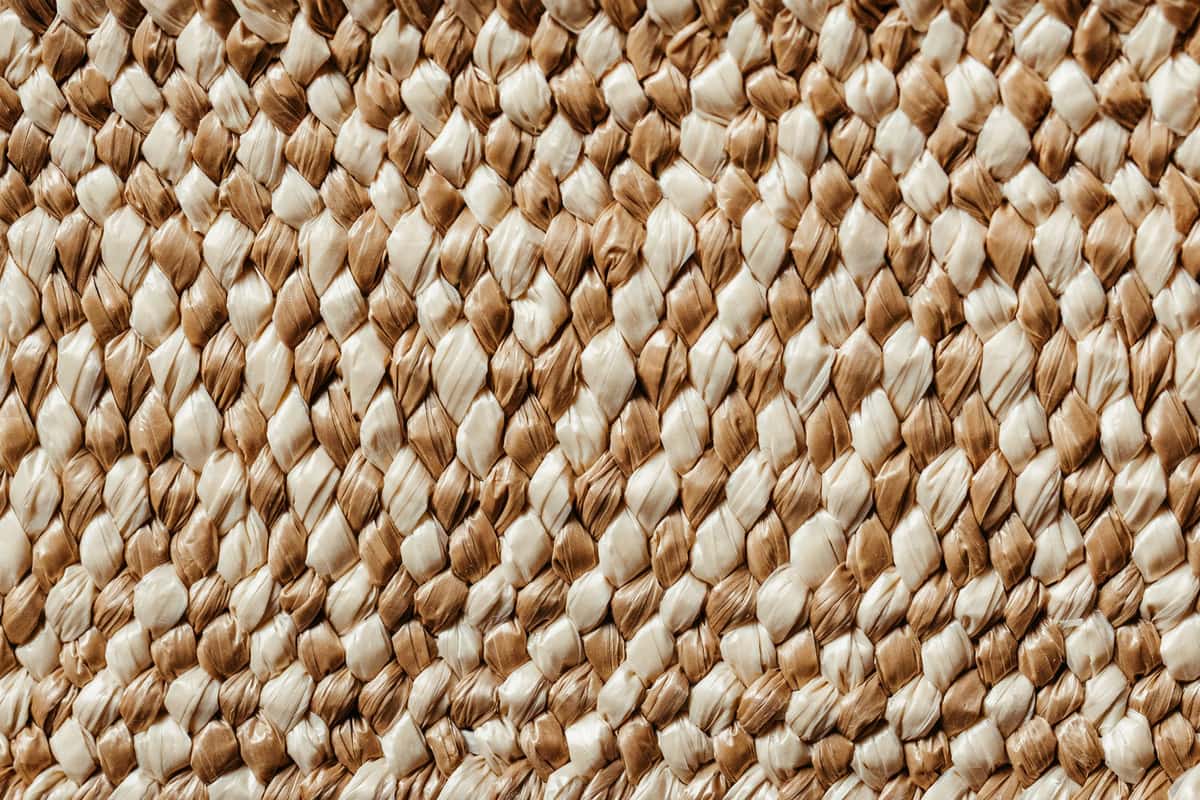 nuLOOM Natural Sisal RugThe natural fiber that belongs in a hallway. Sisal is substantially tougher than jute and its tight weave does not shed. Keep it away from a door where water comes in. | Natural fiber | Woven sisal with a latex or cotton backing | |
| 3 | 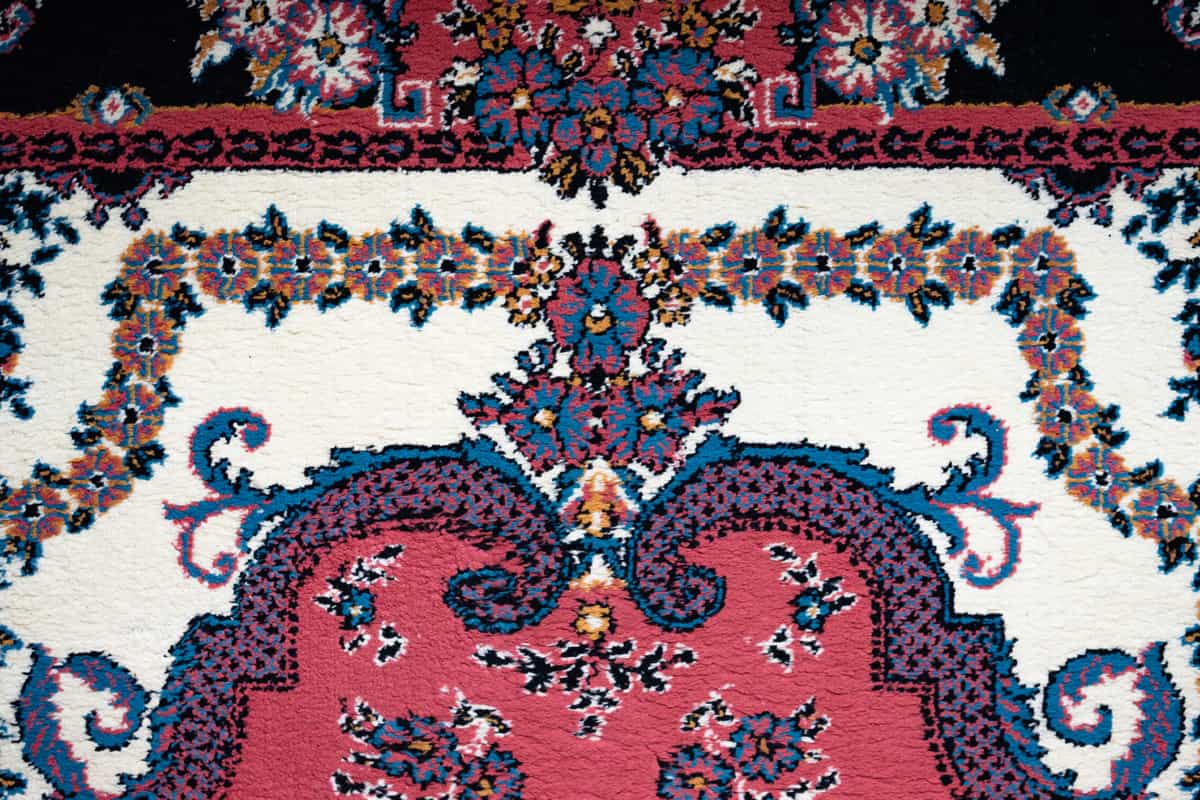 Unique Loom Sofia Traditional RugA dense traditional pattern is the best traffic-concealer available, and hallways are where concealment matters most. Available in runner dimensions across a very wide length range. | Hiding traffic | Machine-woven polypropylene, traditional patterns |
The short answer
Choose a low-profile flatweave with a bonded rubber backing, 2 to 2 foot 6 wide in a standard hallway, stopping 6 to 12 inches short at each end. A hallway's defining problem is directional traffic, which makes runners creep — a bonded backing solves that better than any pad.
The creep problem
In a room, footfall lands in many directions and roughly cancels out. In a corridor every step pushes the same way, so a runner walks steadily toward one end. Over a few weeks it will be visibly askew, and straightening it becomes a daily chore.
A rug-plus-pad setup has two interfaces where slipping can happen: rug on pad, pad on floor. A bonded backing removes one of them entirely, which is why it holds where a separate pad does not. This is also the reason two-piece washable systems struggle in hallways — the cover migrates off the pad.
Ottomanson Flatweave Runner
Hallways
Illustrative photo of this rug type — not manufacturer imagery. Current product photos are on the Amazon listing.
The right answer for most hallways: bonded rubber backing that does not creep, a profile low enough for door clearance, and lengths that fit real corridors. Firm underfoot and the backing eventually hardens after several years.
What it is
- Rubber backing bonded to the rug — no separate pad needed
- Cut-to-length runners in many lengths
- Very low profile, under a quarter inch
What it does well
- The backing means it stays put on tile and laminate without a pad
- Low enough that an interior door still clears it
- Available in awkward lengths standard sizing does not cover
Don't buy it if
- Rubber backings can discolor vinyl plank flooring over time — check the fiber before laying it on LVP
- Firm and thin; comfort is not part of the proposition
- The backing eventually hardens and cracks after several years
The most practical hallway runner in the set, with one real caveat about which floor you put it on.
nuLOOM Natural Sisal Rug
Natural fiber
Illustrative photo of this rug type — not manufacturer imagery. Current product photos are on the Amazon listing.
The natural fiber that belongs in a hallway. Sisal is substantially tougher than jute and its tight weave does not shed. Keep it away from a door where water comes in.
What it is
- Sisal is the hardest-wearing of the common natural rug fibers
- Tight flat weave with a backing to limit slip
- Natural and lightly dyed colorways
What it does well
- Substantially tougher than jute — it belongs in a hallway where jute does not
- The tight weave does not shed the way a braided jute does
- Holds its shape under furniture better than softer natural fibers
Don't buy it if
- Harsher than jute underfoot, and that is saying something
- Stains readily and cannot be wet-cleaned without risking the fiber
- Expands and contracts with humidity, so it can ripple in a damp season
Choose sisal over jute whenever feet, shoes or chair legs move across it daily.
Unique Loom Sofia Traditional Rug
Hiding traffic
Illustrative photo of this rug type — not manufacturer imagery. Current product photos are on the Amazon listing.
A dense traditional pattern is the best traffic-concealer available, and hallways are where concealment matters most. Available in runner dimensions across a very wide length range.
What it is
- Machine-woven polypropylene with a jute-blend backing on most sizes
- Traditional Persian-style medallion and all-over patterns
- Very broad size range including runners and rounds
What it does well
- A convincing traditional look at a small fraction of the price of a wool equivalent
- Polypropylene is solution-dyed, so the busy pattern stays saturated for years
- Dense pattern is extraordinarily good at hiding traffic and pet hair
Don't buy it if
- Up close the synthetic sheen gives it away
- Pile crushes under heavy furniture and does not spring back the way wool does
- Not repairable in any meaningful sense — when it wears, it is finished
The honest answer for a busy room that wants a traditional pattern without an heirloom budget.
Hallways are the highest-traffic floor in a house
Every trip between rooms crosses the hallway, so it can take several times the footfall of the rooms at either end. That changes the fiber calculation: comfort is irrelevant and abrasion resistance is everything. Dense low pile in a tough fiber, in a mid-tone pattern that hides the wear lane.
| Fiber | Hallway verdict |
|---|---|
| Polypropylene, dense low pile | Excellent — cheap, tough, solution-dyed |
| Wool, flatweave or low pile | Excellent — recovers from compression, looks best |
| Sisal | Very good — tough, but keep it dry |
| Jute | Poor — too soft, and sheds heavily |
| Polyester | Moderate — crushes and holds oily soil |
| Viscose | Never — water marks it and traffic destroys it |
Length and the clearance rule
Stop 6 to 12 inches short of the wall at each end. A runner that reaches the wall reads as failed wall-to-wall carpet, and it also means the vulnerable end of the runner is right where a door swings. If your hallway is longer than available runner lengths, two runners with a visible gap between them looks deliberate; one runner plus a small offcut does not.
Curled ends are a trip hazard
The ends of a hallway runner are where curling starts, because they take the most flexing from directional traffic. A bonded backing resists it; an unbacked runner on a pad will curl unless the pad is sized to within an inch of the edge. In a hallway this is a safety matter rather than a cosmetic one — it is the part of the house people move through fastest.
Questions people actually ask
How do I stop a hallway runner moving?
Buy one with a bonded rubber backing rather than using a separate pad. Directional traffic exploits any interface between two layers.
What width runner for a standard hallway?
2 foot to 2 foot 6 in a 3-foot hallway, leaving 4 to 6 inches of floor visible on each side.
What is the most durable hallway runner material?
Dense low-pile polypropylene for value, or wool if budget allows. Both handle the abrasion a hallway produces.
Can I use two runners in a long hallway?
Yes, with a deliberate gap between them. Two matching runners looks considered; one runner plus a short offcut does not.
Are washable runners good for hallways?
One-piece washable runners are fine. Two-piece cover-and-pad systems creep under directional traffic and are the wrong choice here.
Read next
- Runner RugsRunners for hallways, kitchens, bedsides and stairs — widths, clearance rules and which backing suits which floor.
- The Best Rugs for an EntrywayEntry rugs that actually scrape grit off shoes, why dark wins, and the two-mat system that protects the rest of the house.
- The Best Rug Material for High TrafficThe two properties that decide high-traffic performance, the three fibers that have both, and why construction matters as much.
- Washable Runner RugsWashable runners for hallways, kitchens and bedsides — widths, backings, and why a bonded back beats a two-piece system here.
- Sisal RugsSisal's real strengths and its three real problems: humidity rippling, staining, and what cats do to it.
- Rugs by RoomLiving room, bedroom, kitchen, bathroom, entryway, stairs and runners — the fiber, size and pile each room actually needs.