Washable Rugs
Washable Runner Rugs
The one washable format that fits any washing machine — and the one place two-piece systems are the wrong answer.
Heads up: we earn a commission when you buy through links on this page, at no extra cost to you. It never changes which rug we put first — see how we choose and our affiliate disclosure.
Quick picks
The whole answer, before the detail. Tap any row to jump to that rug's full write-up further down the page.
| # | Rug | Best for | Construction | Price |
|---|---|---|---|---|
| 1 | 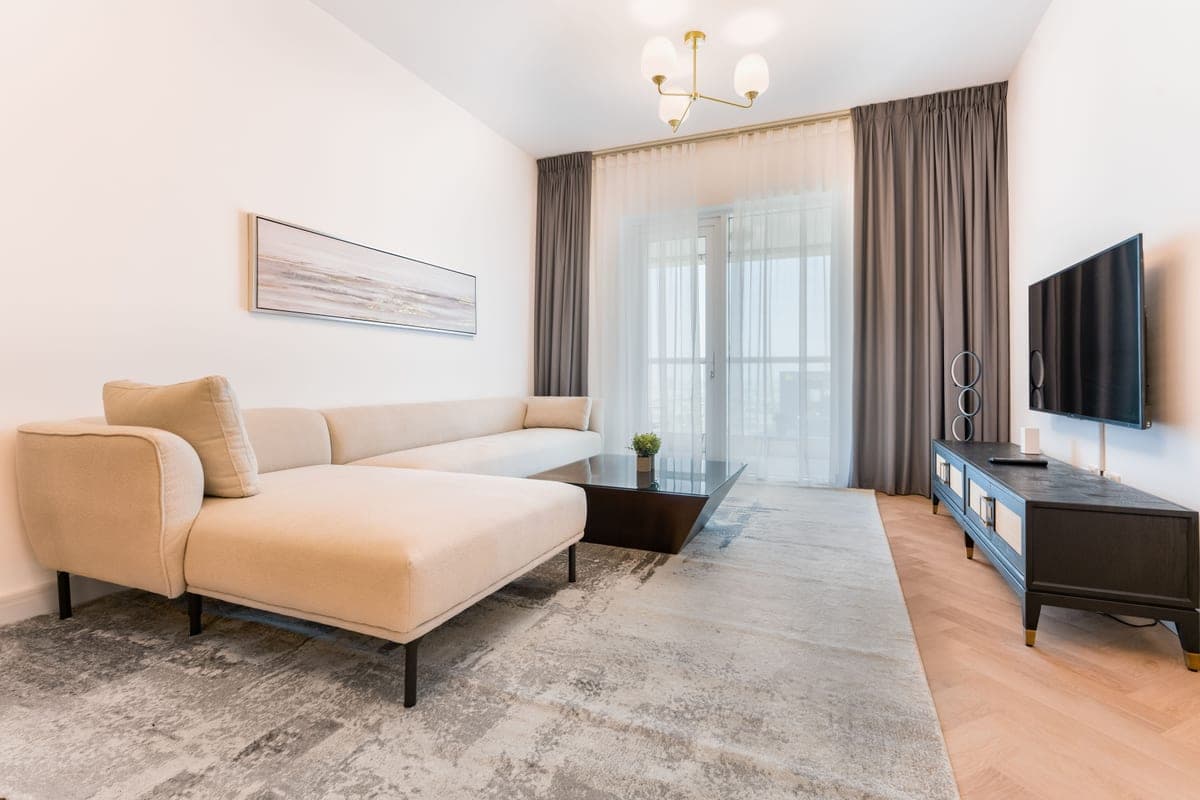 nuLOOM Washable Area RugRunner dimensions in a one-piece washable construction, which is the format that actually makes sense in a corridor. Small enough that washing it is genuinely a routine rather than an event. | The straightforward washable runner | One-piece low-pile polyester, machine washable | |
| 2 | Ottomanson Flatweave RunnerNot machine washable, and the better choice in a busy hallway anyway. A bonded rubber back stays put under directional traffic where a two-piece cover creeps. Included here because the honest answer to 'washable runner for a hallway' is often 'buy this instead'. | Hallways with real traffic | Flatwoven polypropylene, bonded rubber backing | |
| 3 | 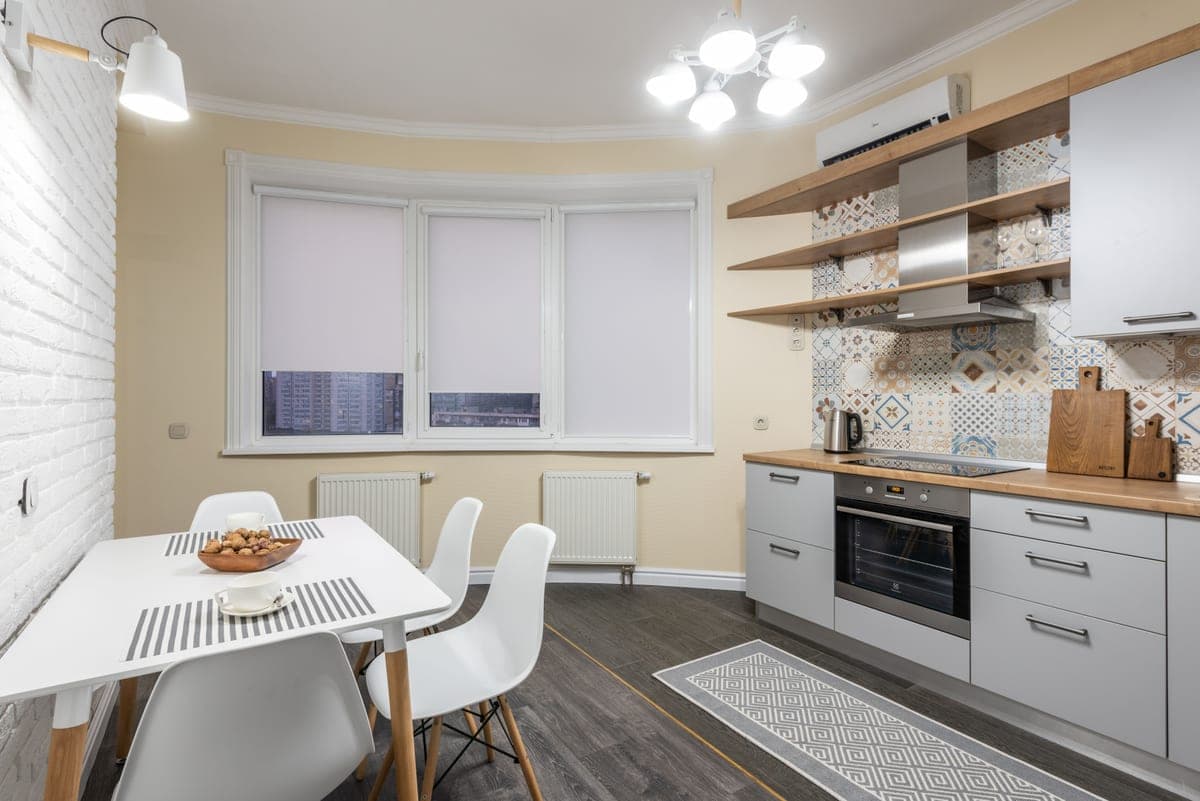 Sweet Home Stores Kitchen RunnerThe kitchen-specific version of the same logic: cheap, patterned, non-slip backed, wipeable. Replace rather than restore. | Kitchen galleys | Low-pile polypropylene, non-slip rubber back |
The short answer
Any runner fits a domestic washing machine, which makes it the easiest washable format to live with. But in a hallway, a runner with a bonded non-slip backing usually beats a washable one: concentrated directional traffic shifts a two-piece cover off its pad, and a rug that creeps every day is worse than a rug you cannot machine wash.
Width matters more than length
Runner length is forgiving — a foot either way reads as fine. Width is not. In a hallway you want 4 to 6 inches of bare floor visible on each side, which usually means a 2 foot to 2 foot 6 runner in a standard 3-foot hallway. Too wide and it looks like failed wall-to-wall carpet; too narrow and it looks like a strip of tape.
| Location | Typical width | Length rule |
|---|---|---|
| Hallway | 2 ft to 2 ft 6 | Stop 6 to 12 inches short of each end wall |
| Kitchen galley | 2 ft to 2 ft 6 | Run the length of the working counter |
| Bedside | 2 ft to 3 ft | Roughly the length of the bed |
| Stairs | Tread width minus 4 in each side | Measure tread plus riser, times the number of steps |
nuLOOM Washable Area Rug
The straightforward washable runner
Illustrative photo of this rug type — not manufacturer imagery. Current product photos are on the Amazon listing.
Runner dimensions in a one-piece washable construction, which is the format that actually makes sense in a corridor. Small enough that washing it is genuinely a routine rather than an event.
What it is
- One-piece construction, no separate pad included
- Low pile sized to fit a domestic washer
- Wide size range including runners and rounds
What it does well
- The cheapest honest route into a washable rug
- One piece, so there is no cover to shift out of alignment
- Sizes go down to accent and runner dimensions the two-piece systems often skip
Don't buy it if
- No pad included, and it genuinely needs one — it will slide on a hard floor without
- Thin, with very little cushioning
- Color range is more limited than the premium brands
The value pick: it does the one job the category exists for and does not pretend to do anything else.
Ottomanson Flatweave Runner
Hallways with real traffic
Illustrative photo of this rug type — not manufacturer imagery. Current product photos are on the Amazon listing.
Not machine washable, and the better choice in a busy hallway anyway. A bonded rubber back stays put under directional traffic where a two-piece cover creeps. Included here because the honest answer to 'washable runner for a hallway' is often 'buy this instead'.
What it is
- Rubber backing bonded to the rug — no separate pad needed
- Cut-to-length runners in many lengths
- Very low profile, under a quarter inch
What it does well
- The backing means it stays put on tile and laminate without a pad
- Low enough that an interior door still clears it
- Available in awkward lengths standard sizing does not cover
Don't buy it if
- Rubber backings can discolor vinyl plank flooring over time — check the fiber before laying it on LVP
- Firm and thin; comfort is not part of the proposition
- The backing eventually hardens and cracks after several years
The most practical hallway runner in the set, with one real caveat about which floor you put it on.
Sweet Home Stores Kitchen Runner
Kitchen galleys
Illustrative photo of this rug type — not manufacturer imagery. Current product photos are on the Amazon listing.
The kitchen-specific version of the same logic: cheap, patterned, non-slip backed, wipeable. Replace rather than restore.
What it is
- Non-slip rubber backing rated for hard kitchen floors
- Patterned surface chosen to hide kitchen traffic
- Standard kitchen runner widths and lengths
What it does well
- Busy patterns are genuinely effective at hiding the splash zone around a sink
- Cheap enough to treat as a consumable, which a kitchen rug basically is
- Wipes clean for everyday spills without needing a full wash
Don't buy it if
- Not machine washable the way a dedicated washable rug is
- Grease eventually defeats it — plan on replacing rather than restoring
- Rubber backing, so the same LVP caution applies
A consumable, and the right way to think about any rug that lives in front of a sink.
Why two-piece systems struggle in a corridor
A two-piece washable rug works because the cover sits on a grip pad and the two hold each other in place under downward pressure. In a room, footfall lands in many directions and roughly cancels out. In a corridor, every single footfall pushes the same way, and over a few weeks the cover migrates. The result is a rug you straighten daily.
Door clearance, every time
Runners almost always pass under a door. Measure the gap first: most interior doors clear about half an inch, and a runner plus a pad can exceed that easily. A bonded-back flatweave is usually under a quarter inch total, which is one more reason it wins in corridors.
For the room-specific detail, see hallway runners, kitchen runners and stair runners — the three have genuinely different constraints.
Questions people actually ask
Can any runner go in a washing machine?
If it is sold as washable, yes — runners are small enough that drum capacity is never the limit. What varies is whether the backing survives it: bonded rubber backs degrade in a hot wash or dryer.
How wide should a hallway runner be?
Leave 4 to 6 inches of floor visible either side. In a standard 3-foot hallway that means a 2 foot to 2 foot 6 runner.
Will a washable runner slip on tile?
A one-piece washable runner absolutely will without a pad. That is the main argument for a bonded-back flatweave in corridors instead.
Can I use a runner on stairs?
Only one fitted properly with rods or adhesive treads — a loose runner on stairs is a fall risk. See stair runners.
How long should a hallway runner be?
Stop 6 to 12 inches short of the wall at each end. Running the full length looks like fitted carpet that came up short.
Read next
- Runner RugsRunners for hallways, kitchens, bedsides and stairs — widths, clearance rules and which backing suits which floor.
- Hallway RunnersHallway runners that stay put under directional traffic, in constructions that survive the busiest floor in the house.
- Kitchen RunnersKitchen runners sized to the working strip, with the non-slip backings a wet floor requires.
- Washable Rugs for the KitchenThe washable picks that survive a kitchen, why a runner beats an area rug, and what belongs in front of the stove.
- Non-Slip Rug PadsWhy rugs slide, which pad constructions genuinely hold, and the thin options for tight door clearances.
- Washable RugsMachine-washable rugs, honestly assessed: sizes that fit a real washer, the two-piece systems compared, and where they beat a normal rug.