Rug Materials
Sisal Rugs
The hardest-wearing natural fiber there is — and the one a cat will treat as a scratching post.
The short answer
Sisal is the hardest-wearing common natural rug fiber — meaningfully tougher than jute — with three real drawbacks: it is harsh underfoot, it stains readily and cannot be wet-cleaned, and it expands and contracts with humidity so it can ripple in a damp season. Cats often treat it as a scratching post.
Why it handles traffic
Sisal comes from agave leaf fiber, which is stiffer and stronger than jute's stem fiber. Woven into a tight flat construction it presents a hard, dense surface with very little for a foot to crush. That is why sisal belongs in a hallway where jute does not, and why it holds its shape under furniture better than softer natural fibers.
The same stiffness is why it is unpleasant barefoot. There is no version of sisal that is soft — that is the fiber, not the construction.
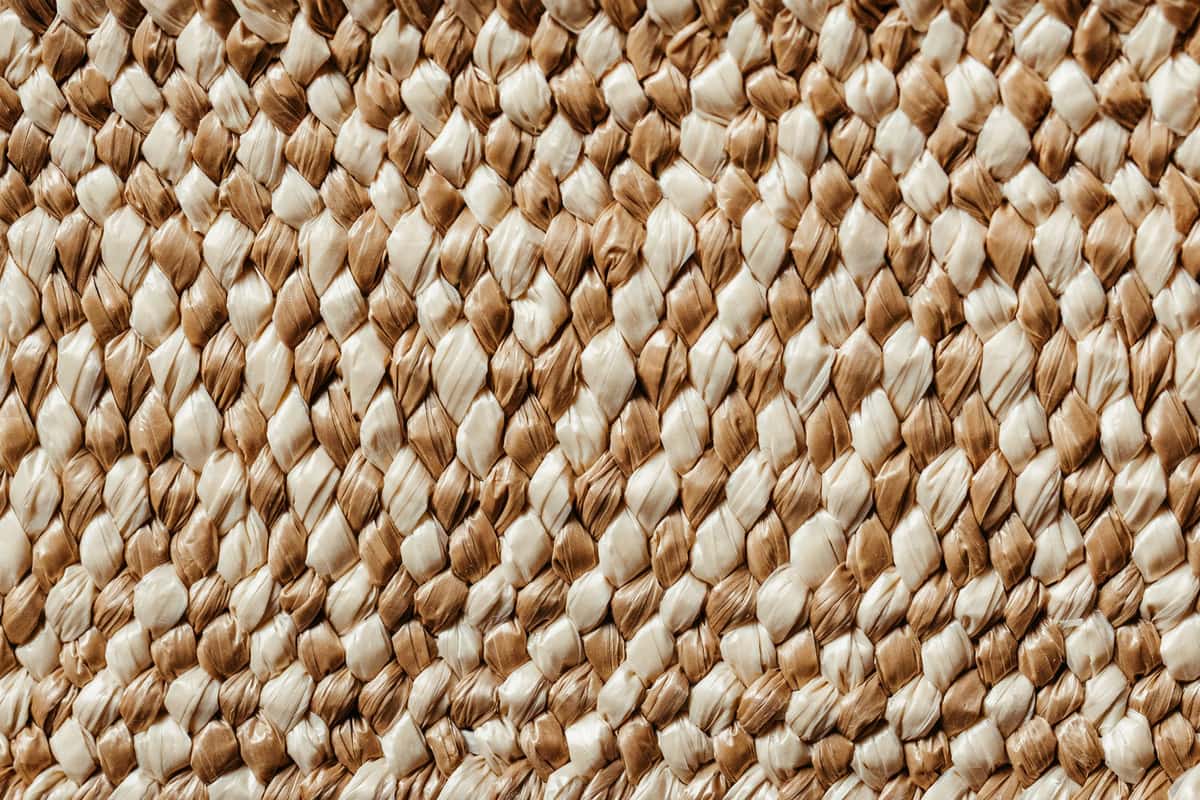
nuLOOM Natural Sisal Rug
High-traffic natural fiber
Illustrative photo of this rug type — not manufacturer imagery. Current product photos are on the Amazon listing.
The straightforward sisal: tight flat weave, a backing to limit slip, natural and lightly dyed colorways. Tough enough for a hallway, harsh underfoot, and it stains readily.
What it is
- Sisal is the hardest-wearing of the common natural rug fibers
- Tight flat weave with a backing to limit slip
- Natural and lightly dyed colorways
What it does well
- Substantially tougher than jute — it belongs in a hallway where jute does not
- The tight weave does not shed the way a braided jute does
- Holds its shape under furniture better than softer natural fibers
Don't buy it if
- Harsher than jute underfoot, and that is saying something
- Stains readily and cannot be wet-cleaned without risking the fiber
- Expands and contracts with humidity, so it can ripple in a damp season
Choose sisal over jute whenever feet, shoes or chair legs move across it daily.
Safavieh Natural Fiber Jute Rug
If softness matters more
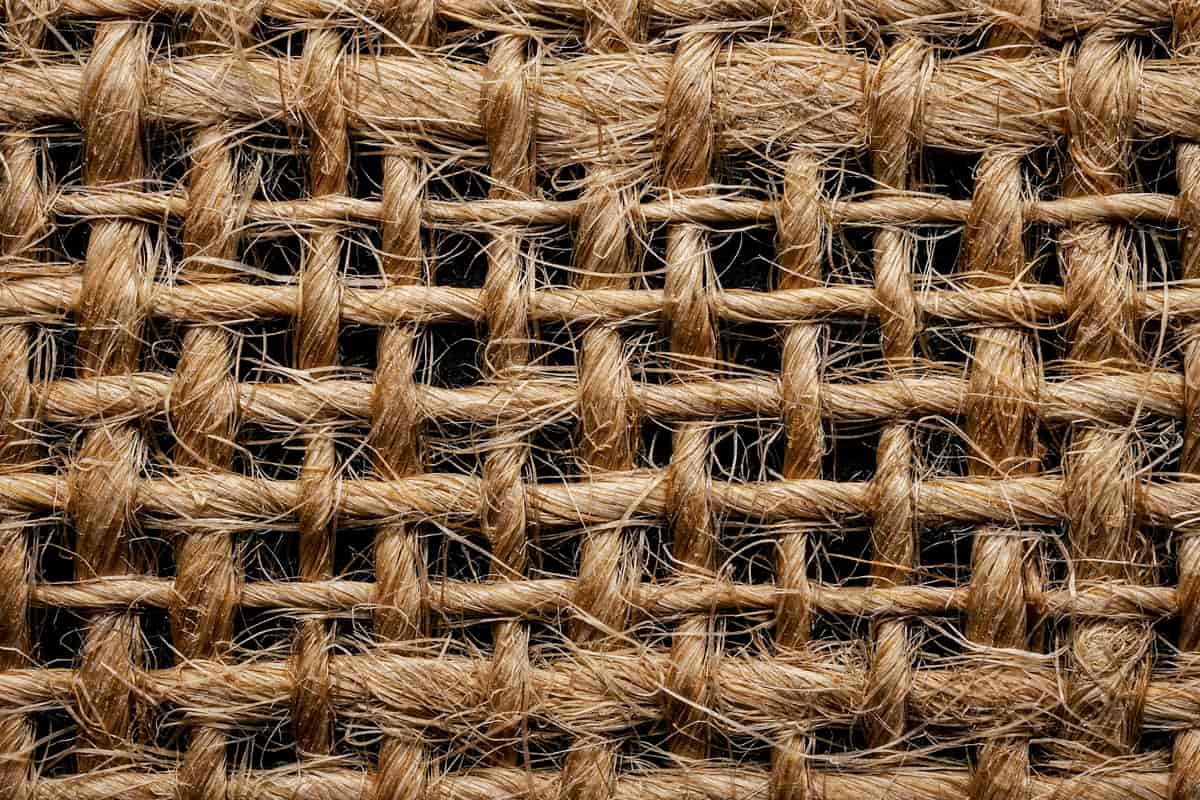
Illustrative photo of this rug type — not manufacturer imagery. Current product photos are on the Amazon listing.
The softer natural fiber, included as the direct alternative. If the room is low-traffic and comfort matters more than toughness, jute is the better buy.
What it is
- Handwoven jute with a cotton or canvas backing on most patterns
- Very wide size range including rounds and runners
- Undyed natural color plus bleached and overdyed options
What it does well
- The cheapest way into a genuine natural fiber rug rather than a jute-look print
- Texture hides crumbs and light traffic marks remarkably well
- Biodegradable at end of life, which almost nothing else in this list is
Don't buy it if
- It sheds heavily for roughly the first four to six weeks, then settles
- Jute and water do not get along — a wet spill left in it can leave a permanent brown ring
- Coarse underfoot. It is not a barefoot rug
The right rug for a dry, low-spill room where you want texture, and the wrong one anywhere near a kitchen sink.
The humidity problem
Sisal is hygroscopic: it takes up moisture from the air and releases it again. In a humid season the fibers swell slightly and the rug can ripple or buckle; in a dry season it flattens back. In a very humid climate or a basement this can be permanent enough to be annoying. It is one of the few rug problems that is genuinely about the room rather than the rug.
Sisal and cats
Sisal is the material most cat scratching posts are made from, which is not a coincidence — the woven texture is close to ideal for claws. Put a sisal rug in a house with a cat and there is a reasonable chance the cat will use it. This is a genuine conflict rather than a theoretical risk, and it is the main reason to choose something else in a cat household. Rugs for pets covers the alternatives.
Where sisal belongs
| Room | Verdict |
|---|---|
| Hallway | Excellent — the best natural fiber for traffic |
| Living room | Good, if nobody sits on the floor |
| Entry, one step in | Good — keep it clear of direct water |
| Home office | Good — flat, no pile for casters |
| Bedroom | Poor — too harsh where bare feet land |
| Kitchen or bathroom | No — water |
| Basement | No — humidity rippling |
Sisal blends
Sisal-wool blends are common and are a sensible compromise: some of sisal's toughness with some of wool's softness and recovery. They cost more than pure sisal and they behave better underfoot. Sisal-look rugs made from polypropylene are a different thing entirely — they mimic the appearance, have none of the humidity problems, and can be wet-cleaned freely. If you like the look and not the drawbacks, that is the honest route. See polypropylene rugs.
Questions people actually ask
Is sisal more durable than jute?
Considerably. Sisal is a stiffer, stronger fiber and handles hallway traffic that would flatten jute within a year.
Can you clean a sisal rug with water?
No. Water stains sisal, swells the fiber and can change the texture permanently. Vacuum, blot and use dry methods.
Why is my sisal rug rippling?
Humidity. Sisal absorbs moisture from the air and swells, then flattens again when the air dries. In a persistently humid room it is a real limitation.
Do cats scratch sisal rugs?
Often, yes — sisal is what most scratching posts are made from. In a cat household it is a real reason to choose a different fiber.
Is sisal comfortable to walk on?
Not especially. It is firm and coarse. Sisal-wool blends soften it meaningfully at a higher price.
Read next
- Jute vs SisalThe single trade-off that decides between the two natural fibers, mapped onto the rooms each belongs in.
- How to Clean a Sisal RugThe dry method for sisal, why water swells and stains it, and what to do about humidity rippling.
- Jute RugsJute's real behavior — heavy early shedding, permanent water staining, the smell — and where it genuinely belongs.
- Hallway RunnersHallway runners that stay put under directional traffic, in constructions that survive the busiest floor in the house.
- The Best Rug Material for High TrafficThe two properties that decide high-traffic performance, the three fibers that have both, and why construction matters as much.
- Rug MaterialsWool, jute, sisal, polypropylene, cotton, viscose and the traditional weaves — compared on wear, feel, water and cost.