Washable Rugs
Are Washable Rugs Toxic?
The fiber is rarely the issue. The questions worth asking are about backings, adhesives and surface treatments.
The short answer
The polyester and polypropylene fibers most washable rugs are made from are chemically inert and are not the part worth worrying about. The meaningful questions are about what else is in the product: the pad's backing material, any adhesive holding layers together, and applied stain or flame-retardant treatments. Ask about those specifically.
The fiber, first, because it is the easy part
Polyester and polypropylene are thermoplastics. Polypropylene in particular is widely used in food packaging and medical supplies precisely because it is inert and does not leach. As a rug fiber sitting on your floor at room temperature, it is not doing anything. This is why 'is polypropylene toxic' usually has a reassuring answer — see polypropylene rugs for the detail.
The three questions that actually matter
- What is the backing made of, and is it bonded with an adhesive? Laminated and glued constructions are where volatile compounds are most likely to be present, and they are the source of the 'new rug smell' people notice in the first week.
- Has a stain-resistant treatment been applied, and what kind? Treatments vary enormously. Water-based coatings are a different proposition from older fluorinated chemistries, and a brand that will not say which it uses has told you something.
- Has a flame retardant been applied? Wool is naturally flame resistant and needs none. Synthetics sometimes carry added treatment, and this is a fair thing to ask about for a child's room.
Lorena Canals Washable Rugs
Nurseries
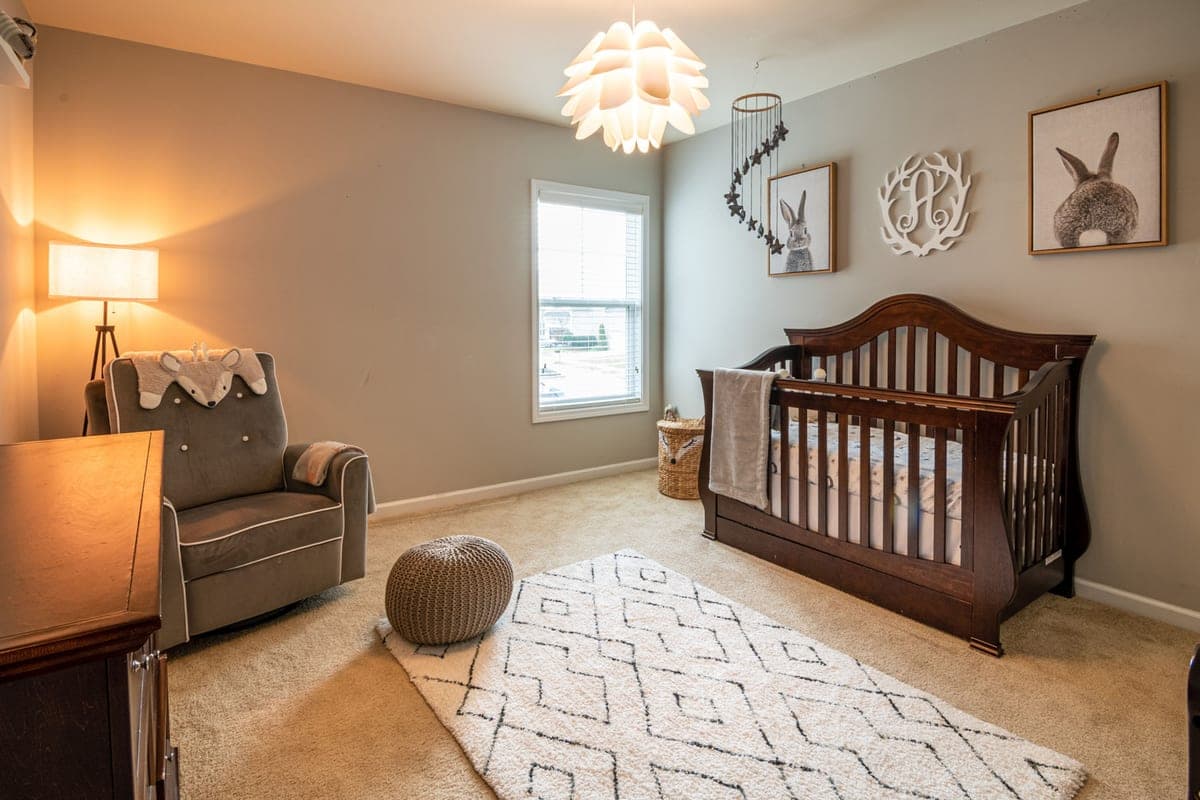
Illustrative photo of this rug type — not manufacturer imagery. Current product photos are on the Amazon listing.
The straightforward answer for anyone whose concern is specifically about synthetic materials in a child's room: woven cotton or Responsible Wool Standard wool rather than printed polyester. It costs several times more, which is the honest trade.
What it is
- A single woven piece, not a cover-and-pad system
- Cotton and wool lines, with the wool certified to the Responsible Wool Standard
- Washable in a home machine at smaller sizes; larger sizes need a commercial drum
What it does well
- Natural fiber rather than printed polyester, which matters if you are buying for a nursery
- Softer underfoot than any two-piece washable system
- One piece means no cover to re-seat after a wash
Don't buy it if
- Costs several times what a printed polyester washable rug costs
- Larger sizes exceed a domestic washer's drum capacity — check yours before buying
- Natural fiber takes far longer to dry than polyester
The washable rug for people who did not want a polyester rug in the first place, at a price that reflects exactly that.
Ruggable Classic Collection
The mainstream option
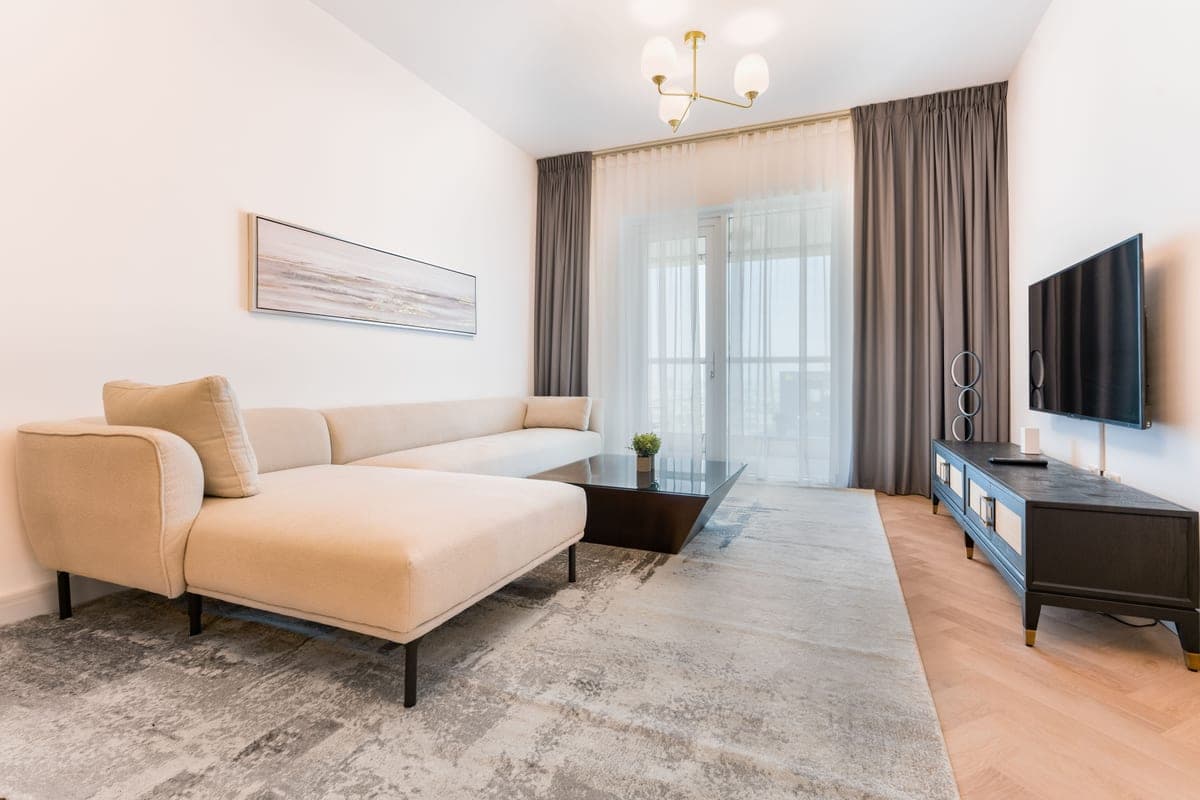
Illustrative photo of this rug type — not manufacturer imagery. Current product photos are on the Amazon listing.
Included as the mainstream comparison point. Polyester face on a separate pad — the fiber is inert, and the questions worth asking are about the pad's backing and any applied treatment.
What it is
- Two-piece system — a thin printed cover plus a separate cushioned pad
- Cover is machine washable in a standard home washer up to the 8x10 size
- Pile is very low, roughly an eighth of an inch on the Classic line
What it does well
- The largest catalog of designs in the washable category by a wide margin
- The cover packs down small, so shipping damage and storage are non-issues
- Replacement covers let you change the look without rebuying the pad
Don't buy it if
- The cover can wrinkle at the corners for a week or two after a wash
- It is thin. If you want something plush underfoot, this is the wrong system
- Cover and pad are priced separately, which makes the real cost easy to underestimate
The default washable rug for most rooms, because the design range means you rarely trade looks for washability.
What the new-rug smell actually is
Almost always off-gassing from the backing, adhesive or packaging rather than from the face fiber, and it dissipates — usually within a few days to a couple of weeks with ventilation. The practical response is to unroll a new rug somewhere ventilated for a few days before it goes into a bedroom, and to wash a washable cover once before first use. Neither is complicated, and both are worth doing.
Choosing for a nursery without guessing
If the concern is meaningful to you, the shortest route is a one-piece woven natural fiber rug — cotton or wool — rather than a printed synthetic on a bonded pad. It removes the backing, the adhesive and the surface treatment from the equation in one move. It also costs several times more, and that is the real trade rather than a minor one.
If budget rules that out, a printed synthetic rug that has been aired out and washed before use is a reasonable choice, and a far better one than a rug that cannot be cleaned at all. Rugs for a nursery and kids' room covers the other safety considerations, several of which — slip, snag, trip — matter more day to day than material chemistry does.
What we cannot tell you
We do not test rugs for chemical emissions and we will not pretend otherwise. What is above is drawn from published material properties and manufacturer specifications. Where a specific product's treatment or backing is not disclosed, the honest answer is that we do not know — and neither does anyone else who has not tested it. Ask the manufacturer directly; a clear answer is itself a useful signal.
Questions people actually ask
Is polyester safe for a rug in a nursery?
The polyester fiber itself is inert. The backing, any adhesive and any applied treatment are the components worth asking the manufacturer about.
Why does my new rug smell?
Off-gassing from the backing, adhesive or packaging. It dissipates with ventilation, usually within days to a couple of weeks. Air a new rug out before putting it in a bedroom.
Are natural fiber rugs automatically safer?
Not automatically — a natural fiber rug can still have a synthetic backing and an applied treatment. A one-piece woven natural fiber rug removes more variables than a laminated one does.
Should I wash a washable rug before first use?
It is a reasonable precaution and costs nothing. It also tells you early how the cover behaves in your machine, which is worth knowing.
Do washable rugs contain flame retardants?
Some synthetic rugs carry treatment; wool generally needs none because it is naturally flame resistant. It is a fair question to ask a manufacturer directly.
Read next
- Polypropylene RugsWhy solution-dyeing and water repellency make polypropylene the default budget and outdoor fiber — and its real limits.
- The Best Rugs for a Nursery or Kids' RoomNursery and kids' room rugs chosen for floor play, washability and the snag and slip risks nobody mentions.
- Are Washable Rugs Worth It?The honest case for and against washable rugs — the rooms where the trade clearly pays, and the rooms where it does not.
- Wool RugsWhat wool physically does that synthetics cannot — crimp recovery and lanolin — and what that buys you.
- Cotton RugsCotton's genuine washability and genuine fragility — and the rooms where that combination is exactly right.
- Washable RugsMachine-washable rugs, honestly assessed: sizes that fit a real washer, the two-piece systems compared, and where they beat a normal rug.