Rug Materials
Polypropylene Rugs
The fiber behind most cheap rugs and nearly every outdoor one. Two properties explain why.
The short answer
Polypropylene is hydrophobic — it does not absorb water into the fiber — and it is solution-dyed, meaning pigment is mixed into the molten polymer before the fiber is formed. Color runs all the way through, so fading is slow and a scuff does not expose a pale core. Those two facts are why it dominates budget and outdoor rugs.
Solution-dyeing, and why it is the headline feature
Most fibers are dyed after they are made: the color sits on and near the surface. Polypropylene cannot be dyed that way effectively, so the pigment goes in before the fiber is extruded. The consequence is that the fiber is the same color all the way through, like a stick of rock. UV fading is slow and even, abrasion does not reveal a lighter core, and bleach-based cleaners that would strip a surface dye do far less visible damage.
Is polypropylene toxic?
The fiber itself is chemically inert and is used widely in food packaging and medical supplies for that reason. It does not off-gas meaningfully at room temperature. The questions worth asking about any specific rug are about the backing, any adhesive, and any applied treatment — not the fiber. That is covered in full in are washable rugs toxic, which applies equally here.
Unique Loom Sofia Traditional Rug
Persian look, synthetic budget
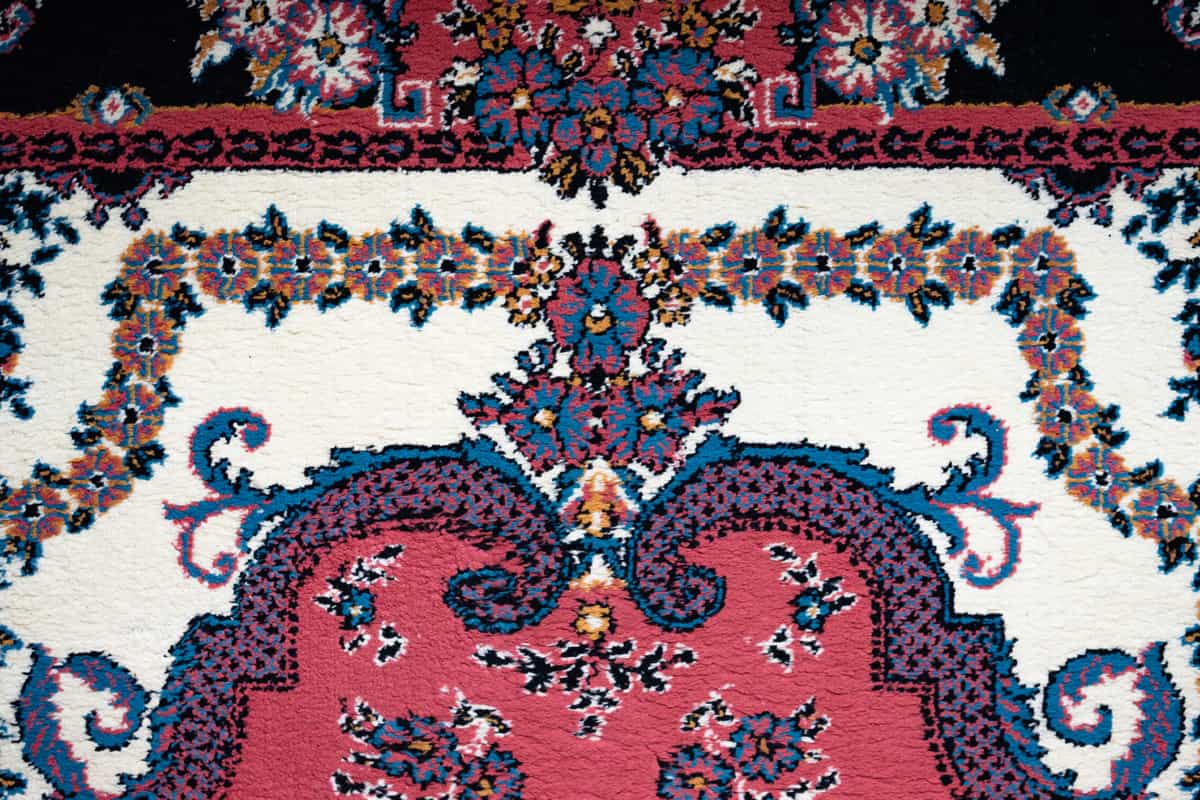
Illustrative photo of this rug type — not manufacturer imagery. Current product photos are on the Amazon listing.
Polypropylene doing what it is best at indoors: a dense traditional pattern that stays saturated for years because the color runs through the fiber. Synthetic sheen is the tell up close.
What it is
- Machine-woven polypropylene with a jute-blend backing on most sizes
- Traditional Persian-style medallion and all-over patterns
- Very broad size range including runners and rounds
What it does well
- A convincing traditional look at a small fraction of the price of a wool equivalent
- Polypropylene is solution-dyed, so the busy pattern stays saturated for years
- Dense pattern is extraordinarily good at hiding traffic and pet hair
Don't buy it if
- Up close the synthetic sheen gives it away
- Pile crushes under heavy furniture and does not spring back the way wool does
- Not repairable in any meaningful sense — when it wears, it is finished
The honest answer for a busy room that wants a traditional pattern without an heirloom budget.
Gertmenian Outdoor Patio Rug
Outdoors
Illustrative photo of this rug type — not manufacturer imagery. Current product photos are on the Amazon listing.
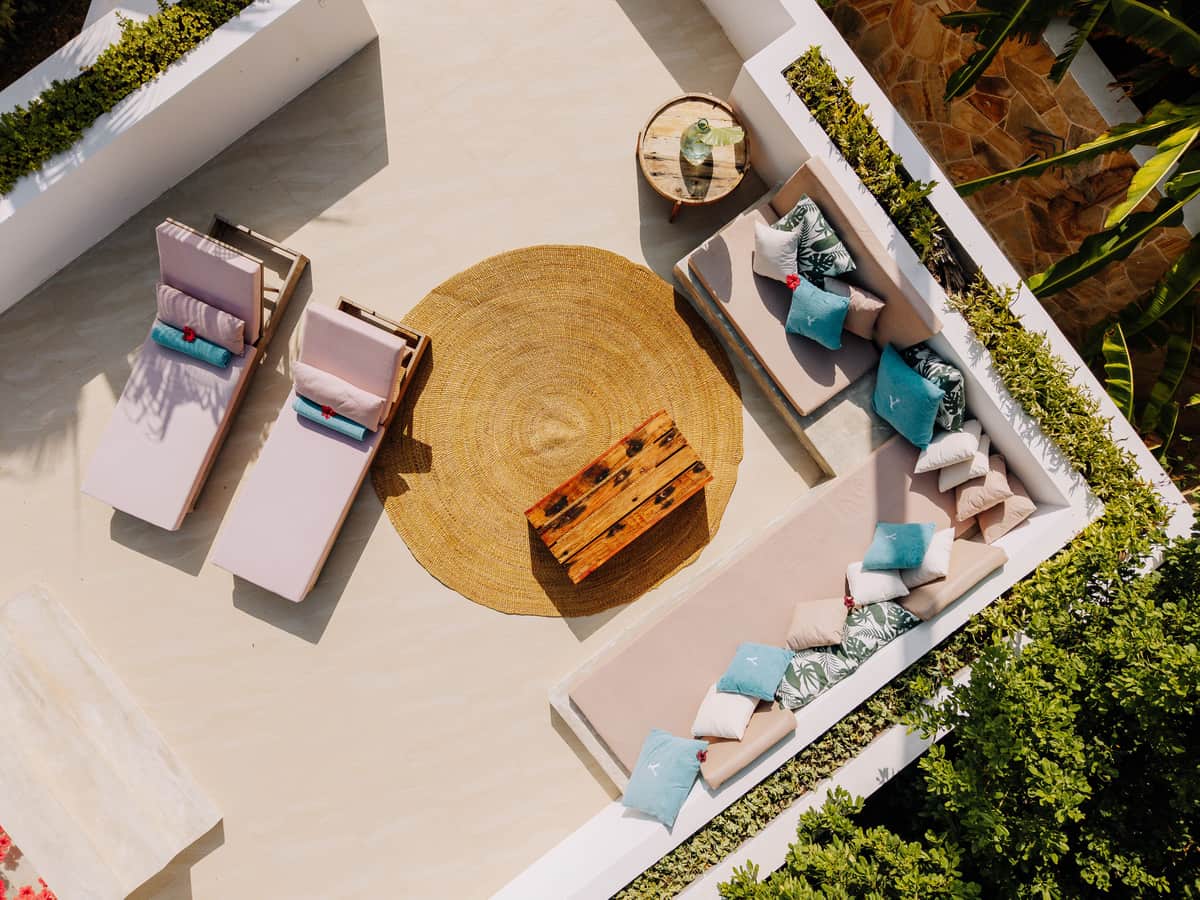
The same fiber outdoors, where its hydrophobic nature and UV resistance are genuinely hard to beat. Firm underfoot, which matters less outside.
What it is
- Polypropylene throughout, including the backing on most patterns
- Wide pattern range beyond the usual neutral weave
- Large sizes stay unusually affordable
What it does well
- One of the few lines where a genuinely large outdoor rug does not cost more than the furniture on it
- Solution-dyed polypropylene means color runs through the fiber, so fading is slow
- Safe against composite decking, and it takes the scuffing patio furniture inflicts
Don't buy it if
- Flatwoven polypropylene is not soft — this is not a barefoot lounging surface
- Edges can curl for the first few weeks out of the box
- The pattern printing is decent rather than premium
The sensible default for a full-size patio: it covers the area, survives weather, and does not cost enough to make you precious about it.
Ottomanson Flatweave Runner
Hallways
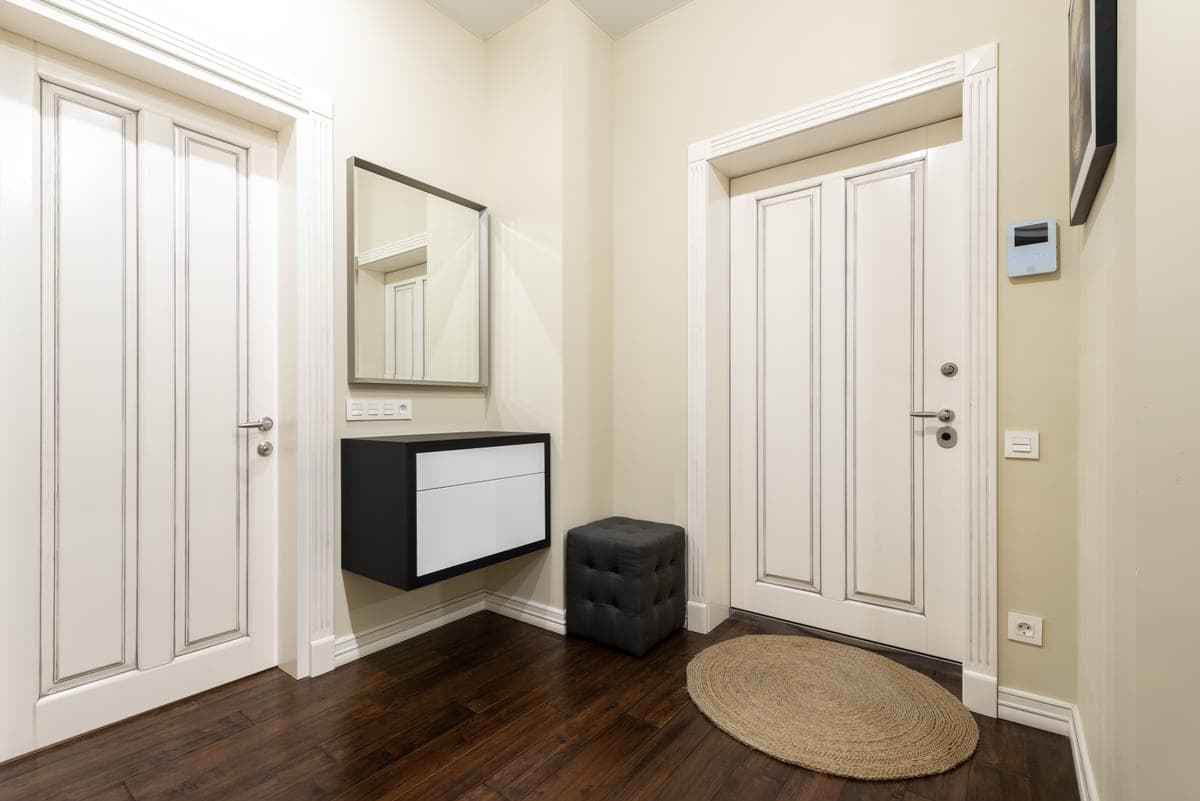
Illustrative photo of this rug type — not manufacturer imagery. Current product photos are on the Amazon listing.
Flatwoven polypropylene with a bonded back is the standard hallway runner, and it is standard because the fiber handles abrasion cheaply and well.
What it is
- Rubber backing bonded to the rug — no separate pad needed
- Cut-to-length runners in many lengths
- Very low profile, under a quarter inch
What it does well
- The backing means it stays put on tile and laminate without a pad
- Low enough that an interior door still clears it
- Available in awkward lengths standard sizing does not cover
Don't buy it if
- Rubber backings can discolor vinyl plank flooring over time — check the fiber before laying it on LVP
- Firm and thin; comfort is not part of the proposition
- The backing eventually hardens and cracks after several years
The most practical hallway runner in the set, with one real caveat about which floor you put it on.
Polypropylene versus polyester
| Polypropylene | Polyester | |
|---|---|---|
| Water | Repels — does not absorb | Absorbs somewhat |
| Dye | Solution-dyed, color through | Usually surface-dyed |
| Feel | Firmer, slightly slick | Softer |
| Oily soil | Attracts it — the main weakness | Attracts it badly |
| Crush resistance | Moderate | Poor |
| UV | Good | Moderate |
| Outdoors | Yes, the standard | Only under cover |
The short version: polypropylene is tougher and more weather-resistant, polyester is softer and takes richer colors. For anything that gets wet or sits in sun, polypropylene. For a bedroom where softness matters, polyester or wool.
The real weaknesses
- Oily soil. Polypropylene is oleophilic — it attracts oils. In a kitchen or a high-traffic entry, that is what makes a synthetic rug look gray over time rather than abrasion.
- Heat. It has a low melting point. A dropped ember or a hot pan will melt a permanent glossy mark into it, and that cannot be repaired.
- Crush. It recovers from compression far less well than wool. A sofa leg leaves a dent that stays. See wool vs polyester for the comparison that covers the same ground.
- Feel. Firm and slightly slick. It does not read as a luxury fiber close up, and no construction fully hides that.
Where it wins outright
Outdoors, in kitchens, in entryways, in rental properties, in any room with a large dog, and anywhere the honest plan is to replace the rug in five years rather than keep it for twenty. It is not trying to be wool and it is much cheaper than pretending otherwise.
Questions people actually ask
Are polypropylene rugs safe?
The fiber is chemically inert and widely used in food packaging. Ask about the backing, adhesive and any applied treatment rather than the fiber itself.
What does solution-dyed mean?
Pigment is mixed into the molten polymer before the fiber is formed, so color runs all the way through. Fading is slow and abrasion does not expose a pale core.
Do polypropylene rugs feel cheap?
Firmer and slightly slicker than wool, and up close the sheen is a giveaway. Dense patterned constructions disguise it best.
Can polypropylene rugs be cleaned with bleach?
Dilute oxygen bleach is generally safe because the color is in the fiber rather than on it. Test a corner first and rinse thoroughly.
Is polypropylene better than polyester for a rug?
Tougher and far better around water and sun. Polyester is softer and takes richer colors, which suits a bedroom better.
Read next
- How to Clean a Polypropylene RugThe forgiving fiber: what you can do freely, the two real limits, and how to deal with oily soil.
- Wool vs Polyester RugsWhere wool's premium is justified against polyester, and the specific rooms where polyester is the better buy.
- Outdoor RugsOutdoor rugs by fiber and backing, plus the drainage question that decides whether the rug quietly ruins the deck under it.
- Are Washable Rugs Toxic?What washable rugs are actually made of, which components are worth asking about, and how to choose one for a nursery.
- The Best Rug Material for High TrafficThe two properties that decide high-traffic performance, the three fibers that have both, and why construction matters as much.
- Rug MaterialsWool, jute, sisal, polypropylene, cotton, viscose and the traditional weaves — compared on wear, feel, water and cost.