Rug Materials
The Best Modern Rugs (October 2026)
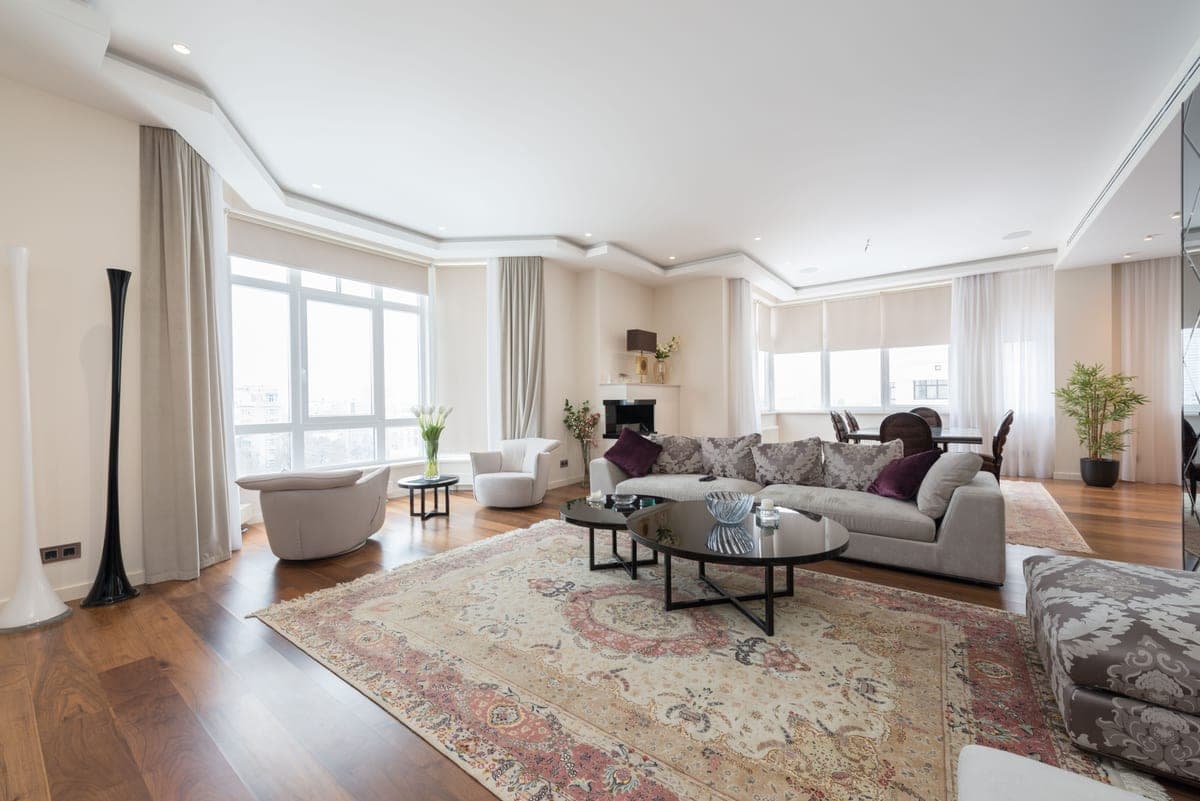
Modern is a look, not a construction, and the look is cheap to buy. What separates these rugs is pile height and pattern scale - which is also what decides whether the room still works in a year.
Heads up: we earn a commission when you buy through links on this page, at no extra cost to you. It never changes which rug we put first — see how we choose and our affiliate disclosure.
Quick picks
The whole answer, before the detail. Tap any row to jump to that rug's full write-up further down the page.
| # | Rug | Best for | Construction | Price |
|---|---|---|---|---|
| 1 | 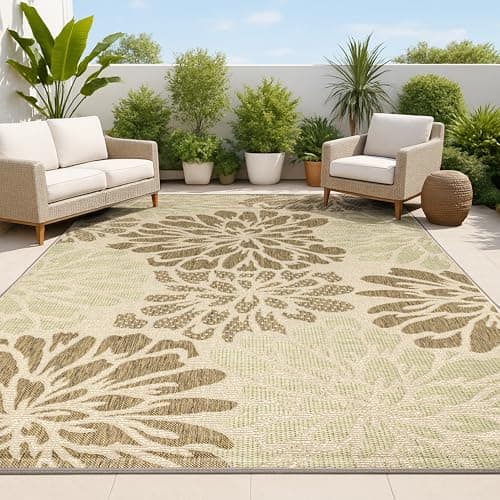 JONATHAN Y Modern Area RugThe default modern rug for an open-plan room: machine-woven polypropylene in a low to medium pile, with the large-scale abstract patterns that stop a big rug reading as a flat slab of color. Low pile is the right call here - a big rug in a busy room shows traffic lanes, and there is less pile to crush. | Open-plan living rooms | Machine-woven polypropylene, low to medium pile | $187.00View on Amazon #ad We earn a commission · Price as of October 11, 2026 |
| 2 | 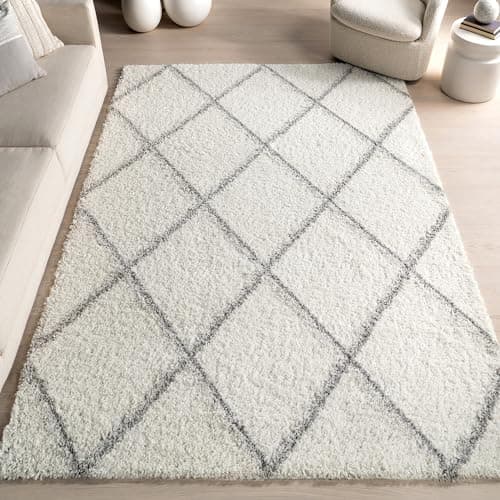 nuLOOM Moroccan Shag RugThe modern rug you buy for how it feels rather than how it photographs. High-pile polypropylene shag in the diamond trellis pattern that has defined the look for a decade. It is genuinely soft beside a bed, and it is genuinely wrong anywhere a chair rolls or a crumb falls. | Bedsides and soft corners | Machine-woven polypropylene shag, high pile | $169.99$204.24View on Amazon #ad We earn a commission · Price as of October 11, 2026 |
| 3 | 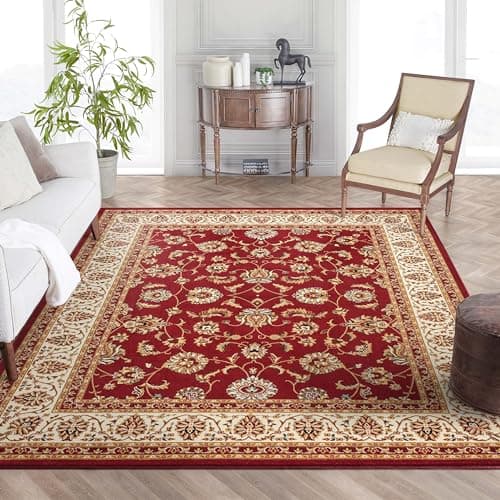 Well Woven Area RugThe apartment answer. Machine-woven polypropylene in a medium pile, with the pattern scaled for a room where the rug is six or seven feet across rather than ten - a large-scale abstract in a small room just looks cropped, and this is the one that does not. | Apartments and small rooms | Machine-woven polypropylene, medium pile | $59.99$83.99View on Amazon #ad We earn a commission · Price as of October 11, 2026 |
| 4 | 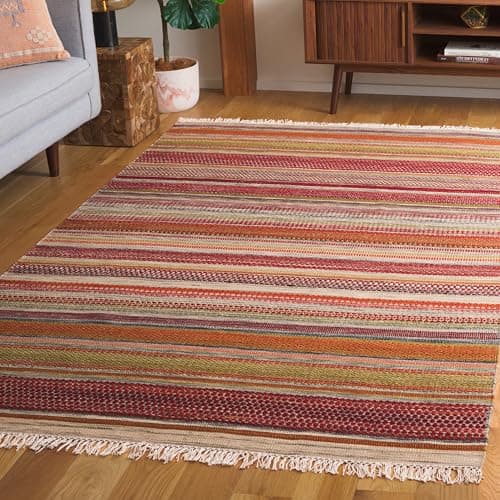 Safavieh Wool Flatweave Kilim RugThe modern geometric done in wool instead of plastic, and the one pick here that will still look right in ten years. Flatwoven, so chairs slide and furniture leaves no dent, and the kilim geometry reads as contemporary rather than traditional. It costs more and it is firm underfoot. | Geometry in a real fiber | Flatwoven wool, effectively no pile | $256.00$317.91View on Amazon #ad We earn a commission · Price as of October 11, 2026 |
| 5 | 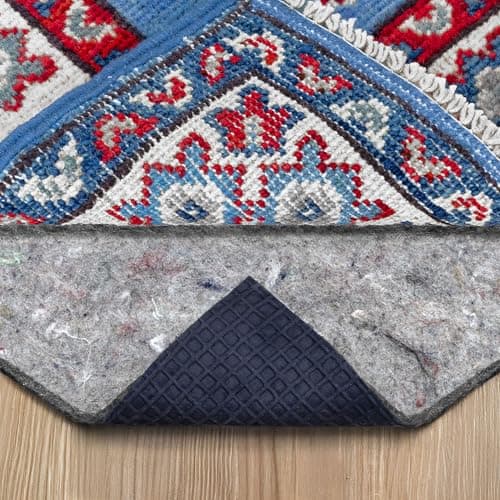 RUGPADUSA Superior-Lock Rug PadA low-pile machine-woven rug is light and stiff, and a flatweave is worse - both creep across a hard floor. The pad is what keeps the edges flat, which on a modern rug matters visually as much as practically: a curled corner ruins a clean-lined rug faster than it ruins a busy traditional one. | Under any of the above | Heat-pressed felt bonded to natural rubber | $133.41$156.95View on Amazon #ad We earn a commission · Price as of October 11, 2026 |
For most rooms the right modern rug is a low-pile machine-woven abstract in a large scale - it hides traffic, it does not crush under furniture, and the pattern does the work that a plain rug asks the rest of the room to do. Buy the shag instead only if the rug is going beside a bed, and buy the wool flatweave instead if you want the geometry to outlast the trend.
Modern is a design category rather than a material one, which is why it is a confusing thing to shop for: the same abstract pattern is sold in polypropylene at one price and in wool at six times that, and the listing photographs look nearly identical. So this page sorts them by the two things that actually change how the rug behaves - how tall the pile is, and how big the pattern is relative to the room.
JONATHAN Y Modern Area Rug
Open-plan living rooms
Product photo and price from Amazon, refreshed daily.
#ad We earn a commission · Price as of October 11, 2026
The default modern rug for an open-plan room: machine-woven polypropylene in a low to medium pile, with the large-scale abstract patterns that stop a big rug reading as a flat slab of color. Low pile is the right call here - a big rug in a busy room shows traffic lanes, and there is less pile to crush.
What it is
- Machine-woven polypropylene in contemporary patterns
- Strong availability at 8x10, 9x12 and larger
- Low to medium pile
What it does well
- Genuinely available in the big sizes an open-plan room needs, which a lot of design-led brands are not
- Contemporary patterns rather than the traditional default
- Pile low enough for a room with dining chairs in it
Don't buy it if
- Large synthetic rugs arrive heavily creased and take weeks to flatten
- The pattern repeat is visible on the very large sizes
- Edges can fray if a vacuum beater bar catches them
A practical answer to the hardest sizing problem in the category: covering a large open room without spending four figures.
nuLOOM Moroccan Shag Rug
Bedsides and soft corners
Product photo and price from Amazon, refreshed daily.
#ad We earn a commission · Price as of October 11, 2026
The modern rug you buy for how it feels rather than how it photographs. High-pile polypropylene shag in the diamond trellis pattern that has defined the look for a decade. It is genuinely soft beside a bed, and it is genuinely wrong anywhere a chair rolls or a crumb falls.
What it is
- High-pile shag in polypropylene rather than wool
- Diamond trellis pattern that has been the category default for a decade
- Sizes from accent to oversized
What it does well
- Genuinely soft for a synthetic, which is what a bedside rug needs to be
- Cheap enough to replace on a five-year cycle without pain
- Deep pile swallows the small debris a bedroom generates
Don't buy it if
- High pile is miserable to vacuum and worse with a pet in the house
- Crushes permanently under a bed leg
- The trellis pattern is everywhere, so the room will not look distinctive
Right for the two feet beside a bed. Wrong anywhere a chair, a door or a vacuum has to cross it.
Well Woven Area Rug
Apartments and small rooms
Product photo and price from Amazon, refreshed daily.
#ad We earn a commission · Price as of October 11, 2026
The apartment answer. Machine-woven polypropylene in a medium pile, with the pattern scaled for a room where the rug is six or seven feet across rather than ten - a large-scale abstract in a small room just looks cropped, and this is the one that does not.
What it is
- Strong coverage of the 5x7 and 5x8 sizes
- Medium pile with a defined pattern
- Jute-blend backing
What it does well
- 5x7 is the size most small living rooms actually need and it is often skipped
- Medium pile is a reasonable compromise between comfort and maintenance
- Patterns busy enough to hide a small room's concentrated traffic
Don't buy it if
- 5x7 is too small to get all the furniture legs on in most rooms — know that before buying
- Medium pile shows vacuum lines
- The backing can shed a little jute dust in the first weeks
The right size for an apartment, with the caveat that a 5x7 is a front-legs-on rug, not an all-legs-on one.
Safavieh Wool Flatweave Kilim Rug
Geometry in a real fiber
Product photo and price from Amazon, refreshed daily.
#ad We earn a commission · Price as of October 11, 2026
The modern geometric done in wool instead of plastic, and the one pick here that will still look right in ten years. Flatwoven, so chairs slide and furniture leaves no dent, and the kilim geometry reads as contemporary rather than traditional. It costs more and it is firm underfoot.
What it is
- Flatwoven — effectively no pile at all
- Wool fiber with a handwoven geometric pattern
- Reversible on many of the kilim patterns
What it does well
- Chairs slide over it instead of catching, which is exactly what a dining room needs
- No pile means nothing to crush, so furniture leaves no permanent dents
- Wool's soil resistance without wool's shedding
Don't buy it if
- Thin and firm underfoot — it will not feel luxurious
- Flatweaves need a good pad or they creep across the floor
- Spilled liquid goes straight through to the floor below
The correct rug shape for a dining room, in the correct fiber. Almost nobody buys this and regrets it.
RUGPADUSA Superior-Lock Rug Pad
Under any of the above
Product photo and price from Amazon, refreshed daily.
#ad We earn a commission · Price as of October 11, 2026
A low-pile machine-woven rug is light and stiff, and a flatweave is worse - both creep across a hard floor. The pad is what keeps the edges flat, which on a modern rug matters visually as much as practically: a curled corner ruins a clean-lined rug faster than it ruins a busy traditional one.
What it is
- Dense heat-pressed felt over a natural rubber gripping layer
- Available in quarter-inch and half-inch thicknesses
- Cuts to size with household scissors
What it does well
- Natural rubber rather than PVC or an adhesive-backed synthetic — this is the distinction that protects a hardwood finish
- The felt layer does real sound-dampening work in a room with hard floors
- Grips on glossy finishes where thinner pads slide
Don't buy it if
- Expensive relative to the rug it protects, which stops a lot of people buying one
- The half-inch version raises the rug enough to catch a door
- Heavy and awkward to handle at large sizes
The pad to buy if the floor under the rug is worth more than the rug, which on hardwood it almost always is.
How we chose these
We compared published fiber content, construction, pile height and stated size ranges across current listings, and we weighted the properties that decide whether a rug still looks deliberate after a year of use. No testing claims: we have not lived with these rugs, and how we choose sets out what that does and does not let us say.
One deliberate exclusion: no rug is here for being on trend. A pattern that is everywhere in 2026 is not a reason to buy a rug you will keep for eight years, and the two picks most likely to date - the shag and the large abstract - are labeled as such in their own entries.
Pile height is the whole decision
A modern rug fails in one of two ways. Either the pile is too tall for the room, in which case a desk chair will not roll, a vacuum fights it, and crumbs disappear into it permanently. Or the pile is too short for what the room is for, in which case it feels like a mat and nobody wants to sit on the floor. Nothing about the pattern fixes either mistake.
Low pile - roughly under half an inch - belongs anywhere with wheels, chairs or traffic: an open-plan living room, a dining area, a hallway, a home office. High pile belongs beside a bed, in a reading corner, in a room where people sit on the floor. Medium pile is the compromise most living rooms should make, and it is where the bulk of the modern catalog sits.
| Low-pile abstract | High-pile shag | Small-room medium pile | Wool flatweave | |
|---|---|---|---|---|
| Desk chair rolls | Yes | No | Barely | Yes |
| Soft to sit on | No | Yes | Somewhat | No |
| Hides traffic lanes | Yes | No | Yes | Partly |
| Furniture dents | Light | Permanent | Light | None |
| Vacuuming | Easy | Slow and fiddly | Easy | Easy |
| Lifespan | Years, then worn | Flattens first | Years | Decades |
| Pattern scale | Large | Texture, not pattern | Medium | Geometric |
What modern rugs are usually made of
Almost all of them are polypropylene, and that is not a criticism. The fiber is solution-dyed, which means the color goes through the fiber rather than sitting on it, so a saturated modern pattern stays saturated for years and does not sun-bleach the way a surface-dyed rug does. It also takes water, resists stains and costs very little. Polypropylene rugs covers the fiber properly.
What you give up is resilience. Polypropylene pile crushes under weight and does not spring back, so a heavy sofa leg leaves a permanent flat patch, and a rug that has spent three years under furniture carries a map of that furniture. Wool is the fiber that does not do this - wool versus polyester sets out what the price difference actually buys, and the wool flatweave on this list is the modern-looking way to get it.
Sizing a modern rug, which is where most of them go wrong
Clean-lined rugs are unforgiving about size in a way busy traditional rugs are not. A pattern with strong geometry draws attention to its own edges, so a rug that stops six inches short of the sofa does not read as cozy - it reads as the wrong rug. Err larger. What size rug for a living room covers the three standard layouts, and 8x10 versus 9x12 is the specific decision most open-plan rooms face.
In an open-plan room, size to the furniture group rather than the walls: the rug defines the sitting area, and the gap of bare floor around it is what makes that definition legible. Rug placement in a living room covers the layouts where that works.
Living with one
Low-pile synthetics are the easiest rugs on this site to maintain: vacuum normally, blot spills, and most of them tolerate a damp cloth and mild soap on a mark. Shag is the opposite - a beater bar will chew it, the pile has to be worked through rather than passed over, and anything sticky in a high pile is a genuine job. How to clean a polypropylene rug covers both cases.
Expect a synthetic modern rug to be a seven-to-ten-year rug in a normal living room, less if it is under heavy furniture, and plan accordingly: it is the cheap-repeatedly option rather than the expensive-once one. That is a perfectly reasonable way to buy a rug as long as you know that is the deal.
What we would buy
For an open-plan living room, the low-pile large-scale abstract, sized to the furniture group and over a grip pad. For an apartment or a small room, the medium-pile version with the pattern scaled to match. Beside a bed, the shag, and only there. And if the rug is for a room with a dining table or a desk chair in it, or you want one rug rather than three over the next decade, the wool flatweave is the pick worth stretching for - the best wool rugs covers the rest of that case.
Questions people actually ask
What makes a rug modern rather than traditional?
Pattern, not construction. Abstract, geometric and large-scale motifs read as modern; medallions, borders and dense all-over florals read as traditional. The same fiber and weave is used for both.
Are modern rugs always synthetic?
Most are polypropylene, because the look is cheap to produce and solution-dyed fiber holds saturated color. Wool versions of the same geometry exist and cost several times more, but they also last several times longer.
What pile height should I choose?
Low pile for anywhere with chairs, wheels or traffic. High pile only beside a bed or in a room where people sit on the floor. Medium pile is the sensible compromise for a general living room.
Will a shag rug work under a dining table?
No. Chair legs catch in the pile, dropped food disappears into it, and the pile crushes permanently where the table stands. A flatweave is the correct shape for that room.
How long does a modern synthetic rug last?
Roughly seven to ten years in a normal living room before the pile looks tired, and less under heavy furniture, which leaves permanent flat patches. It is the buy-again option rather than the keep-forever one.
Does a modern rug need a pad?
Yes. Low-pile and flatwoven rugs are light and stiff, so they creep across hard floors and curl at the corners - which looks worse on a clean-lined rug than on a busy one.
Sources
Read next
- Polypropylene RugsWhy solution-dyeing and water repellency make polypropylene the default budget and outdoor fiber — and its real limits.
- The Best Wool Rugs (October 2026)Tufted, flatwoven and blended wool compared on pile, shedding and the room each one belongs in - with the honest cost of each.
- Wool vs Polyester RugsWhere wool's premium is justified against polyester, and the specific rooms where polyester is the better buy.
- Rug Placement in a Living RoomThe three living room layouts, how to handle sectionals and open-plan, and the placement errors that look worst.
- The Best Rugs for a Living RoomLiving room rugs, starting with the sizing rule that decides everything, then the fibers that survive a traffic lane.
- Rug MaterialsWool, jute, sisal, polypropylene, cotton, viscose and the traditional weaves — compared on wear, feel, water and cost.