Rug Materials
The Best Wool Rugs (October 2026)
Wool is the one rug fiber that recovers from furniture, resists soil on its own and still looks right after ten years. The decision is which construction, not whether wool.
Heads up: we earn a commission when you buy through links on this page, at no extra cost to you. It never changes which rug we put first — see how we choose and our affiliate disclosure.
Quick picks
The whole answer, before the detail. Tap any row to jump to that rug's full write-up further down the page.
| # | Rug | Best for | Construction | Price |
|---|---|---|---|---|
| 1 | No image Safavieh Hand-Tufted Wool RugThe wool rug most people are actually picturing: a soft cut pile with enough depth to feel like something underfoot, in a pattern catalog broad enough that you will find one you like. Hand-tufted construction is what keeps it affordable, and the trade-off is honest - it is glued rather than woven, and it sheds for the first few months. | Softness that lasts | Hand-tufted wool pile on a cotton backing | |
| 2 | 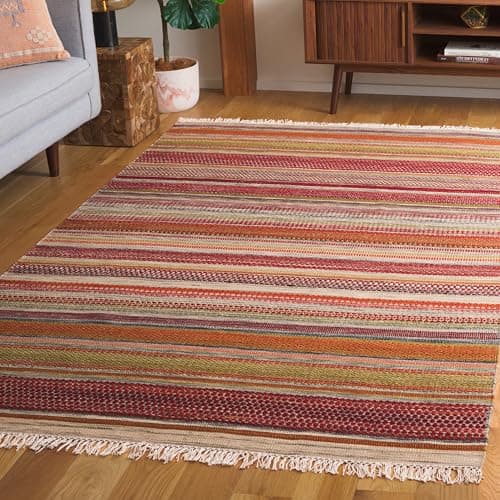 Safavieh Wool Flatweave Kilim RugThe right wool rug for a room with chairs in it. Flatwoven means effectively no pile, so a dining chair slides instead of catching and heavy furniture leaves no permanent dent. It is thin and firm underfoot, which is the price of all of that, and it needs a pad or it will creep. | Dining rooms and chair legs | Flatwoven wool, effectively no pile | $256.00$317.91View on Amazon #ad We earn a commission · Price as of October 11, 2026 |
| 3 | No image Natural Area Rugs Wool-Sisal Blend RugA blend rather than a pure wool rug, and worth knowing about because it solves a specific problem: you want natural-fiber texture but you also want to walk on it. The wool brings back the crimp and the recovery that sisal has none of, and the stitched border finishes the edge properly. | Texture you can stand on | Handmade wool and sisal blend with a fabric border | |
| 4 | 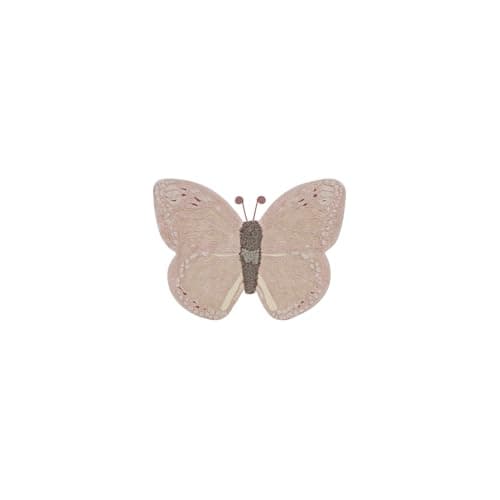 Lorena Canals Washable RugsThe only wool here you can put through a machine. Listings in this range are one-piece woven cotton or certified wool, which is a genuinely different proposition from a tufted pile rug - thinner, flatter, and designed around the washing. For a nursery that is the whole argument. | Nurseries and washing | One-piece woven cotton or certified wool | $199.00View on Amazon #ad We earn a commission · Price as of October 11, 2026 |
| 5 | 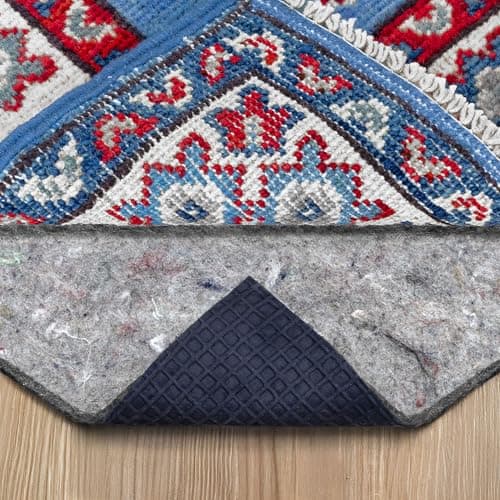 RUGPADUSA Superior-Lock Rug PadA wool rug is the one purchase on this site where the pad is a protective measure rather than a convenience. Felt-and-rubber keeps the rug still and takes the abrasion that would otherwise work a tufted backing loose, and that is years of life. | Under any of the above | Heat-pressed felt bonded to natural rubber | $133.41$156.95View on Amazon #ad We earn a commission · Price as of October 11, 2026 |
If you want one wool rug and you want it to feel like a wool rug, buy the hand-tufted cut pile - it is the softest, the deepest and the most available, and the shedding that puts people off stops within a few months. The exception is a room with dining chairs in it, where a flatwoven wool kilim is the correct answer instead and almost nobody regrets it.
Everything below is about construction, because fiber is the easy part of this decision. Wool beats every synthetic on this site at the things that actually destroy rugs: it springs back from the leg of a sofa, it resists soil on its own because of the lanolin still in the fiber, and it is naturally flame-resistant. Wool rugs covers why the fiber behaves that way. This page is about which wool rug to buy.
Safavieh Hand-Tufted Wool Rug
Softness that lasts
No licensed photo of this exact rug yet — see it on the Amazon listing.
The wool rug most people are actually picturing: a soft cut pile with enough depth to feel like something underfoot, in a pattern catalog broad enough that you will find one you like. Hand-tufted construction is what keeps it affordable, and the trade-off is honest - it is glued rather than woven, and it sheds for the first few months.
What it is
- Wool pile hand-tufted to a cotton backing
- Made in India across a large pattern catalog
- Cut pile, generally medium height
What it does well
- Wool springs back from furniture compression in a way no synthetic does
- Naturally flame-resistant and naturally soil-resistant thanks to the lanolin in the fiber
- With normal care it outlives every synthetic rug on this page several times over
Don't buy it if
- Sheds noticeably for the first few months — normal for a tufted wool rug, not a defect
- Hand-tufted rugs are glued, and the latex adhesive can break down after many years
- Costs several times what a comparable polypropylene rug costs
The long-horizon purchase in this category: expensive once rather than cheap repeatedly.
Safavieh Wool Flatweave Kilim Rug
Dining rooms and chair legs
Product photo and price from Amazon, refreshed daily.
#ad We earn a commission · Price as of October 11, 2026
The right wool rug for a room with chairs in it. Flatwoven means effectively no pile, so a dining chair slides instead of catching and heavy furniture leaves no permanent dent. It is thin and firm underfoot, which is the price of all of that, and it needs a pad or it will creep.
What it is
- Flatwoven — effectively no pile at all
- Wool fiber with a handwoven geometric pattern
- Reversible on many of the kilim patterns
What it does well
- Chairs slide over it instead of catching, which is exactly what a dining room needs
- No pile means nothing to crush, so furniture leaves no permanent dents
- Wool's soil resistance without wool's shedding
Don't buy it if
- Thin and firm underfoot — it will not feel luxurious
- Flatweaves need a good pad or they creep across the floor
- Spilled liquid goes straight through to the floor below
The correct rug shape for a dining room, in the correct fiber. Almost nobody buys this and regrets it.
Natural Area Rugs Wool-Sisal Blend Rug
Texture you can stand on
No licensed photo of this exact rug yet — see it on the Amazon listing.
A blend rather than a pure wool rug, and worth knowing about because it solves a specific problem: you want natural-fiber texture but you also want to walk on it. The wool brings back the crimp and the recovery that sisal has none of, and the stitched border finishes the edge properly.
What it is
- Sold as a wool sisal rug — the blend, not pure sisal
- Handmade and bordered in the same way as this brand's pure sisal weaves
- Wool brings the crimp and recovery that sisal has none of
What it does well
- The only honest answer to 'I want sisal but I have to walk on it barefoot'
- Wool recovers from furniture compression where pure sisal just stays crushed
- Reads as a natural fiber rug across a room without the sandpaper feel
Don't buy it if
- Costs meaningfully more than the pure sisal in the same size
- The wool component can shed for the first few months
- Still not a wet-clean rug — the sisal in the blend sets that rule
The compromise worth paying for in a living room or a bedroom edge, where pure sisal is simply too harsh.
Lorena Canals Washable Rugs
Nurseries and washing
Product photo and price from Amazon, refreshed daily.
#ad We earn a commission · Price as of October 11, 2026
The only wool here you can put through a machine. Listings in this range are one-piece woven cotton or certified wool, which is a genuinely different proposition from a tufted pile rug - thinner, flatter, and designed around the washing. For a nursery that is the whole argument.
What it is
- A single woven piece, not a cover-and-pad system
- Cotton and wool lines, with the wool certified to the Responsible Wool Standard
- Washable in a home machine at smaller sizes; larger sizes need a commercial drum
What it does well
- Natural fiber rather than printed polyester, which matters if you are buying for a nursery
- Softer underfoot than any two-piece washable system
- One piece means no cover to re-seat after a wash
Don't buy it if
- Costs several times what a printed polyester washable rug costs
- Larger sizes exceed a domestic washer's drum capacity — check yours before buying
- Natural fiber takes far longer to dry than polyester
The washable rug for people who did not want a polyester rug in the first place, at a price that reflects exactly that.
RUGPADUSA Superior-Lock Rug Pad
Under any of the above
Product photo and price from Amazon, refreshed daily.
#ad We earn a commission · Price as of October 11, 2026
A wool rug is the one purchase on this site where the pad is a protective measure rather than a convenience. Felt-and-rubber keeps the rug still and takes the abrasion that would otherwise work a tufted backing loose, and that is years of life.
What it is
- Dense heat-pressed felt over a natural rubber gripping layer
- Available in quarter-inch and half-inch thicknesses
- Cuts to size with household scissors
What it does well
- Natural rubber rather than PVC or an adhesive-backed synthetic — this is the distinction that protects a hardwood finish
- The felt layer does real sound-dampening work in a room with hard floors
- Grips on glossy finishes where thinner pads slide
Don't buy it if
- Expensive relative to the rug it protects, which stops a lot of people buying one
- The half-inch version raises the rug enough to catch a door
- Heavy and awkward to handle at large sizes
The pad to buy if the floor under the rug is worth more than the rug, which on hardwood it almost always is.
How we chose these
We compared published fiber content, construction method, pile height and stated size ranges across current listings, and we weighted the things that decide whether a wool rug survives a real room. We have not walked on these rugs for a decade and we do not claim to have. How we choose sets out the method and, more usefully, its limits.
One rule applied throughout: a rug appears here as wool only if the listing's fiber content line says wool. Wool-look, wool-feel and blend-unspecified are not wool, and a polypropylene rug sold under a wool-adjacent name is common enough to be worth saying out loud.
Tufted, woven or flatwoven: the question that decides it
Three constructions dominate wool rugs, and they behave so differently that the fiber almost stops being the story. Hand-tufted rugs are made by punching wool yarn through a backing cloth with a tufting gun and gluing a second backing over the result. That is why a tufted wool rug costs a fraction of a hand-knotted one, and it is also why its lifespan is set by the adhesive rather than by the wool.
Hand-knotted and handwoven rugs have no glue in them at all - the pile is tied or woven into the foundation, so the rug is structurally one thing. Those are the rugs that get handed down. Flatweaves, kilims included, skip pile entirely: the wool is woven flat, there is nothing to crush, and the rug is reversible on many patterns.
| Hand-tufted | Flatwoven | Wool-sisal blend | |
|---|---|---|---|
| Underfoot | Soft, deep | Thin, firm | Textured, firm |
| Shedding | Months, then stops | Almost none | A few months |
| Furniture dents | Recovers | Nothing to dent | Recovers partly |
| Chairs sliding over it | Catches | Slides freely | Slides |
| Spills | Held in the pile | Go through to the floor | Held in the weave |
| Lifespan limited by | The adhesive | The wool itself | The sisal |
| Needs a pad | Yes, for wear | Yes, it creeps | Yes, it slides |
What wool is actually worth paying for
Resilience. Wool fiber has a natural crimp, and crushing it stores energy that pushes the fiber back up again - which is why the sofa leg that leaves a permanent crater in a polypropylene pile leaves a mark in wool that lifts out within a week or two. On a rug that will spend five years under furniture, that one property is most of the value.
Soil resistance comes second, and it is the one people do not expect. The fiber surface is waxy, so dry soil sits on top of the pile rather than bonding into it, and a lot of what looks like a dirty wool rug is grit that proper vacuuming removes. That is also why the cleaning rules are so specific - how to clean a wool rug covers what wool tolerates and the two things that damage it outright.
Where wool is the wrong answer
Anywhere that stays wet. Wool handles a spill blotted promptly, and it handles humidity better than any other natural fiber here, but standing water in a wool pile is a mildew problem and prolonged damp will felt the fiber. A bathroom, a laundry, a basement that floods - those are polypropylene rooms, and polypropylene rugs is the honest comparison.
Wool is also wrong when the budget is the constraint rather than the preference. A wool rug costs several times a comparable synthetic, and a cheap wool rug is usually a thin wool rug - which gives up the resilience that was the whole reason to buy wool. Wool versus polyester sets out what the money buys at each level, and if the answer is that it is not worth it to you, that is a legitimate conclusion rather than a failure of taste.
Moths, and the part nobody mentions
Wool is a protein fiber, and clothes-moth larvae eat it. In a rug that gets vacuumed and walked on this is close to a non-issue, because moths want dark, still, undisturbed wool. The risk lives in the places you do not look: under a heavy sofa that never moves, along the edge against a baseboard, and above all in a rug rolled up in storage.
The practical answer is to move the furniture occasionally, vacuum the edges rather than just the field, and store a wool rug properly instead of bagged in a warm loft. Storing rugs covers the method, which matters more for wool than for anything else on this site.
Sizing a wool rug
Size it the way you would any rug - the fiber changes nothing about the geometry - but be more careful than usual about getting it right first time, because wool is the one rug where a return is genuinely painful. A tufted wool 8x10 is heavy, and the larger sizes are heavier still. What size rug for a living room covers the layouts, and 8x10 versus 9x12 is the decision most living rooms come down to.
In a dining room, measure for the chairs and not the table: the rug has to extend far enough that a chair pulled out stays on it, which means 24 inches past every edge of the table. What size rug for a dining table does that arithmetic, and getting it wrong is the most common mistake made with a flatwoven wool rug.
What we would buy
For a living room or a bedroom, the hand-tufted cut pile, with a felt-and-rubber pad under it and the expectation of a few months of shedding. For a dining room, the flatwoven kilim, every time. For a hallway or anywhere you want natural texture that is still walkable, the wool-sisal blend. For a nursery, the washable woven wool, because the ability to put it through a machine beats every other property in that one room. And if what you really want is the look of a traditional wool rug for a fifth of the money, say so honestly and buy a machine-woven traditional instead - persian rugs explains exactly what you are and are not giving up.
Questions people actually ask
Are wool rugs worth the money?
In a room with furniture standing on the rug, usually yes - wool recovers from compression and synthetics do not, so a wool rug still looks right years after a polypropylene one has permanent craters. In a low-traffic room with nothing heavy on it, the case is much weaker.
Why is my new wool rug shedding so much?
Because it is a cut pile releasing the short fibers left over from manufacture. It is heaviest in the first weeks and largely stops within two to four months. Vacuum without a beater bar and it settles on its own.
Hand-tufted or hand-knotted wool?
Hand-knotted is structurally better - no adhesive, far longer life - and costs several times more. Hand-tufted is the version most people actually buy, and its lifespan is limited by the glue rather than the wool.
Can a wool rug go in a dining room?
Yes, if it is flatwoven. A wool pile catches chair legs and holds dropped food; a wool flatweave lets chairs slide and has no pile to crush.
Do wool rugs get moths?
They can - moth larvae eat protein fiber. The risk is concentrated in undisturbed wool: under furniture that never moves, along baseboards, and in stored rugs. Regular vacuuming and proper storage handle it.
Is a wool rug soft underfoot?
A tufted or woven wool pile is the softest option on this site. A wool flatweave is not soft at all - it is thin and firm - and a wool-sisal blend is textured rather than plush.
Sources
Read next
- Wool RugsWhat wool physically does that synthetics cannot — crimp recovery and lanolin — and what that buys you.
- Wool vs Polyester RugsWhere wool's premium is justified against polyester, and the specific rooms where polyester is the better buy.
- How to Clean a Wool RugThe cool-water method for wool, why heat felts it permanently, and what to do about set-in stains.
- Jute vs WoolJute against wool on cost per year, comfort and cleanability — and which is genuinely the better value.
- What Size Rug for a Dining Table?The rug size for a dining table, worked out seat count by seat count from the 24-inch chair rule.
- Rug MaterialsWool, jute, sisal, polypropylene, cotton, viscose and the traditional weaves — compared on wear, feel, water and cost.