Rug Materials
Viscose Rugs
Sold as art silk or bamboo silk. Stunning to look at, and plain water marks it permanently.
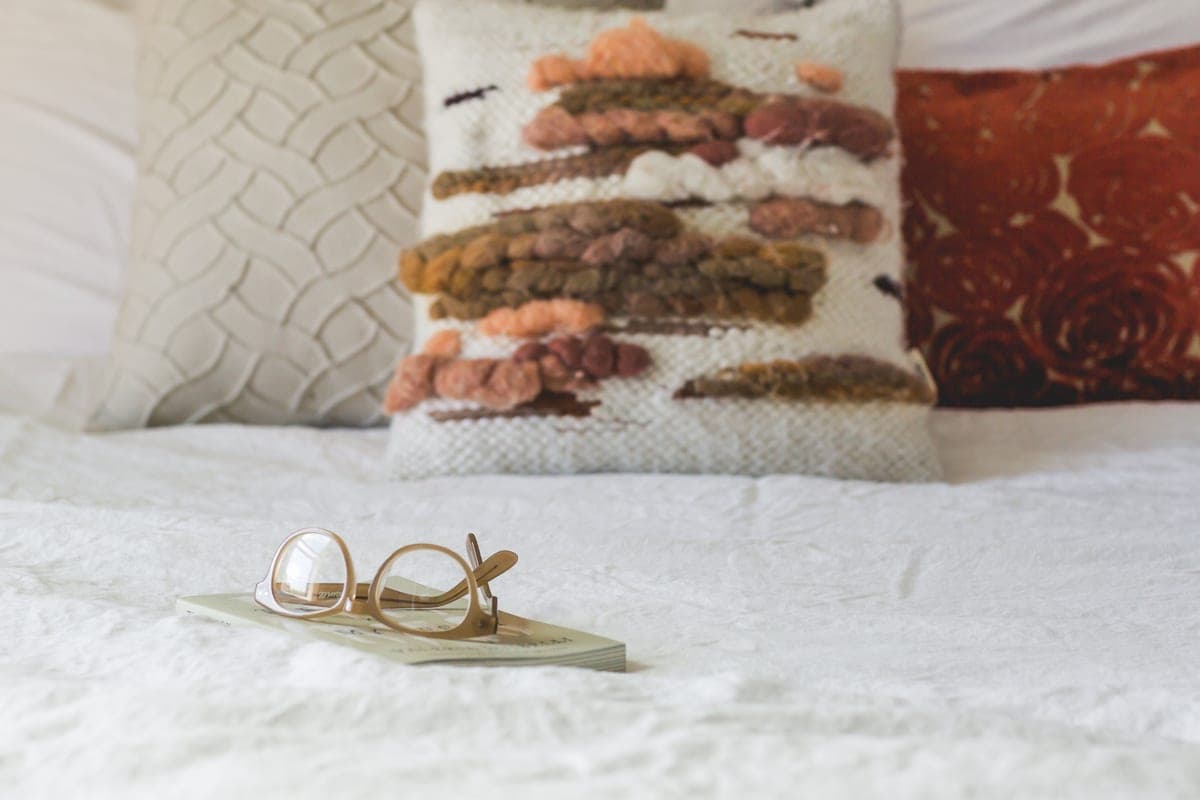
The short answer
Viscose — also sold as art silk, bamboo silk, rayon or banana silk — is regenerated cellulose. It has a beautiful silk-like lustre and it is the least practical common rug fiber. Plain water causes permanent marks and texture change, the fiber loses most of its strength when wet, and traffic flattens the sheen. Buy it for a display room or not at all.
What it actually is
Viscose is made by chemically dissolving cellulose — from wood pulp or bamboo — and re-forming it into fiber. The result takes dye brilliantly and reflects light in a way that closely mimics silk, at a small fraction of silk's price. That is the entire appeal, and it is a real one: a viscose rug in good condition looks genuinely luxurious.
The catch is that regenerated cellulose loses a large proportion of its tensile strength when wet. A fiber that is weak when wet cannot be cleaned with water, and it cannot survive being walked on while damp.
The water problem, specifically
- Plain water leaves a mark. Not a stain from the liquid — a permanent change in how the fiber reflects light, which reads as a dull patch. Nothing removes it.
- The fiber can yellow where moisture has been, sometimes appearing days later.
- Wet fibers crush. Walk on a damp viscose rug and the pile flattens permanently in that spot.
- Professional cleaning is limited. Even specialists treat viscose with caution, and many will not guarantee a result.
Safavieh Hand-Tufted Wool Rug
Softness that lasts
Illustrative photo of this rug type — not manufacturer imagery. Current product photos are on the Amazon listing.
The alternative most people should buy. Wool gives you softness and sheen that survives contact with the real world, which viscose does not.
What it is
- Wool pile hand-tufted to a cotton backing
- Made in India across a large pattern catalog
- Cut pile, generally medium height
What it does well
- Wool springs back from furniture compression in a way no synthetic does
- Naturally flame-resistant and naturally soil-resistant thanks to the lanolin in the fiber
- With normal care it outlives every synthetic rug on this page several times over
Don't buy it if
- Sheds noticeably for the first few months — normal for a tufted wool rug, not a defect
- Hand-tufted rugs are glued, and the latex adhesive can break down after many years
- Costs several times what a comparable polypropylene rug costs
The long-horizon purchase in this category: expensive once rather than cheap repeatedly.
Unique Loom Sofia Traditional Rug
The look, without the fragility
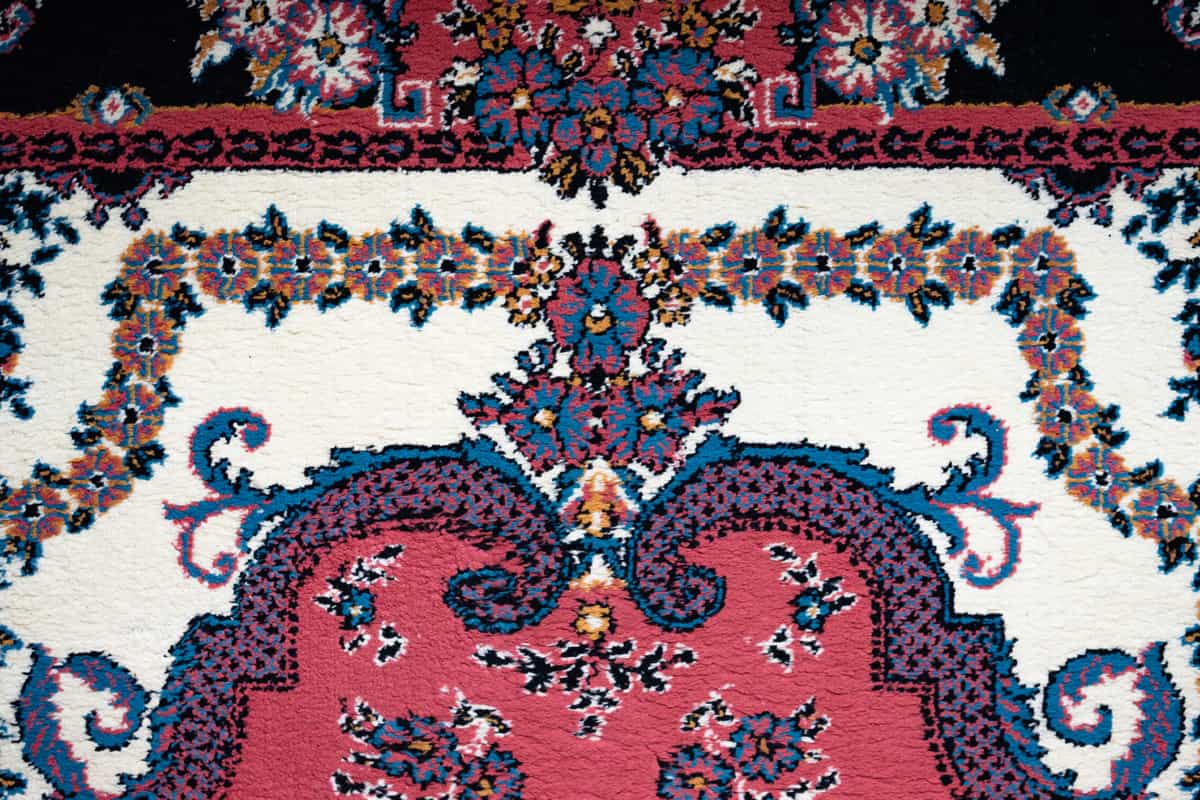
Illustrative photo of this rug type — not manufacturer imagery. Current product photos are on the Amazon listing.
If it is the lustre of a traditional silk-look rug you want, a dense machine-woven polypropylene delivers a comparable visual effect and can actually be cleaned.
What it is
- Machine-woven polypropylene with a jute-blend backing on most sizes
- Traditional Persian-style medallion and all-over patterns
- Very broad size range including runners and rounds
What it does well
- A convincing traditional look at a small fraction of the price of a wool equivalent
- Polypropylene is solution-dyed, so the busy pattern stays saturated for years
- Dense pattern is extraordinarily good at hiding traffic and pet hair
Don't buy it if
- Up close the synthetic sheen gives it away
- Pile crushes under heavy furniture and does not spring back the way wool does
- Not repairable in any meaningful sense — when it wears, it is finished
The honest answer for a busy room that wants a traditional pattern without an heirloom budget.
Where it can actually work
A formal room that people walk through rather than live in. A bedroom where the rug sits mostly under the bed. A wall hanging. In each case the common factor is that nothing is spilled and nothing is dragged. If your honest assessment of a room includes the word 'drinks' or the word 'children', this is not the fiber.
How to spot it
Listings often avoid the word. Look for art silk, faux silk, bamboo silk, banana silk, rayon, or simply 'silk-like' — all of these generally mean viscose. Real silk is dramatically more expensive and is rare in the sizes most people are buying. If a rug looks like silk and costs like polypropylene, it is viscose.
What to buy instead
For softness and lustre that survives real use, wool — a good wool rug has its own quiet sheen and can be cleaned. For the visual effect of a traditional silk-look rug at low cost, a dense polypropylene traditional pattern gets surprisingly close and is essentially indestructible by comparison.
Questions people actually ask
Is viscose the same as bamboo silk?
Yes. Bamboo silk, art silk, faux silk, banana silk and rayon are all marketing names for viscose — regenerated cellulose fiber.
Can you clean a viscose rug?
Barely. Water permanently marks it and the fiber weakens when wet. Dry methods only, and professional cleaners often will not guarantee results.
Why does my viscose rug have water marks?
Water changes how the fiber reflects light, leaving a dull patch that does not come out. It is a property of the fiber rather than a stain.
Is viscose worth buying at all?
Only for a low-traffic, no-spill room where you want the look and accept the fragility. In most homes something else is the better call.
Are wool-viscose blends better?
Considerably. The wool provides structure and the viscose provides sheen in the highlights. They still need care around water.
Read next
- Wool RugsWhat wool physically does that synthetics cannot — crimp recovery and lanolin — and what that buys you.
- Polypropylene RugsWhy solution-dyeing and water repellency make polypropylene the default budget and outdoor fiber — and its real limits.
- How to Clean an Area RugHow to identify your rug's fiber, the three rules that apply to all of them, and where to go next.
- The Best Rug Material for High TrafficThe two properties that decide high-traffic performance, the three fibers that have both, and why construction matters as much.
- Persian RugsWhat 'Persian' actually denotes, how to tell hand-knotted from machine-woven, and what you are paying for.
- Rug MaterialsWool, jute, sisal, polypropylene, cotton, viscose and the traditional weaves — compared on wear, feel, water and cost.