Rugs by Room
The Best Rugs for Pets and High Traffic
Two problems that want the same thing: dense, low, cut pile in a tough fiber. Here is why, and what to buy.
Heads up: we earn a commission when you buy through links on this page, at no extra cost to you. It never changes which rug we put first — see how we choose and our affiliate disclosure.
Quick picks
The whole answer, before the detail. Tap any row to jump to that rug's full write-up further down the page.
| # | Rug | Best for | Construction | Price |
|---|---|---|---|---|
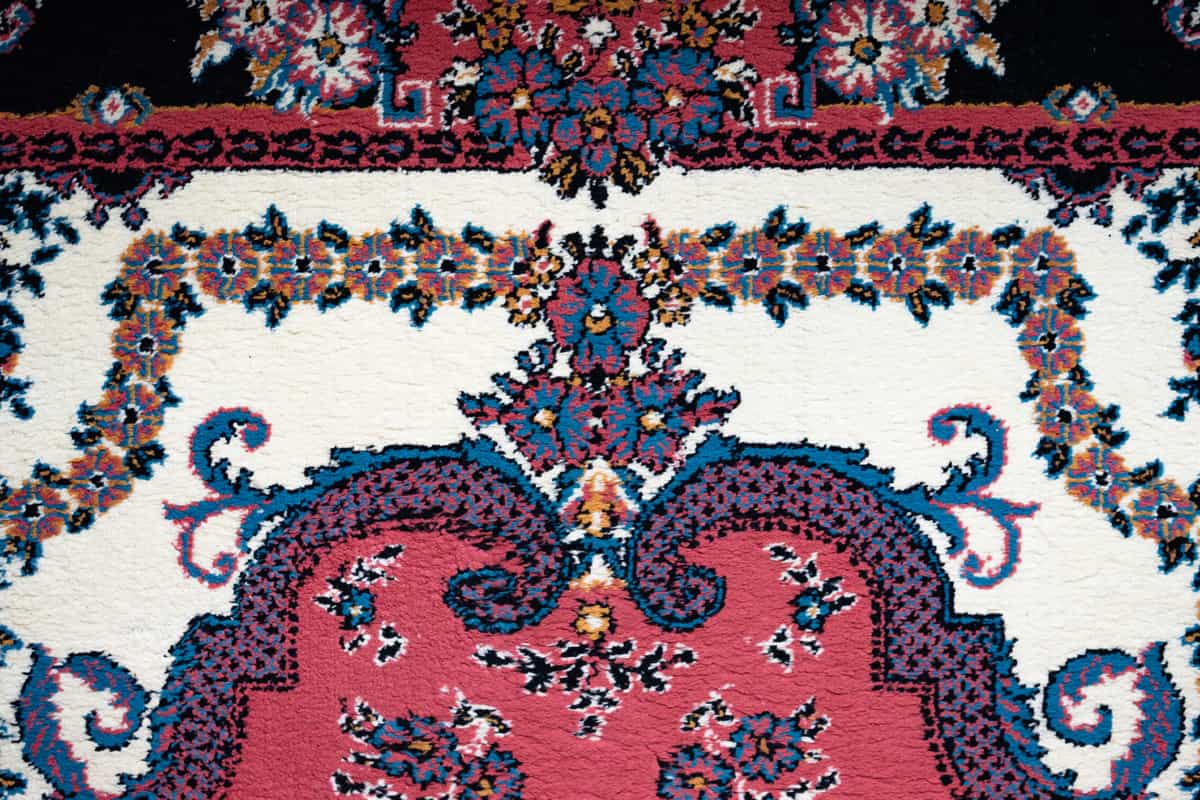
| 1 | Unique Loom Sofia Traditional RugSolution-dyed polypropylene in a dense traditional pattern is close to the ideal pet-and-traffic rug: the color runs through the fiber, and the busy pattern hides hair and the traffic lane simultaneously. Synthetic sheen up close is the trade. | Persian look, synthetic budget | Machine-woven polypropylene, traditional patterns | |
| 2 | 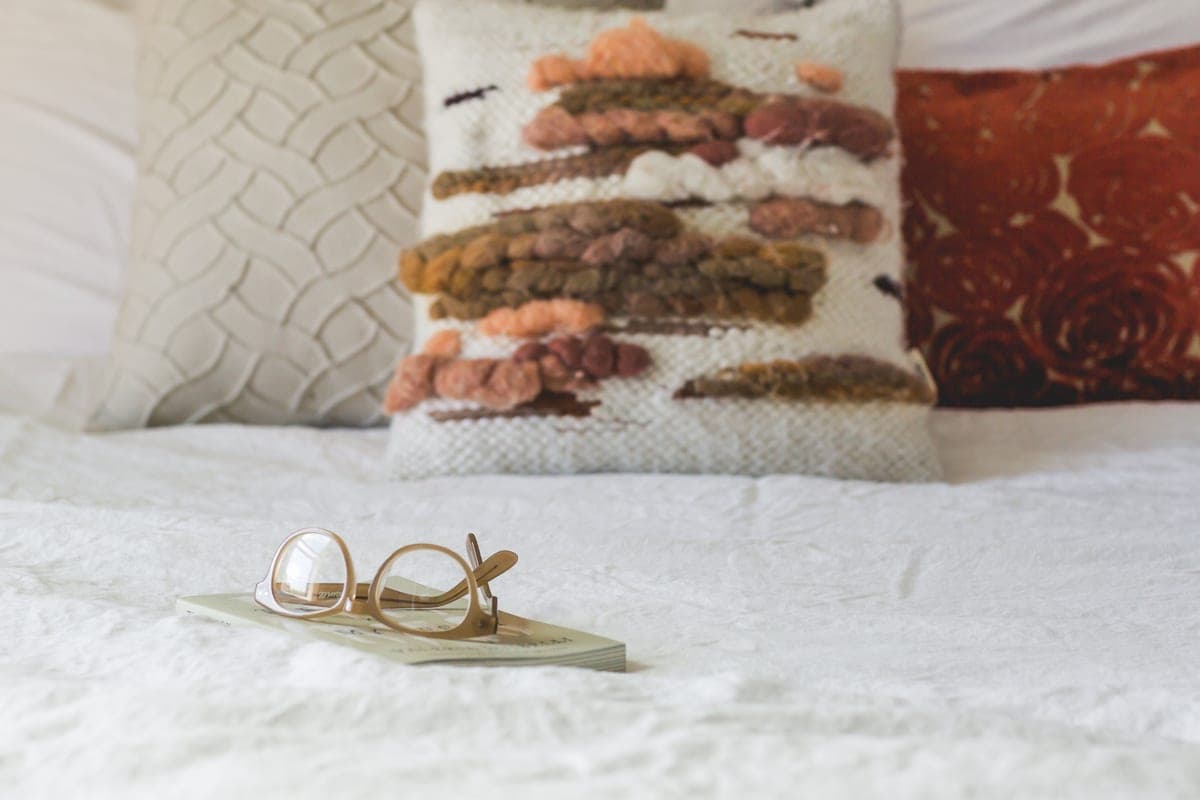 Safavieh Hand-Tufted Wool RugThe premium answer. Wool recovers from compression and resists soil naturally, so it looks better for longer under traffic. Expensive to risk with a puppy, and it grips hair more than smooth synthetics do. | Traffic, with a settled adult animal | Hand-tufted wool pile on a cotton backing | |
| 3 | 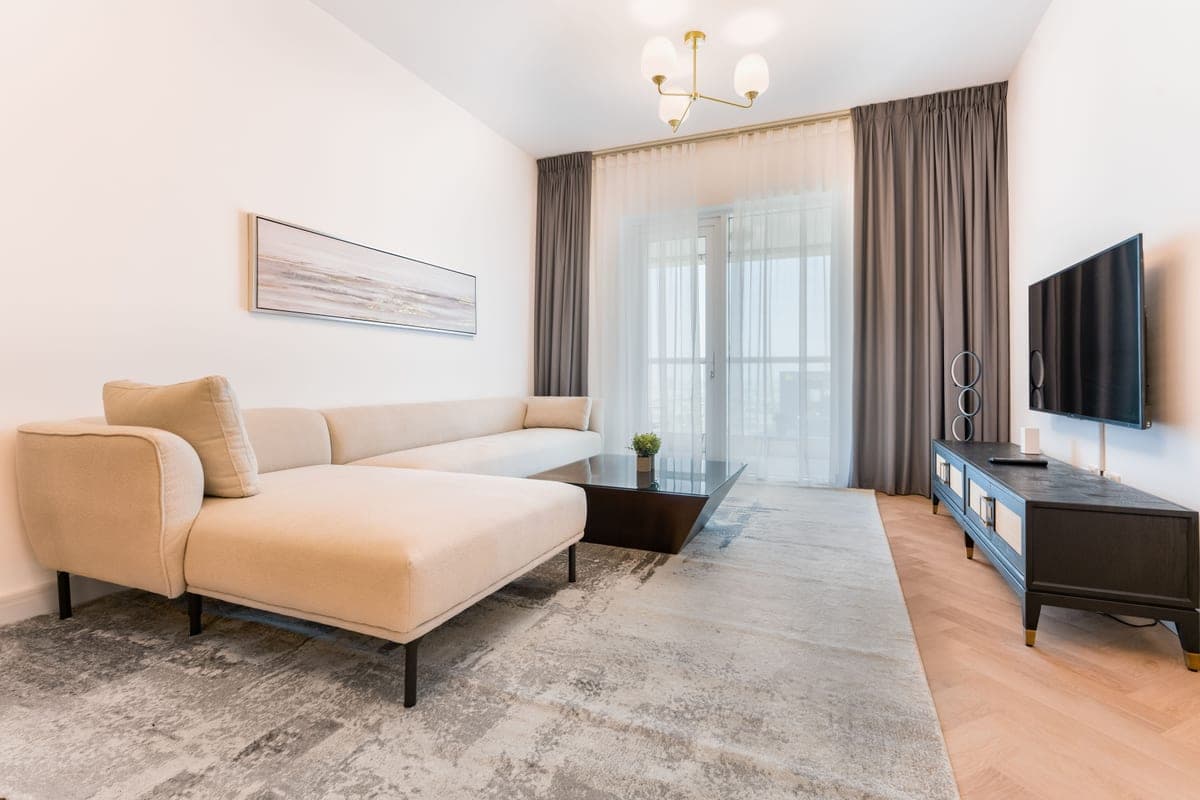 Ruggable Classic CollectionWhen accidents rather than abrasion are the problem, washability outranks durability. A cover that goes in the machine whole removes the residue that causes odor — which surface cleaning never does. | Accidents | Two-piece: printed cover over a separate grip pad | |
| 4 | 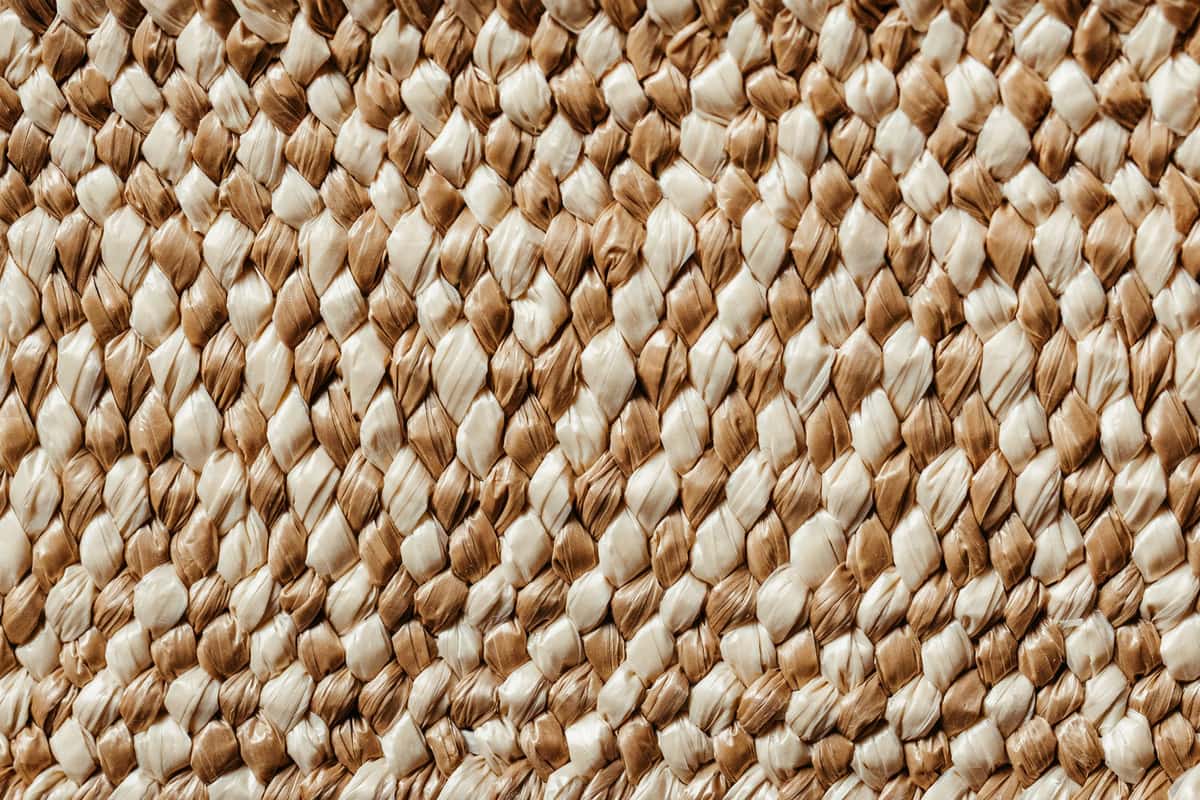 nuLOOM Natural Sisal RugExcellent for traffic and genuinely risky with cats, who often treat a woven sisal as a scratching post. Included so the trade-off is explicit rather than discovered later. | Traffic without cats | Woven sisal with a latex or cotton backing |
The short answer
Dense, low, cut pile in a solution-dyed synthetic or wool. Never loop pile in any fiber — claws catch loops and pull them into runs that cannot be repaired. Then choose a mid-tone pattern roughly the color of your animal, which hides more hair than any technical feature.
Why the two problems converge
High traffic is an abrasion problem: grit at the base of the pile grinding against fibers, and repeated compression flattening them. Pets add claws, hair and accidents. The defenses overlap almost entirely — dense low pile resists both abrasion and claw damage, solution-dyed fiber resists both fading and the cleaning that follows an accident, and pattern hides both a traffic lane and shed hair.
Unique Loom Sofia Traditional Rug
Persian look, synthetic budget
Illustrative photo of this rug type — not manufacturer imagery. Current product photos are on the Amazon listing.
Solution-dyed polypropylene in a dense traditional pattern is close to the ideal pet-and-traffic rug: the color runs through the fiber, and the busy pattern hides hair and the traffic lane simultaneously. Synthetic sheen up close is the trade.
What it is
- Machine-woven polypropylene with a jute-blend backing on most sizes
- Traditional Persian-style medallion and all-over patterns
- Very broad size range including runners and rounds
What it does well
- A convincing traditional look at a small fraction of the price of a wool equivalent
- Polypropylene is solution-dyed, so the busy pattern stays saturated for years
- Dense pattern is extraordinarily good at hiding traffic and pet hair
Don't buy it if
- Up close the synthetic sheen gives it away
- Pile crushes under heavy furniture and does not spring back the way wool does
- Not repairable in any meaningful sense — when it wears, it is finished
The honest answer for a busy room that wants a traditional pattern without an heirloom budget.
Safavieh Hand-Tufted Wool Rug
Traffic, with a settled adult animal
Illustrative photo of this rug type — not manufacturer imagery. Current product photos are on the Amazon listing.
The premium answer. Wool recovers from compression and resists soil naturally, so it looks better for longer under traffic. Expensive to risk with a puppy, and it grips hair more than smooth synthetics do.
What it is
- Wool pile hand-tufted to a cotton backing
- Made in India across a large pattern catalog
- Cut pile, generally medium height
What it does well
- Wool springs back from furniture compression in a way no synthetic does
- Naturally flame-resistant and naturally soil-resistant thanks to the lanolin in the fiber
- With normal care it outlives every synthetic rug on this page several times over
Don't buy it if
- Sheds noticeably for the first few months — normal for a tufted wool rug, not a defect
- Hand-tufted rugs are glued, and the latex adhesive can break down after many years
- Costs several times what a comparable polypropylene rug costs
The long-horizon purchase in this category: expensive once rather than cheap repeatedly.
Ruggable Classic Collection
Accidents
Illustrative photo of this rug type — not manufacturer imagery. Current product photos are on the Amazon listing.
When accidents rather than abrasion are the problem, washability outranks durability. A cover that goes in the machine whole removes the residue that causes odor — which surface cleaning never does.
What it is
- Two-piece system — a thin printed cover plus a separate cushioned pad
- Cover is machine washable in a standard home washer up to the 8x10 size
- Pile is very low, roughly an eighth of an inch on the Classic line
What it does well
- The largest catalog of designs in the washable category by a wide margin
- The cover packs down small, so shipping damage and storage are non-issues
- Replacement covers let you change the look without rebuying the pad
Don't buy it if
- The cover can wrinkle at the corners for a week or two after a wash
- It is thin. If you want something plush underfoot, this is the wrong system
- Cover and pad are priced separately, which makes the real cost easy to underestimate
The default washable rug for most rooms, because the design range means you rarely trade looks for washability.
nuLOOM Natural Sisal Rug
Traffic without cats
Illustrative photo of this rug type — not manufacturer imagery. Current product photos are on the Amazon listing.
Excellent for traffic and genuinely risky with cats, who often treat a woven sisal as a scratching post. Included so the trade-off is explicit rather than discovered later.
What it is
- Sisal is the hardest-wearing of the common natural rug fibers
- Tight flat weave with a backing to limit slip
- Natural and lightly dyed colorways
What it does well
- Substantially tougher than jute — it belongs in a hallway where jute does not
- The tight weave does not shed the way a braided jute does
- Holds its shape under furniture better than softer natural fibers
Don't buy it if
- Harsher than jute underfoot, and that is saying something
- Stains readily and cannot be wet-cleaned without risking the fiber
- Expands and contracts with humidity, so it can ripple in a damp season
Choose sisal over jute whenever feet, shoes or chair legs move across it daily.
The loop pile rule
In a loop pile, the yarn is left as an uncut loop standing above the backing. A claw goes through the loop, the animal pulls, and because the yarn is continuous the loop draws out into a run — sometimes several inches. There is no household repair for it. Cut pile has no loops to catch, and that single distinction matters more than brand, price or fiber.
Fiber, ranked for this use
| Fiber | Traffic | Claws | Accidents | Hair |
|---|---|---|---|---|
| Polypropylene, dense low pile | Very good | Good | Good — hydrophobic | Good — smooth |
| Wool, low pile | Excellent | Good | Moderate — absorbs | Moderate — grips hair |
| Washable polyester | Moderate | Good | Excellent | Good |
| Sisal | Very good | Poor with cats | Poor — stains | Moderate |
| Jute | Poor | Moderate | Poor | Poor |
| Viscose | Very poor | Poor | Very poor | Poor |
Color is the most effective single choice
Match the rug to the animal rather than to the room. A mid-tone pattern in roughly your dog's color hides an astonishing amount of hair. A solid dark rug shows every light hair; a solid cream rug shows every dark one. It is unglamorous advice and it outperforms every technical feature on this page.
Accidents are a backing problem
The reason an old pet stain still smells after cleaning is that urine passed through the pile into the backing, where bacteria feed on the residue and produce the odor. Surface cleaning cannot reach it. That is the strongest argument for a washable construction in a pet household, and for prompt action in any household. Pet stains and odors covers the enzymatic method, and why steam cleaning a urine stain tends to set it.
For the fiber question in isolation, the best rug material for high traffic goes deeper on abrasion resistance.
Questions people actually ask
What is the best rug for a house with dogs?
Dense low cut pile in solution-dyed polypropylene, or wool if the budget allows and accidents are rare. Never loop pile.
Why is loop pile bad with pets?
Claws catch the loops and pull them into runs. Because the yarn is continuous, a single snag can run several inches and cannot be repaired at home.
What color rug hides pet hair?
A mid-tone pattern in roughly your animal's color. Solid light and solid dark rugs both show hair prominently.
Is wool good with pets?
Good for traffic and durability, less good for hair because it grips it, and expensive to risk with a puppy. It suits a household with a settled adult animal.
Will a cat scratch a sisal rug?
Often, yes — the woven texture is very close to what a scratching post offers. It is a genuine reason to choose a different fiber in a house with cats.
Read next
- The Best Rug Material for High TrafficThe two properties that decide high-traffic performance, the three fibers that have both, and why construction matters as much.
- Pet Stains and OdorsWhy old pet stains keep smelling, how enzyme cleaners work, and the one mistake that makes them permanent.
- The Best Washable Rugs for PetsWashable rugs that survive claws, accidents and hair — plus why loop pile is the one construction to avoid entirely.
- Sisal RugsSisal's real strengths and its three real problems: humidity rippling, staining, and what cats do to it.
- Polypropylene RugsWhy solution-dyeing and water repellency make polypropylene the default budget and outdoor fiber — and its real limits.
- Rugs by RoomLiving room, bedroom, kitchen, bathroom, entryway, stairs and runners — the fiber, size and pile each room actually needs.