Rug Materials
The Best Cotton Rugs
Cotton is the only rug fiber most people can wash at home, and the only common one that wears out in a hallway. Both facts come from the same property.
Heads up: we earn a commission when you buy through links on this page, at no extra cost to you. It never changes which rug we put first — see how we choose and our affiliate disclosure.
Quick picks
The whole answer, before the detail. Tap any row to jump to that rug's full write-up further down the page.
| # | Rug | Best for | Construction | Price |
|---|---|---|---|---|
| 1 | 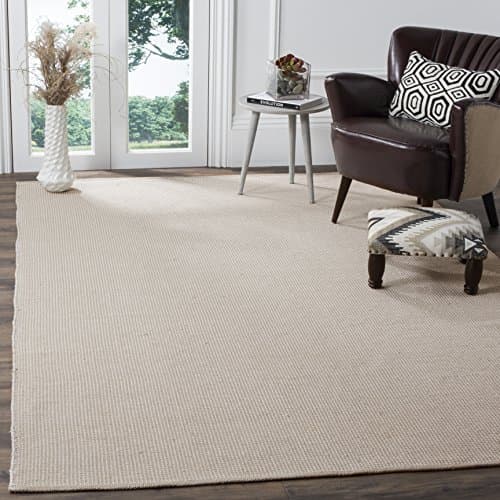 Safavieh Montauk Cotton Flatweave RugThe cotton rug most people picture when they go looking: handwoven, flat, soft-patterned, and thin enough to disappear under a door. The ikat and tie-dye patterning reads as faded textile rather than printed graphic, which is the whole reason cotton flatweaves get bought. It has no backing at all, so a pad is mandatory rather than advisable, and at anything past runner size a domestic washing machine is out of the question - at which point you own a rug that is laundrable in principle and professional-clean in practice. | The look, in a low-traffic room | Handwoven 100 percent cotton flatweave, no applied backing | $246.00View on Amazon #ad We earn a commission · Price as of October 19, 2026 |
| 2 | 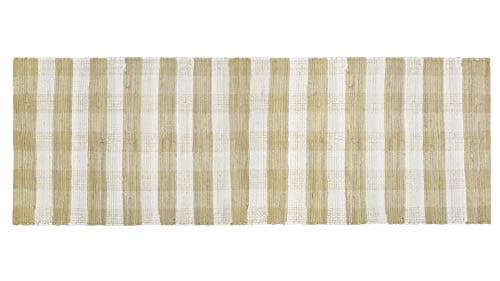 GLAMBURG Cotton Reversible Runner RugThe cotton rug most people should actually buy first, because it is the size where every promise about cotton still holds. A 2 by 6 runner fits a domestic drum, so washable means washable rather than theoretical, and it is fully reversible with no backing - two faces that both wear and both wash. The absence of backing is also the catch: without a pad it will travel across a hard floor within a week, and cotton absorbs, so it is the wrong runner for the strip in front of a sink. | A cotton runner you can really wash | Handwoven cotton flatweave, reversible, no backing | $21.86View on Amazon #ad We earn a commission · Price as of October 19, 2026 |
| 3 | 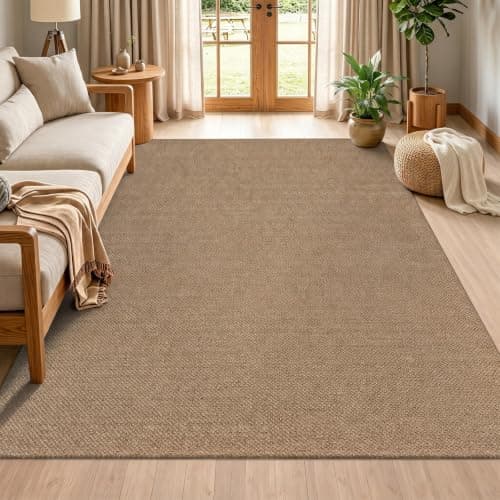 HEBE Cotton Woven Area RugThe compromise that makes cotton work at room size, and it is a compromise rather than a cotton rug. The weave is cotton blended with polyester on a bonded rubber back: the polyester is what survives repeated washing and the rubber back is what keeps it still without a pad. The braided texture hides crumbs and lint far better than a flat cotton weave does. If you came here wanting 100% cotton, this is not it, and the listing is clear about the blend - which is the honest reason it earns a place rather than a deduction. | Cotton's look at 5x7 and up | Braided cotton-and-polyester weave on a bonded rubber back | $53.99$59.99View on Amazon #ad We earn a commission · Price as of October 19, 2026 |
| 4 | 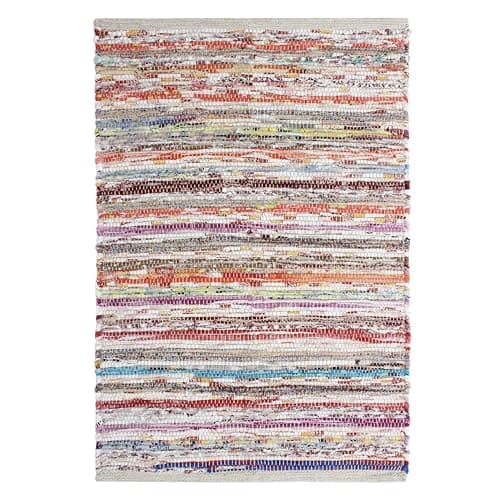 COTTON CRAFT Chindi Rag RugThe cheapest honest way to get real cotton onto a floor. It is woven from strips of recycled cotton fabric, listed by the maker as all-natural 100% cotton, fully reversible because there is no backing of any kind, and every piece comes out slightly different. Two constraints are non-negotiable: it only comes in accent sizes, so it is a doorway or a sink mat and never a living room rug, and the maker's own care line is spot clean or vacuum rather than machine wash. Recycled dyes can also transfer to what is underneath, which is why a liner is in the instructions. | Accent sizes, real cotton, low price | Handwoven recycled cotton chindi, fully reversible | $9.99View on Amazon #ad We earn a commission · Price as of October 19, 2026 |
| 5 | 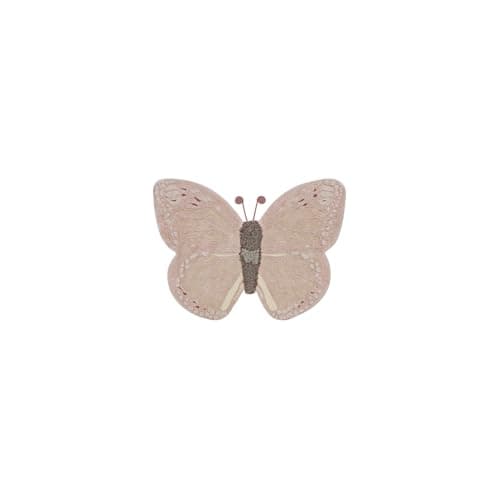 Lorena Canals Washable RugsThe top of the cotton market, and the one line where washable and natural fiber genuinely coexist. It is a single woven piece rather than a cover-and-pad system, it is softer underfoot than any two-piece washable, and the cotton lines wash in a home machine at the smaller sizes. It costs several times what everything else here costs, the larger sizes exceed a domestic drum, and cotton takes far longer to dry than polyester - plan on a day without a rug in that room. | Natural fiber without the compromise | One-piece woven cotton or certified wool | $199.00View on Amazon #ad We earn a commission · Price as of October 19, 2026 |
The short answer
Buy cotton at runner or accent size, where a home washing machine can actually take it, and buy a pad with it because most cotton rugs have no backing. At room size, cotton is a low-traffic bedroom or nursery fiber. In a hallway it will wear through within two years.
Cotton is the most misunderstood fiber in the rug aisle, because the thing people buy it for and the thing that disappoints them are the same property. Cotton is absorbent and soft, which is what makes it launderable and pleasant to sit on. Cotton is absorbent and soft, which is also why it stains readily and wears out under traffic. There is no cotton rug that escapes that trade; there are only sizes and rooms where it works.
What cotton does, and what it does not
The fiber has no natural resistance to anything. Wool has lanolin, which repels soil and buys you time on a spill. Polypropylene is hydrophobic and sheds water outright. Cotton has neither - a drop of anything is absorbed on contact and travels along the fiber. That is why a cotton rug near a sink or under a dining chair is a short-term purchase, and it is also why a cotton rug is the one you can put in a machine and genuinely reset.
The second property is softness, and the cost of softness is abrasion resistance. Cotton fibers are comparatively weak and they do not spring back from compression the way wool does, so a traffic lane forms in a cotton rug faster than in any other common fiber and does not lift out. In a bedroom, where traffic is two people walking the same six feet twice a day, that takes a decade. In a hallway it takes about two years. Cotton rugs is the full fiber guide if you want the property-by-property version.
The five things we judged these on
- Whether the rug fits your washing machine. This is the first filter, not the last. A cotton rug you cannot wash has given up its single real advantage over every other fiber.
- How much of it is actually cotton. Many rugs sold as cotton are blends, and the blend is usually what makes them survive washing. A blend is a legitimate product; a blend sold as pure cotton is not.
- Backing, or the absence of one. Most cotton rugs have no backing - which is what makes them reversible and launderable, and what makes a pad mandatory. A bonded rubber back trades both of those for grip.
- Reversibility. A rug with two usable faces lasts roughly twice as long and turns an unshiftable mark into a flip. Cotton flatweaves are one of the few constructions that offer it.
- Edge construction. A cotton rug fails at the border before it fails in the field, and a fringe is the most vulnerable edge of all. A bound or stitched edge is worth paying for.
We compared published fiber content, construction, backing, stated sizes and the maker's own care instructions across current listings. We do not launder rugs ourselves and claim no testing - how we choose sets out the method and its limits.
Safavieh Montauk Cotton Flatweave Rug
The look, in a low-traffic room
Product photo and price from Amazon, refreshed daily.
#ad We earn a commission · Price as of October 19, 2026
The cotton rug most people picture when they go looking: handwoven, flat, soft-patterned, and thin enough to disappear under a door. The ikat and tie-dye patterning reads as faded textile rather than printed graphic, which is the whole reason cotton flatweaves get bought. It has no backing at all, so a pad is mandatory rather than advisable, and at anything past runner size a domestic washing machine is out of the question - at which point you own a rug that is laundrable in principle and professional-clean in practice.
What it is
- 100 percent cotton, handwoven in India
- Flat weave with no backing applied - the maker recommends a separate rug pad
- Ikat and tie-dye patterns across area, square and runner sizes
What it does well
- Cotton is the one flatweave fiber a normal washing machine can handle at small and runner sizes
- No pile and no backing means it is genuinely thin - doors and dining chairs clear it
- Takes dye softly, so the patterns read as faded textile rather than printed graphic
Don't buy it if
- Cotton absorbs, so a spill soaks in instead of beading - the opposite of a synthetic flatweave
- No backing at all: without a pad it slides, and the maker says so on the listing
- Lighter colors show traffic lanes faster than wool or sisal in the same spot
The cotton flatweave to buy if you want a thin, soft-patterned rug you can actually launder at runner size.
GLAMBURG Cotton Reversible Runner Rug
A cotton runner you can really wash
Product photo and price from Amazon, refreshed daily.
#ad We earn a commission · Price as of October 19, 2026
The cotton rug most people should actually buy first, because it is the size where every promise about cotton still holds. A 2 by 6 runner fits a domestic drum, so washable means washable rather than theoretical, and it is fully reversible with no backing - two faces that both wear and both wash. The absence of backing is also the catch: without a pad it will travel across a hard floor within a week, and cotton absorbs, so it is the wrong runner for the strip in front of a sink.
What it is
- Handwoven cotton in a checked or plaid flatweave
- Fully reversible — the maker's own selling point is twice the wear
- Listed at 2 by 6 feet, the standard kitchen and hallway runner footprint
- Listing states vacuum, hand wash or machine wash
What it does well
- A cotton runner at runner size fits a domestic washing machine, which a cotton area rug does not
- Reversible with no backing at all, so both faces wear and both faces wash
- Thin enough to sit under a door and flat enough not to trip a foot in a hallway
Don't buy it if
- No backing means no grip. Without a pad it will travel across a hard floor within a week
- Cotton absorbs, so it is the wrong runner for the strip in front of a sink
- Handwoven cotton shrinks a little on its first hot wash — wash cold
The cotton rug most people should actually buy first: runner size, reversible, and small enough that washing it is a chore rather than a project.
HEBE Cotton Woven Area Rug
Cotton's look at 5x7 and up
Product photo and price from Amazon, refreshed daily.
#ad We earn a commission · Price as of October 19, 2026
The compromise that makes cotton work at room size, and it is a compromise rather than a cotton rug. The weave is cotton blended with polyester on a bonded rubber back: the polyester is what survives repeated washing and the rubber back is what keeps it still without a pad. The braided texture hides crumbs and lint far better than a flat cotton weave does. If you came here wanting 100% cotton, this is not it, and the listing is clear about the blend - which is the honest reason it earns a place rather than a deduction.
What it is
- Braided weave of cotton blended with polyester, not a 100% cotton rug
- Listing states gentle machine washing, quick drying and vacuuming
- Rubber backing bonded to the rug rather than a separate pad
- Roughly a quarter inch thick, so it clears most interior doors
What it does well
- One of the few cotton-blend rugs sold at full room sizes that the maker still calls machine washable
- The bonded rubber back means it needs no pad to stay put on a hard floor
- The braided texture hides crumbs and lint far better than a flat cotton weave does
Don't buy it if
- It is a blend. The polyester is what makes it survive washing, so a cotton purist should look elsewhere
- Bonded rubber backings stiffen with heat and age, and they rule out a hot dryer entirely
- Neutral colorways only — there is no real pattern range in this line
The practical answer when you want cotton's look at 5x7 or 6x9 and still want to be able to wash the thing.
COTTON CRAFT Chindi Rag Rug
Accent sizes, real cotton, low price
Product photo and price from Amazon, refreshed daily.
#ad We earn a commission · Price as of October 19, 2026
The cheapest honest way to get real cotton onto a floor. It is woven from strips of recycled cotton fabric, listed by the maker as all-natural 100% cotton, fully reversible because there is no backing of any kind, and every piece comes out slightly different. Two constraints are non-negotiable: it only comes in accent sizes, so it is a doorway or a sink mat and never a living room rug, and the maker's own care line is spot clean or vacuum rather than machine wash. Recycled dyes can also transfer to what is underneath, which is why a liner is in the instructions.
What it is
- Woven from strips of recycled cotton fabric — the maker lists it as all-natural 100% cotton
- Reversible, because there is no backing of any kind
- Sold in accent sizes; the common listing is 20 by 32 inches
- Maker's care line is spot clean or vacuum, with a liner recommended underneath
What it does well
- Genuinely 100% cotton at a price nothing else in the fiber comes close to
- Reversible, so a mark on one face is a flip rather than a replacement
- Every piece is woven from different fabric strips, so no two are the same
Don't buy it if
- Accent sizes only. This is a doorway or a sink mat, never a living room rug
- The maker says spot clean, not machine wash — treat any washing claim you read elsewhere with suspicion
- Recycled dyes can transfer to a floor or a carpet underneath, which is why the liner is in the instructions
The cheapest honest way to put real cotton on a floor, as long as you accept it is an accent rug and nothing larger.
Lorena Canals Washable Rugs
Natural fiber without the compromise
Product photo and price from Amazon, refreshed daily.
#ad We earn a commission · Price as of October 19, 2026
The top of the cotton market, and the one line where washable and natural fiber genuinely coexist. It is a single woven piece rather than a cover-and-pad system, it is softer underfoot than any two-piece washable, and the cotton lines wash in a home machine at the smaller sizes. It costs several times what everything else here costs, the larger sizes exceed a domestic drum, and cotton takes far longer to dry than polyester - plan on a day without a rug in that room.
What it is
- A single woven piece, not a cover-and-pad system
- Cotton and wool lines, with the wool certified to the Responsible Wool Standard
- Washable in a home machine at smaller sizes; larger sizes need a commercial drum
What it does well
- Natural fiber rather than printed polyester, which matters if you are buying for a nursery
- Softer underfoot than any two-piece washable system
- One piece means no cover to re-seat after a wash
Don't buy it if
- Costs several times what a printed polyester washable rug costs
- Larger sizes exceed a domestic washer's drum capacity — check yours before buying
- Natural fiber takes far longer to dry than polyester
The washable rug for people who did not want a polyester rug in the first place, at a price that reflects exactly that.
Size decides whether cotton works
| Size | Can you wash it at home? | What it is good for | Realistic life |
|---|---|---|---|
| Accent, up to about 2x3 | Yes, easily | Doorways, bedsides, a sink mat if you accept the staining | A few years, and cheap to replace |
| Runner, 2x6 to 2x8 | Yes, in most machines | Kitchens, hallways, laundry rooms | Two to five years depending on traffic |
| Room, 5x7 and up | Usually not | Bedrooms, nurseries, low-traffic living rooms | Five to ten years in a quiet room |
| Large, 8x10 and up | No - commercial drum or professional clean | Layering over a bigger natural-fiber rug | Depends entirely on the room |
That table is the whole argument for buying cotton small. The fiber's advantage is laundering, laundering is a function of size, and the advantage evaporates somewhere around 5x7 for most households. Above that line you are buying cotton for its appearance and softness and accepting the wear characteristics of a fiber that was never especially durable. Washable rug sizes covers where the machine-capacity lines actually fall.
Where cotton genuinely belongs
Bedrooms first. Traffic is low, nobody eats there, the rug is often partly under a bed, and softness underfoot on the one strip of floor you stand on barefoot every morning is worth more there than anywhere else in the house. The best rug material for a bedroom argues the case in full.
Nurseries and children's rooms second, for the same reason plus one: things get spilled on the floor of a child's room constantly, and being able to wash the rug rather than treat it is the difference between a rug that lasts and a rug that gets thrown away. The best playroom rugs covers the bigger, messier version of that room, where size usually forces a different fiber.
Then laundry rooms, bathrooms and the top of a bed-adjacent runner - any small, contained space where a rug gets dirty faster than it gets admired and where throwing it in the wash is the point. And finally layering: a cotton flatweave is the classic top layer over a larger jute or sisal rug, because it is thin enough to lie flat with no step at the edge. How to layer rugs covers the size ratio that makes that work.
Where it does not
Under a dining table, because food lands there and cotton absorbs food. Kitchens are the marginal case - a cotton runner in front of a counter is fine and launderable, a cotton rug in front of a sink will be permanently marked within a season. Rugs for a kitchen covers what to use instead at the wet end.
Entries and hallways, because that is where cotton's weak abrasion resistance meets the highest traffic in the house. A cotton flatweave in a hallway is the one genuinely bad purchase in this fiber: it will show a traffic lane in a year and be worn through in two, and no pad or rotation schedule prevents it. The best rug material for high traffic covers the fibers that do survive there.
And anywhere outdoors or damp. Cotton holds water, and held water in a natural fiber is mildew. A covered porch in a dry climate might survive it; nothing else will.
Cotton against the alternatives
| Against | Cotton wins on | Cotton loses on |
|---|---|---|
| Wool | Price, machine washing, summer-weight feel | Durability, soil resistance, resilience under furniture |
| Polyester and polypropylene | Natural fiber, texture, no synthetic sheen | Water resistance, stain behavior, abrasion |
| Jute and sisal | Softness underfoot, washability, no shedding | Hard-wearing texture and large-size value |
| Viscose | Everything - cotton is strictly the better buy | Nothing worth having |
The wool comparison is the one most people are actually making, and it is close enough that the room decides it rather than the fiber: cotton versus wool works through it room by room. The viscose row is not a joke - viscose is the one fiber cotton beats on every axis that matters in a rug, and viscose rugs explains why.
Washing a cotton rug without ruining it
Cold water, gentle cycle, mild detergent, and no tumble dryer. Heat is what shrinks cotton and distorts a woven rug's shape, and a hot dryer is also what destroys any non-slip coating on the back of one. Lay it flat to dry, and do not hang a wet cotton rug over a rail - the weight of the water pulls the weave out of square and it will never fully recover.
Expect a little shrinkage on the first wash and a little dye bleed on anything handwoven or recycled, which is why a first wash alone and cold is a reasonable precaution. How to clean a cotton rug covers the whole procedure including the rugs that are too big for a machine, and how to get creases out of a rug deals with the state most cotton rugs arrive in.
The pad is not optional
Most cotton rugs have no backing, which is exactly what makes them reversible and launderable - and it means the rug has nothing holding it to the floor. Without a pad a cotton flatweave creeps under ordinary foot traffic and its corners start to lift and curl, which is the single most common complaint about this category and entirely preventable. A grip pad stops the movement; a felt-and-rubber pad stops the movement and adds the cushioning a thin cotton rug does not have.
The exception is a rug with a bonded rubber back, which grips on its own and cannot be flipped. That is a real trade rather than an upgrade: you gain grip and lose reversibility, washing flexibility and the ability to put the rug through a hot wash. Non-slip rug pads covers the types, and rug pads for hardwood covers which backings are safe on a finished floor.
What we would buy
For most people, the cotton runner - it is the size where cotton's one real advantage survives contact with a domestic washing machine, it is reversible, and it is cheap enough that replacing it eventually is not a decision. For a bedroom or a quiet living room where the look is the point, the handwoven flatweave, with a pad and with no illusions about laundering it at 8x10. For a room-size rug you still want to wash, the cotton-polyester blend with its bonded back, understanding that the polyester is the reason it works. For a doorway or a sink, the recycled chindi, at a price that makes its accent-only sizing a non-issue. And if budget is not the constraint, the handmade cotton line at the top of the market. If you want the construction rather than the fiber, the best flatweave rugs crosses all four fibers, and the rug materials hub is the way into the rest.
Questions people actually ask
Are cotton rugs any good?
In the right room, yes. Cotton is soft, launderable at small sizes and genuinely pleasant underfoot, which makes it a good bedroom, nursery or accent rug. It absorbs everything and wears quickly under traffic, which makes it a poor hallway or dining room rug.
Can you put a cotton rug in the washing machine?
At accent and runner sizes, usually yes - cold water, gentle cycle, no tumble dryer. At room sizes the limit is your machine rather than the rug: a soaked 5x7 is heavy enough to stall a domestic drum and comes out creased.
Do cotton rugs shrink?
A little on the first wash, and more if you use heat. Wash cold and lay flat to dry. Never hang a wet cotton rug over a rail - the weight of the water pulls the weave out of square permanently.
Are cotton rugs durable?
Less so than wool, nylon or polypropylene. Cotton fibers are comparatively weak and do not recover from compression, so a traffic lane forms faster and does not lift out. In a low-traffic bedroom that takes years; in a hallway it takes about two.
Do cotton rugs need a rug pad?
Almost always, because most of them have no backing at all. Without a pad a cotton rug creeps across a hard floor and its corners curl. The exception is a rug with a bonded rubber back, which grips on its own but cannot be flipped or hot-washed.
Is a cotton rug good for a kitchen?
A cotton runner in front of a counter is fine and easy to launder. A cotton rug in front of a sink is not - the fiber absorbs on contact, and water marks and food stains set permanently in a season.
What is a chindi rug?
A rug handwoven from strips of recycled cotton fabric. It is genuinely 100% cotton, fully reversible because it has no backing, and very cheap, but it comes in accent sizes only and makers typically specify spot cleaning rather than machine washing.
Sources
- Amazon - Safavieh Montauk handmade cotton flat weave rug listing
- Amazon - GLAMBURG cotton reversible runner rug listing
- Amazon - HEBE cotton woven washable area rug listing
- Amazon - COTTON CRAFT handwoven chindi rag rug listing
- Safavieh - cotton rug collections, construction and care
- Lorena Canals - washable cotton rug care instructions
Read next
- Cotton RugsCotton's genuine washability and genuine fragility — and the rooms where that combination is exactly right.
- How to Clean a Cotton RugMachine wash cold on gentle if it fits, hand wash if it does not. How to avoid shrinkage and dye bleed, and why drying flat matters most.
- Cotton vs Wool RugsCotton washes and wears out in three to five years; wool lasts twenty and cannot be washed. The room-by-room answer and the cost per year.
- The Best Flatweave RugsFlatweave rugs across cotton, wool, sisal and polypropylene, judged on what each fiber does when there is no pile to hide behind.
- Non-Slip Rug PadsWhy rugs slide, which pad constructions genuinely hold, and the thin options for tight door clearances.
- Rug MaterialsWool, jute, sisal, polypropylene, cotton, viscose and the traditional weaves — compared on wear, feel, water and cost.